Dear friends,

Happy New Year 2022! Wherever you are, whoever you’re with, I hope you’re all well, healthy, and safe. As usual, on the last few days of the Previous Year and the first few days of the New Year, I will spend some time journaling. Not so much about creating a resolution of some sort, but more about taking the time to reflect and refocus—like doing warm-ups before going on a long hike.

Here are some journaling prompts I have been using this year to ease my way into 2022.

Feel free to go through each one and notice if some of them (or maybe all of them?) are calling out to you.

1. WHAT ARE SOME OF THE MOST MEMORABLE THINGS THAT HAPPENED TO ME LAST YEAR?

They are things that you want to keep, remember, and cherish, either because they remind you of the things you’re good at, how strong or blessed you are, or because they teach you a valuable lesson about life, or because they give you an experience that opens up your horizon and change your perspective. Do you see any resemblance between them?

2. WHAT WERE SOME OF THE MOST CHALLENGING THINGS FOR ME LAST YEAR?

Despite all those challenges, here you are. You are still here. Know that you can thrive at one thing and barely survive another, that you can be proud of something and be disappointed in something else, that you can feel grateful for some things and still feel sad or unfulfilled from time to time, that it’s okay to feel like things are hard or challenging or difficult while enjoying little bursts of joy.

3. WHAT ARE THE THINGS FROM LAST YEAR THAT I WANT TO DO MORE THIS YEAR? WHAT ARE SOME OF THE THINGS I AM CURIOUS ABOUT/ INTERESTED IN?

I love the message from the book Essential: Essays by The Minimalists, where they talk about cultivating a passion instead of finding/following a passion. I like to think of it as things that make our lives beautiful, fun, or enjoyable (however that looks to you)—the things we live for.

4. WHAT ARE THE THINGS I WANT TO DO LESS THIS YEAR? WHAT ARE SOME OF THE THINGS I WANT TO LET GO/STOP DOING?

I love the concept of ‘mentally/emotionally decluttering’ and ‘unlearning‘. We’ve absorbed so many things throughout our lives (information overload, over-stimulation, societal pressure) that might have weighed us down. Is it possible to declutter or unlearn these things?

5. WHICH ROLE I WOULD LOVE TO TAKE THIS YEAR, AND WHICH ROLE WOULD IN’T MIND TAKING?

When I was still working full time, we had a weekly team meeting where we asked each other what role would we choose in the office—if that role had nothing to do with our job titles, tasks, or functions.

Someone said, he’d be the clown, making people laugh with his jokes and funny impressions.
Someone else said, she’d be the decorator, making things look neat, pretty, and artistic.
Someone said, he’d be the problem solver.
Someone said, she’d be the cheerleader.
Someone said, he’d be the dreamer.
Someone said, she’d be the devil’s advocate.

What role would you be happy to play in life?
What role would you choose for yourself at work, at home, at school, among friends, that had nothing to do with your assigned function, expectations, duties, or assumed responsibilities?
What role would you not mind filling?

When you’re thinking that you have no idea about your passion or not knowing your life purpose yet, maybe you can focus on the role you’d love (or wouldn’t mind playing).

How can you play this role more often wherever you are, whatever you do, whomever you’re with?

6. WHO ARE THE PEOPLE THAT HELPED ME MAKE LAST YEAR FUN, ENJOYABLE, MEMORABLE, OR BEARABLE?

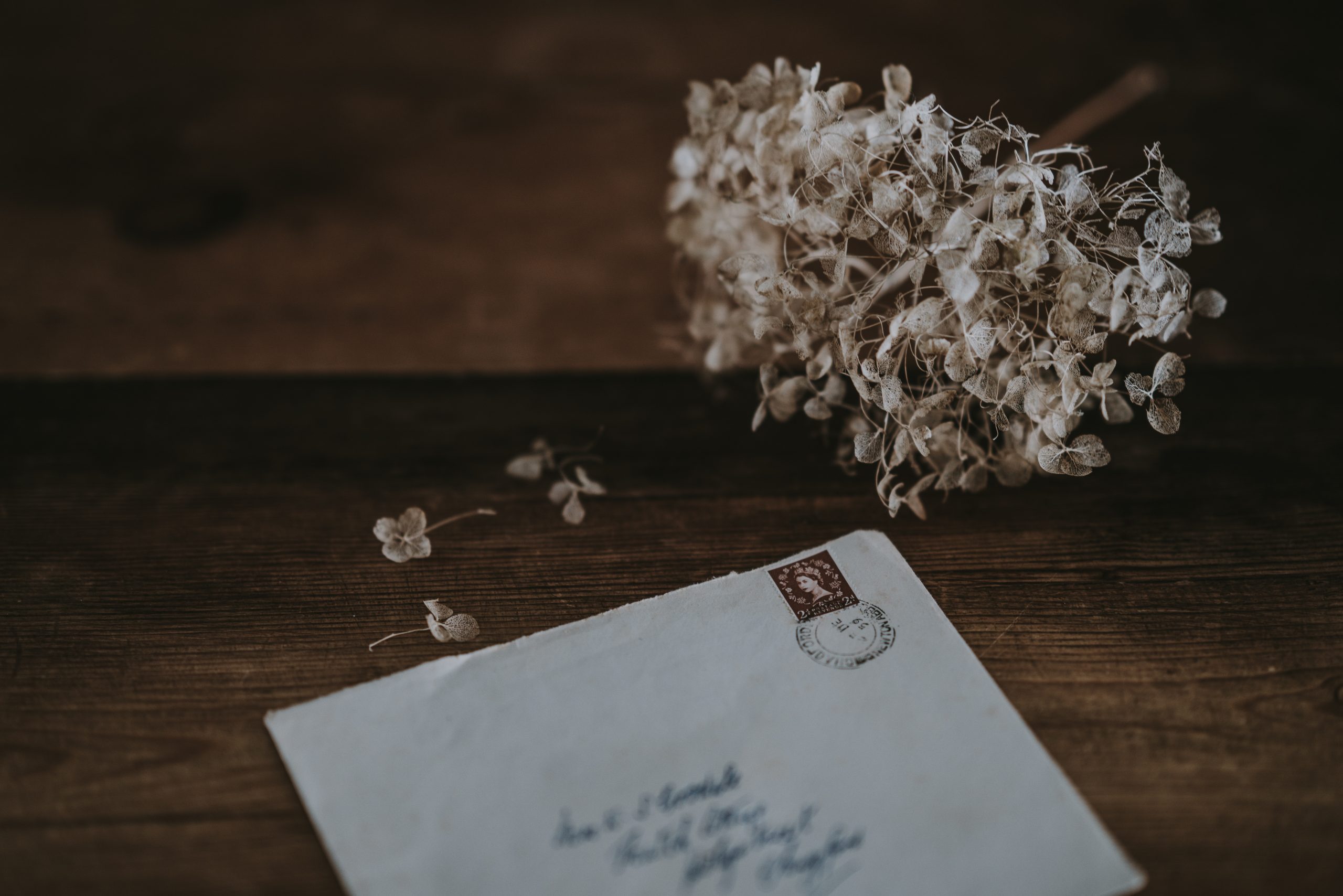
Write their names, what they did, and what it meant to you: how the things they do have impacted you. Write them a message, call them, text them, write an open letter, or send them a postcard telling them about what you have written, about what they mean to you. They can be people you know, someone from work, a client, a good friend, a stranger, or someone on the Internet. Reach out. Build bridges.

7. FROM A GENTLE HEART, WHAT ADVICE WOULD I GIVE MY FUTURE SELF TO FACE 2022?

Take a deep breath and imagine all the things you’ve experienced in life that have brought you here, at this point in your life. See your future self in 2022 with love, kindness, and affection—the way you see a good friend or a loved one. Write a letter/a piece of advice to them, write whatever comes to mind for 10-15 minutes, and write as fast as possible, without stopping, without editing. See what comes up.

with much love,

hanny
WANT TO SHARE WITH SOMEONE WHO NEED THIS?

Several instances (and incidents) in my life have forced me to embrace ‘minimalism.’

When I was little, and my mother and I were still living with my mother’s parents, late at night, in bed, my mother would whisper about her dreams of leaving this house, her parents, our whole family.

“What if we could move somewhere else and start a new life where nobody knows us?” she asked. “We’ll rent a small house. But because the house is tiny, we may only have a kitchen, a bathroom, a table, and a bed. You see, we can’t take everything we have to the new house. If you want to come with me, you can only pack things that you can fit into your school bag. Okay? Think carefully about what you are going to carry with you.”

As a child of eight or nine years old, it sounded like an adventure.

In my mind, all day long, I packed and unpacked my school bag with all the things I would want to carry with me (mostly my favorite novels, pens, and some stationery items). Around the house, I noticed more and more things I wouldn’t mind leaving behind. Every day, I was preparing myself for the night when my mother would tell me that this was the night when we were going to start a new life.

I have rehearsed the ‘fitting-your-life-into-a-backpack’ scenario my whole life.

Around twenty years later, when my mother passed away while I was abroad, I came home two days later realizing that sorting out ‘sentimental things’ that once belonged to hers wasn’t exactly a problem. Upon hearing about my mother’s death, some of my aunts came over almost immediately and took away most of my mother’s belongings they deemed valuable.

My father managed to save a set of jewelry he gave my mother on their wedding day, a gold ring, and my mother’s recipe books that he handed to me. That was when I realized that I didn’t need a lot of things to remember a loved one.

During a 6-month trip to the remotest places in Indonesia on a work assignment, when I had to be constantly on the road and moving from airplanes to cars to motorbikes to boats, I somehow lost my external hard disk. It contained everything I had backed up for the last five years, from past works and portfolios to travel photos and unfinished novels. I learned to let go and move on.

When there was water leakage in my family house (that we didn’t know until it was too late), around 70% of everything I stored in my wardrobe had been ruined by fungus and moths. A few months went by, and I realized that I didn’t need to replace most of them.

When I got married and needed to divide my time between my family house in Bogor, our house in Amsterdam, our second base in Ubud, and my husband’s hometown in Albiate, I got better at fitting all my life into a suitcase: a combination of stuff that would still allow me to work and have fun doing what I love for the next three or four months, from wherever I am.

These instances (and incidents) taught me that things do perish. They can get lost, ruined, or stolen. I know that I can survive and live a good life without the things I have lost or the things I never have. I have learned not to attach too much value to the things I own (or even the people in my life). I don’t open my heart (or purse) to things or people without first reminding myself that I may lose them at any point in my life.

***

I don’t like calling myself a minimalist (partly because I don’t feel like one, yet, and partly because of what most people may assume when they hear the word), but I’d like to say that I am embracing minimalism and being more mindful with my consumption.

In their blog, ‘The Minimalists’ Joshua Fields Millburn and Ryan Nicodemus explained their view on minimalism:

At first glance, people might think the point of minimalism is only to get rid of material possessions: Eliminating. Jettisoning. Extracting. Detaching. Decluttering. Paring down. Letting go. But that’s a mistake. True, removing the excess is an important part of the recipe—but it’s just one ingredient. If we’re concerned solely with the stuff, we’re missing the larger point. Minimalists don’t focus on having less, less, less. We focus on making room for more: more time, more peace, more creativity, more experiences, more contribution, more contentment, more freedom. Clearing the clutter frees up the space. Minimalism is the thing that gets us past the things so we can make room for life’s important things—which aren’t things at all.

***

This month, Mirha invited me to join in as a guest at The Knitting Club—where we talked about the book Essential: Essays by The Minimalists. I wrote down some of my takeouts and thoughts below:

1. KNOW OUR WHY

It is essential to know why we’d like to be minimalists or to embrace minimalism. Is it because we feel suffocated living in a house that is so full of things? Is it because we spend so much money buying things we do not need? Is it because we want to save more money? Is it because we realize that we have five scissors in the house?

I think, first and foremost, we need to be clear about what doesn’t feel right in our lives:

  • What feels excessive and unnecessary?
  • What feels like a burden (physically, emotionally, financially)?
  • What are some of the problems I am facing?

Then, ask ourselves if minimalism can be the answer—or part of the answer—and how. Because minimalism is not a magic pill. It may not be the answer to our problems, and that is okay, too. We just need to know what we need at a particular time and honor that.

In that case, before even decluttering our wardrobe or throwing away stuff, always ask ourselves several times: why am I doing this? How will it help me to do more of the things I want to do and be more of the person I want to be?

2. IT’S A PERSONAL JOURNEY

Some people may feel happy, content, and productive by being a maximalist, so who are we to tell them otherwise?

Minimalism is a personal journey, and it can look different for everyone. It’s not about comparing how little we spend, how empty is our wardrobe, and how small is our house. If minimalism solves some of our problems and can help us to live a better life, that’s great. But if someone we know is a maximalist, or doesn’t feel like minimalism can be beneficial for them, let’s also honor that.

Embracing minimalism doesn’t make us better or less than. It’s our personal journey and our personal choice. If people are attracted to how we live and would like to seek some advice or perspective, that’s great. If they don’t, that’s okay, too.

3. ON MINDFUL CONSUMPTION

I believe that it’s not about not consuming at all, but more about consuming with purpose (why do I want/need this), purchasing pre-loved items instead of new ones when possible, or even consuming without regret and with so much gratefulness (I am so happy with this purchase, it’s something I will cherish all my life!).

On another note, although we may feel like we have stopped buying things compulsively, or don’t go on a shopping spree during Black Friday, I think we also need to check if we are consuming less material things to consume more immaterial things (which is something I am still struggling with). Basically, it’s like replacing one addiction with another.

Here’s a question for reflection: What am I still consuming excessively and why?

For instance, I am still consuming a lot of entertainment (movies, social media, books) and education (online courses, workshops, talks, self-help books). Although it can seem harmless (what’s wrong with educating yourself?), I realized that this obsessive tendency to keep on learning and deepening my knowledge on certain topics has to do with my self-esteem. I feel like I am not good enough or I don’t know enough, so I need to learn more before I can do, create, or share anything.

So, even though we have gotten rid of the material things and bought fewer things, we may still ‘hoard’ other things: memories, feelings, skills, knowledge, money, sermons, unrealized plans… as we discussed earlier, well, it’s a journey. A long journey. For me, this month, I start asking myself how much time I spent consuming and how much time I spent creating/sharing—just to see if I can be more mindful with that.

4. THE IMPORTANCE OF UNLEARNING

Which brought me to the next important takeout: unlearning.

Most of us associate learning with self-development, self-improvement, or even life/career progression. We feel like the path of learning is the right path to take on whenever we feel stuck in life. Probably it’s because we’re so used to it. Most of the time, we are judged or evaluated based on what we’ve learned.

As children, we are praised when we learn something new, or master a new skill.

As adults, in a professional setting, we are encouraged to keep learning and improve our knowledge. During our performance evaluation, for instance, our supervisor may ask something like, “What have you learned this year? What have you learned in this role or on this particular project? Have you learned something new about our industry?”

Sure, learning does hold such an important role in our self-development, self-improvement, or life/career progression. However, what if it is not the only path to get there? What if the path of unlearning is underrated? What are things we have been taught and internalized that actually work against us, or no longer serve us? 

That habit of procrastinating.
That perfectionism.
That belief that we’re not good enough.
That saying that money is the root of all evil.
That tendency to judge people, to assume the worst, to be so hard on ourselves.
That conditioning of attaching our self-worth with our career or financial status.

What are the things we need to unlearn to live a better life and become a better person?

5. FINDING THE SWEET SPOT

Initially, we may want to embrace minimalism because we believe that it will make our lives better; that it will make us a better person. I think that is why it’s essential to ask ourselves THE WHY before embracing the journey. 

Why do I want to do this and how will it make my life better? How may it improve my relationship with friends and families? How can it allow me to live a more meaningful life?

The answer, I think, can serve as a compass to help us navigate our minimalism journey and find the sweet spot when we interact with other people in our lives who may have different beliefs or perspectives.

For instance, at this time of the year, with Christmas and New Year approaching, we’re entering the season of gift-giving. It has become such a cherished tradition in most families that it may cause a dramatic stir when we said we don’t want to give or receive gifts due to being minimalists.

I think in such a case, it’s important to find the sweet spot by asking ourselves, “Is this battle worth fighting? Will winning this battle make my life better, happier, and more meaningful? Will winning this battle improve my relationship with the people around me? Is there another option here?”

When our friends or families insist and it feels too harsh to stop gift-giving altogether, we can tell them the things we would appreciate receiving (“Can you donate to this cause under my name?”) and we can also ask them the things they would love to receive in return. We can ask them to create a wish list—to make sure that we are gifting them the things they have always wanted. We can gift an experience we know they’d enjoy—like an hour at the spa, or a half-day wine tasting. We can also bring them some food they have always wanted to try, or a bottle of wine if they love a good one.

During those instances when someone happens to gift me things I don’t need or like, I remind myself that this gift comes with love and good intention—so I thank both the person and the intention, knowing that I can always donate or offer it to people who may want, need, or like it.

***

Here are a few journaling prompts if you’re considering embracing minimalism:

  1. Which part of minimalism looks interesting/attractive to me?
  2. Why do I want to embrace minimalism?
  3. How do I think it will help solve my problems or help me live a better, more meaningful life?
  4. What feels excessive in my life at the moment?
  5. What are some of the things in my possessions that I feel so strongly attached to? Why? What does it represent? What if I lose those things one day?
  6. What are some of the material things I want to have? (you can create a list of things)
  7. How would I feel if I have those things right now?
  8. How would my life be better or more meaningful by having those things? Which problems will those things solve?
  9. How would my daily life look like if I already have those things? What would I do throughout my day?
  10. Can I actually do some of those things right now even without having/possessing those material things?
  11. What are three of the most beautiful memories or meaningful experiences in my life? Why are these moments beautiful or meaningful to me?
  12. What do I want to do less, feel less, hear less, see less, talk about less?
  13. What do I want to do more, feel more, hear more, see more, talk about more?
  14. What are the three adjectives I would choose to describe my ideal life, a life I aspire to live/experience?
  15. If I need to pack my life into a suitcase and I have to live out of that suitcase for one year, what will I carry with me?
 
What’s your take on minimalism? Are you embracing minimalism in your life? What are some of the challenges you’ve been facing? Do you have some lessons about embracing minimalism that you can share?
hanny
WANT TO SHARE WITH SOMEONE WHO NEED THIS?

I get this question a lot, in varying degrees. 

Sometimes, it can also come up as:

  • How can I develop journaling as a habit?
  • How can I journal every day?
  • How can I find the time to journal?

To answer these questions, I believe it’s essential for us to know these three things:

1. DEFINING OUR EXPECTATIONS

What do we expect from developing a journaling habit? What kind of changes or improvements would we like to see once we are journaling consistently? How would our journaling practice help or benefit us?

Answering these questions will help us to understand what we need from our journaling practice. 

For example, do we expect journaling to allow us to be more creative? To keep memories or life lessons? To resolve issues? To express or process emotions? To organize our thoughts? 

Knowing what we would like to experience from our journaling practice—and the benefit we may get from it—will help us find the time and motivation to do our journaling practice. 

We will want to be consistent with our journaling practice if we know that it will be rewarding—whatever that ‘reward’ may look or feel like.

2. MAKING IT FEEL GOOD

My favorite yoga teacher, Adriene Mishler, always encourages her students/viewers to find ‘what feels good’ while doing their yoga practice. 

The same goes for journaling. 

Journaling can feel hard when we’re comparing our journaling process, our frequency of journaling, or our journal, with others.

Because someone writes three journal pages every morning, we think we need to do that, too. 

Because someone posts aesthetic journal pages decorated with washi tapes and collages, we think our journal pages also need to look like that. 

Because someone is adopting the bullet journal technique, we think we need to start doing that, too.

To be consistent with our journaling habits, we need to focus on our own expectations and find what feels good—for us. 

Thus, ask ourselves:

  • What feels kind, enjoyable and comforting? 
  • What makes journaling feels light and breezy?
  • What works?

When journaling feels heavy, takes too much time, or gives us too much hassle, it is no wonder if we find it challenging to be consistent with our practice.

3. JOURNALING WITH KINDNESS

With everything that is going on in our lives at the moment, how much time can we spare for our journaling practice—that wouldn’t feel like a burden?

One minute per day will do. Three minutes per week will do. Thirty minutes per month will do. Writing in our journal every morning is great. Writing every other day is great. Writing every other week is also great. 

Treat our journal as a kind and friendly companion. Know that our journal is patient and non-judgemental. 

If we break our journaling habit or have a falling-out for a month or two, it’s okay. We can always get back to it: we can always pick up our journal and our favorite pen, and we can always start again where we left off.

Release the guilt from not being able to show up for our journaling practice. 

Instead, celebrate every time we sit down on our desk, on a train, in the waiting room, at a cafe, on a park bench—simply writing our heart out.

***

Why do you journal or keep a journaling practice?

How does your practice look like?

What works for you?

hanny
WANT TO SHARE WITH SOMEONE WHO NEED THIS?

I was thinking about quitting Instagram at the end of July, but I haven’t. However, I did take a break from it in August (only spending a few minutes a week posting Stories and liking some posts/updates from the people I follow), and apparently, it gave me enough time to read.

If you’re curious about the books I read during my Instagram break:

  1. The Vanishing Half by Britt Bennett
  2. The House in the Cerulean Sea by T.J. Klune
  3. The Secret Life of Church Ladies by Deesha Philyaw
  4. Elevation by Stephen King
  5. Imaginary Friends by Stephen Chbosky
  6. Death in Her Hands by Ottessa Moshfegh
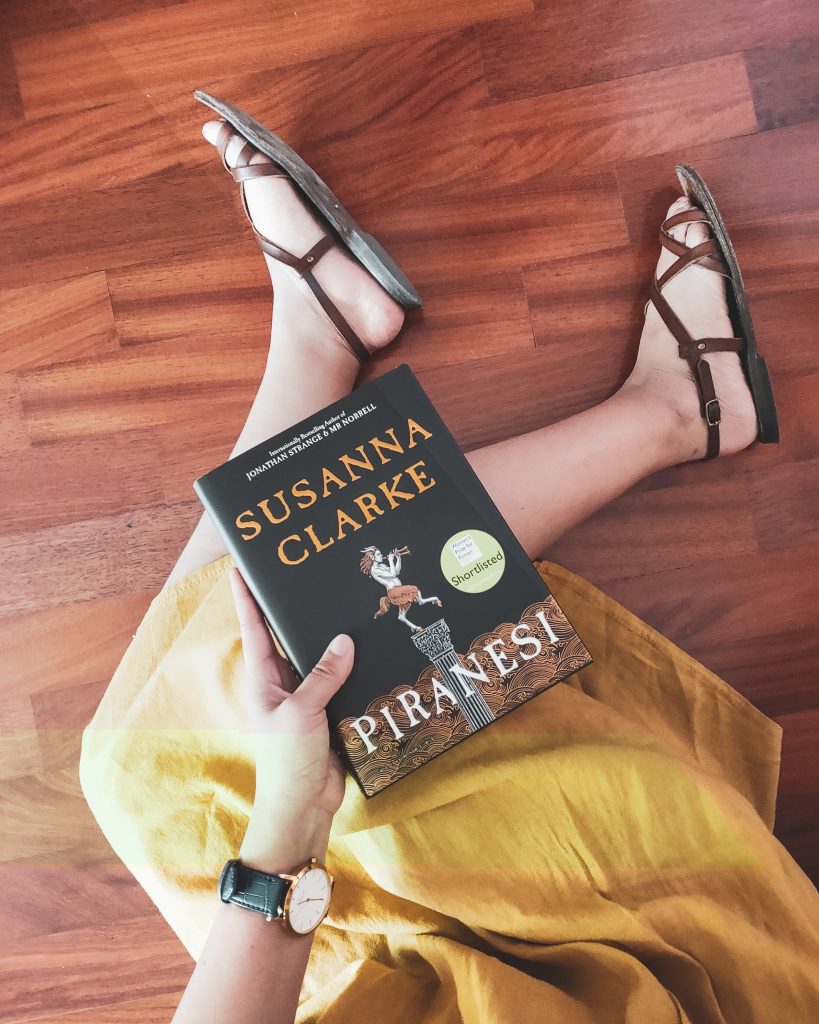
  7. Piranesi by Susanna Clarke
  8. People from My Neighbourhood by Hiromi Kawakami
  9. The Member of the Wedding by Carson McCullers (I love her writing!)


I found it impressive (and rewarding!) to have so much time to read when I am not thinking about what to post next on Instagram and trying to fit ‘sharing content’ on my schedule. This might be one of the reasons why I didn’t enjoy the platform that much: that constant pressure from the algorithm to churn more and more content was tiring.

A recent post from my dear Clara Devi, however, made me rethink that sentiment.

About haven’t been updating her blog for quite some time, she wrote:

"Here's a verdict: nobody expected me to be perfect, apparently (where have I been?). Nobody thinks of giving me pressure (except myself), and zero question is being thrown regarding why I let my blog stay aloof in the passing eight months (now nine). People are just super kind and supportive and chill. It IS the privilege that I should be thankful for."

She is right. It isn’t about the changing algorithm.

It is more about the pressure I give myself to let the algorithm dictate my relationship with Instagram, with the platform.

It’s something I don’t care too much about when it comes to my blog: I see this blog as my own private space, where I can write about whatever I want without worrying about SEO or page rankings. I feel like I can always type something—anything, so spontaneously and I can take a break or go on a hiatus whenever I feel the need to.

I am happy enough to keep this blog as a cabinet of curiosities where I document my life, a place where I’ll keep on writing and posting entries even when there’s nobody here commenting, liking, or reading it.

And I realized that I want to have this kind of relationship with Instagram or whatever platforms I want to experiment with in the future.

***

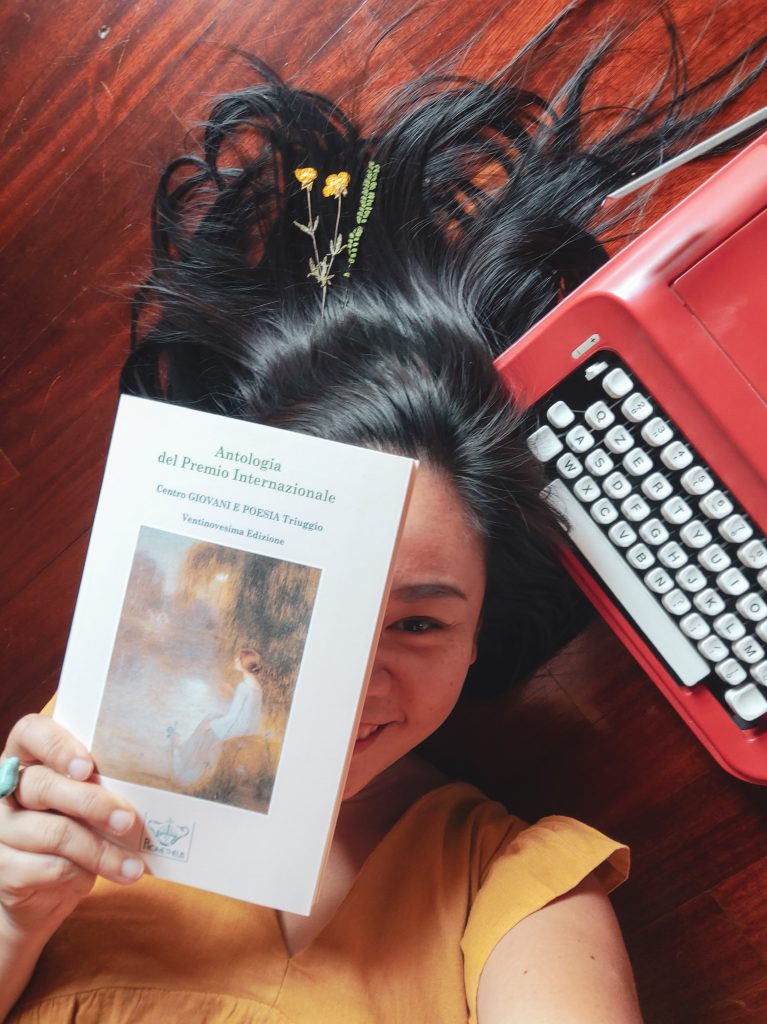
So, I’ve been reading a lot during my break, and I’ve been writing a lot as well—revisiting my writing practice—and strengthen my muscle to work on a longer narrative piece. And, oh, a piece of news to share: the poem I wrote last year was published in an Italian poetry journal, the 29th edition of Antologia del Premio Internazionale, Centro Giovani e Poesia Triuggio (Prometheus, 2020).

The poem was originally written in English and titled ‘Language School for Strangers’ (the title of the translated poem is All’inizio—’at the beginning’).

Here’s the English version for you to read:

LANGUAGE SCHOOL FOR STRANGERS

At first,

the racket of separation;

of a life packed across the ocean;

of dreams set into an unexpected motion.

[ porto. documento. punto di controllo. ]

A week,
the silence of cardboard boxes piled on top of one another,
the barely-there hum of a second-hand refrigerator;
the not-so-temporary matter.

[ farmacia. stazione di polizia. scuola. ]

A month,
the resonance of a faraway life;
of roots severed with a knife;
of letters and comfort blankets that never arrived.

[ sono. sei. siamo. ]

Three months,
the rhythm of fears and many failed starts;

of worries and not fitting in for the most parts;

of slurs that lurks and, at times, barks.
[ dove. perché. come. ]

Six months,

the distant whirl of a shy hello;
the shriek of coming in contact with snow;

the way the winter sun casts a neighbor’s house in a soft shadow.

[ fare. avere. stare. ]

A year,
the way Hellen Keller first spelled W-A-T-E-R;
the explosion of meanings, letter upon letter upon letter;
you sew the words, and the sentence rolls with laughter.

[ ascoltare. mangiare. amare. ]

***

I’ve been back to Instagram these days, posting more snippets from the behind-the-scene of my life, spontaneously. I may go on another break or hiatus some of these days, then I may pop back up. A friend of mine told me that I am somewhat ‘elusive’, and maybe she was right. Some weeks I may be around, and some other weeks I may be retreating into my woman’s cave, preparing things to share into the world slowly, gently, without the rush.

Clara is right.

I have the privilege of not having to treat my blog or my social media platforms as a work thing, and I am thankful for that. I just need to remind myself from time to time that it is okay to carve a space and a schedule of my own. That sharing is not supposed to be a burden or a responsibility.

It’s supposed to be fun and exciting; like that feeling when you’re about to reunite with an old friend after some time, full to the brim with the enthusiasm of spilling the stories, giddy to listen to what they’ve been up to.

I need to remember that feeling.

And I hope you’ll be that friend 🙂

hanny
WANT TO SHARE WITH SOMEONE WHO NEED THIS?

*) This post contains a sponsored link that will help me grow this blog and post more often. The rest of the content is made with love by yours truly, as always 🙂

Naturally, I don’t like workouts.

Maybe because there’s the word ‘work’ in it—that makes it feel like another thing I need to tick off from my to-do list; a chore; a responsibility. However, I enjoy movement, and I feel the need to move my body every single day. To me, it’s about ‘celebrating what my body can do’ (I read this somewhere, and it really encapsulates how I feel).

There are some weeks when I am diligently roll out my yoga mat late in the afternoon or following some strength training and boxing workouts on YouTube. There are some weekends when I go into the natural parks and have a 12-kilometre hike. But there are also many days when I just feel too tired, too heavy, or too sad to do such things.

However, I am trying to make movement a part of my daily life, and one way to do so is by incorporating mindfulness practice into it.

Let’s call it mindful movement.

Listening to my body

I know when I need to move because my body tells me so. When I wake up in the morning with a stiff shoulder. When I go about my days feeling lethargic. When I have spent 2 hours in front of the computer.

I think our body communicates with us every time. The urge to stretch your arms or legs after a long working day, for instance. I realised that if I listen to my body more, and do check-ins from time to time throughout the day, I can hear when it needs me to move. It could be to just stand up and do a stretch, to walk around the house picking up dirty laundry or to do some quick jumps in place to increase my heart rate. 

Finding what feels good

When I feel angry or agitated that I wish I could punch something, I will do some boxing exercises and channel my emotions through a 15-minute session of kicking and punching the air. When I feel solemn or cosy, I will go for a qi gong practice. When I feel good and energized, I’ll go for strength training. When I feel tired, I will go for a comforting and calming yin yoga session. When I feel like my head is full, I will go for a walk in the park or go swimming. When I feel sad and blue, I will put my wireless headphone on, turn on some of my favourite dance music, and do a silent disco in my room.

I find it important to find the right movement that corresponds to how I feel, my state of being, and my energy level.

When nothing feels good, I check if I am lacking nutrients. I take supplements sometimes, like B-12 vitamins and magnesium. When needed, you can check how you feel and shop for supplements to fulfil the nutrients you’re lacking.

Doing it my way

I know I’m not the kind of person who would commit to one type of exercise for a long time. I like to change things up a bit. I like to experiment. I know I like to exercise mostly alone or with the people I feel close to. I don’t find it comfortable to exercise surrounded by strangers. I don’t like it when someone shouts at me to ‘lift up my spirit’. I don’t enjoy competitiveness. I don’t like gyms with loud thumping and pumping music.

Knowing what I like or don’t like enables me to find the movement and exercise that works for me. I don’t need to be stressed out by doing exercises I don’t like in an environment that stresses me out.

Being aware of the present

I like to do my mindful movement in silence, without talking to anyone or watching something on Netflix. When I am walking outside, it’s nice to just walk and feel the ground beneath my feet, noticing the plants and wildflowers along the way, the smell of decaying woods, the chirping of the birds. When I am dancing, I just dance, feeling the beat of the music and move accordingly. When I swim, I just swim back and forth, feeling the way my body moves, that magical buoyance, the way the sunlight makes the lapping water sparkle, the faint smell of chlorine…

To me, it’s about being present with my body, with my movement, and my surroundings, to the point that I don’t really know what I’m doing anymore, I don’t think, I don’t command my body to do something… my body just moves, and my mind is still. Maybe it happens for only 2-3 minutes during the exercise—but that is enough time to feel the ‘euphoria’ of what I guess people often referred to as a “runner’s high”: when my mind is completely still and I feel like I am not moving, but I am the movement itself.

How about you? What’s your version of mindful movement?

hanny
WANT TO SHARE WITH SOMEONE WHO NEED THIS?

I recently have this fear: I would not have enough time to read all the books I want to read.

Every time I glance at the pile of to-be-read books on my shelf, I feel overwhelmed. Soon, there will be new books: new releases praised by BookTubers or shortlisted by Vulture or Esquire, new translations recommended by indie booksellers like POST or published by Marjin Kiri or Penerbit Haru.

How can I keep up?

And still, every time I go out, I browse the little free libraries around the city (most often the one at the corner, across the canal), hunting for surprises. Amsterdam had gifted me some excellent titles these past few months: Judy Blume’s In The Unlikely Event, Kazuo Ishiguro’s The Unconsoled, Brady Udall’s The Miracle Life of Edgar Mint (which gave me Sherman Alexie’s vibe), and Jane Austen’s Mansfield Park among others.

From time to time, I visit Scheltema’s web-listing of second-hand books (despite struggling with their website’s not-so-friendly UI/UX), trying to find out if someone has sold some of the books on my wish list.

I am still finding myself coming home to tiny bookshops or climbing the stairs of 5-storey bookstores when I have no idea where else to go. The sight of those shelves comforts me. The words hidden inside rows and rows of closed books promise me another story, another world, another reality.

When I was little, I lived vicariously through the books I read, mostly Enid Blyton’s and Hitchcock’s. When I read a novel, I was a student in a British boarding school; I had a summer picnic and stumbled upon mysteries to solve; I played lacrosse; I had new neighbours with tree houses; I was a girl with five siblings.

I could be anyone I wasn’t.
I could be anyone I’d like to be.

Over ten years ago, a friend of mine said that he wrote like crazy because he was afraid that one day, he couldn’t write anymore. At the moment, I couldn’t understand the sentiment, but as I grow older, I realized that I feel this way when it comes to reading.

The clock is ticking. I only have so much time, while there are still so many books I want to read. I can feel myself getting anxious when I think of how, for sure, I won’t be able to catch up.

I have a book-FOMO.
And I guess I’ll just have to live with it.

hanny
WANT TO SHARE WITH SOMEONE WHO NEED THIS?

In Indonesia, kopi hitam (black coffee) is made by pouring boiling water over coffee grounds (and, if you like, sugar). Stir as you need, then leave it for a while, not only to let it cool down a bit—but, most importantly, to let the coffee grounds fall to the bottom of the glass and settle there (yes, it is served in a glass, not a cup). 

Lately, to me, social media feels like watching someone stirring a glass of black coffee. 

It’s hot and loud and chaotic. 

The ridiculous amount of things trying to catch my attention reminds me of drinking a glass of black coffee immediately after stirring it: it burns my tongue, and the floating coffee grounds that entered my mouth makes me cringe and cough. 

For this reason, I have been thinking of leaving social media for a while. I started by deleting Twitter, then Tumblr, then I deactivated Facebook. I feel good about it. I don’t feel like I’m missing out on anything. I think that Instagram will be next, as I am not too keen on the direction they’re going. 

So here I am, waiting for the coffee grounds of social media to settle at the bottom—and once everything is calm, quiet, and unruffled, I am back to my blog. 

I realized that I keep (wanting to) coming back to this blog: a place where I feel like conversing with a close-knitted circle of people who share similar sentiments about life, instead of talking to a bunch of strangers who are in a hurry to board a bus. 

My blog feels like a home where I can invite my closest people to come over, while social media feels like a big party I am invited to. (You know how I, an introvert, feel about going to parties). 

Yes, big parties allow me to meet plenty of people, which can be fun for a while. However, I realized how I crave more for a one-on-one connection and a slow(er) conversation after some time.

Instagram starts to feel like that big party to me, where people only see you for a minute, exchange a few words, and move on to the next topic or say hello to the next person. We scroll so fast (Well, I scroll so fast). 

Faces, messages, and interactions are soon forgotten and buried away, the way our Google Photos becomes a photo graveyard. 

Recently, I read illustrator Rebecca Green’s blog post about her intermission from Instagram and watched Julia Bausenhardt’s video, ‘One Year After I Quit Social Media‘. I feel like they are talking to me. Alexandra Franzen wrote ‘21 Ways to Find Clients and Customers without Using Social Media‘. I nodded to most of her points.

My steps of quitting social media apps are gradual. 

First, I post less. 
Then, I stop posting but still reading, liking, or interacting. 
Then, I stop checking the app altogether.
Then, I deleted the app from my phone. 
Finally, I deleted my account. 
With Instagram, I’m still on my first step—but it feels like I have lifted a weight off of my shoulder. 

Now I see a vast difference between ‘I need to share, so I need to create something‘ and ‘I want to create something, and if I want to, I can share it.’ The latter allows me to slow down. It gives me the time and space I need to focus on what I want to create.

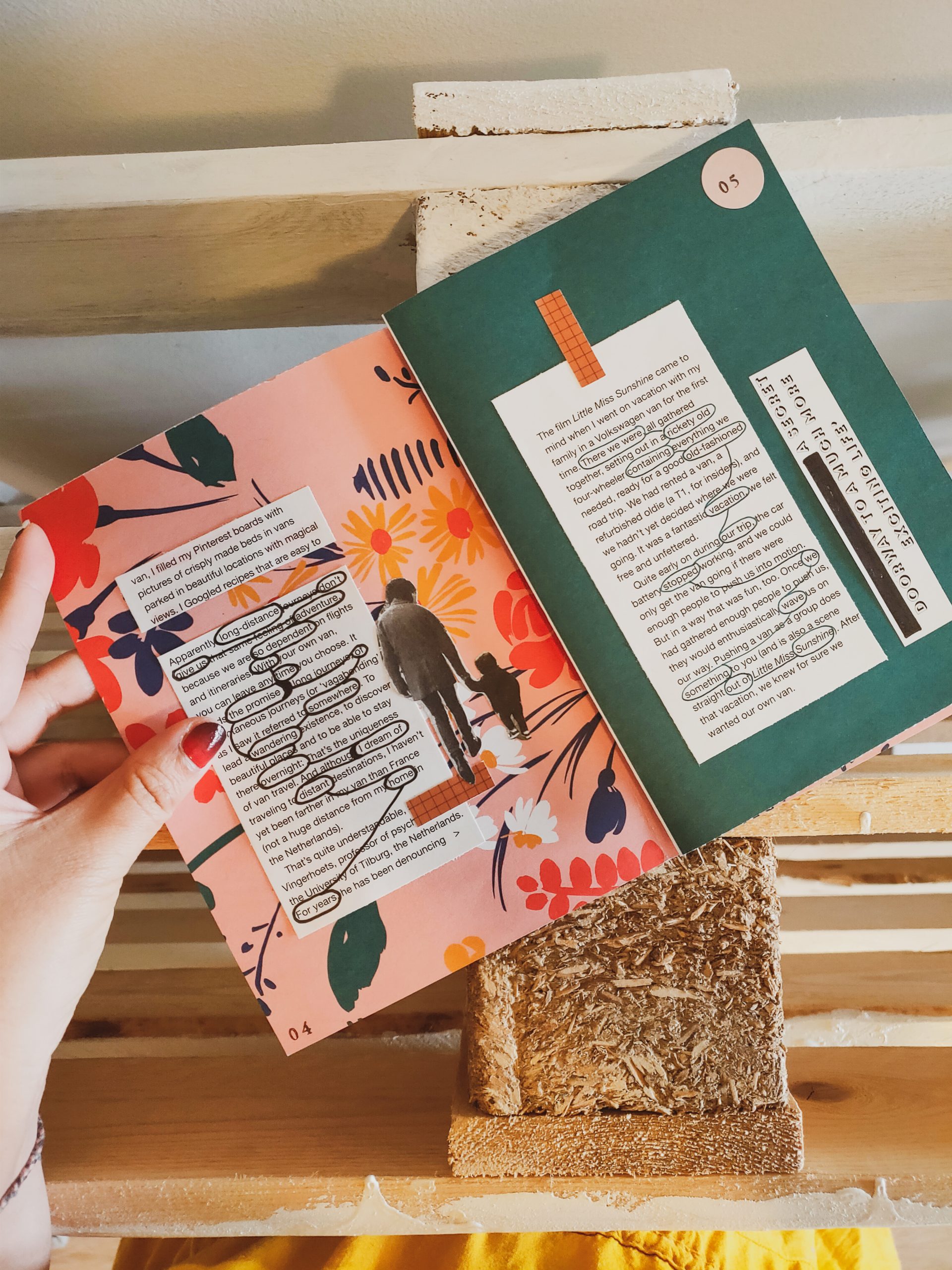
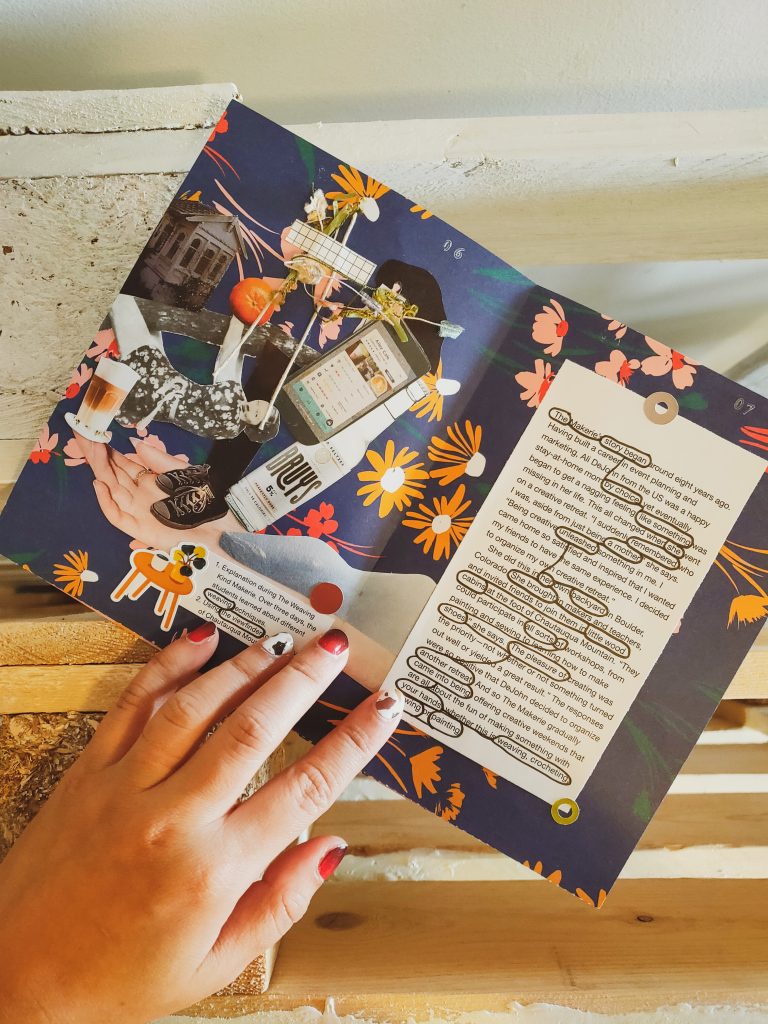
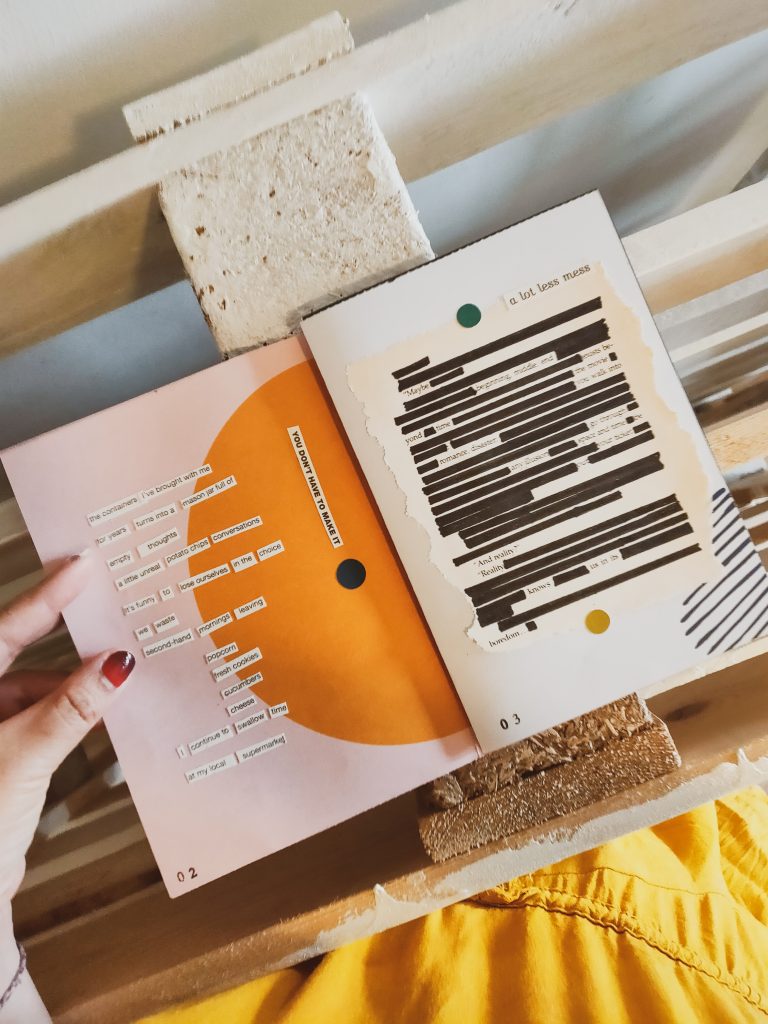
I’ve been enjoying these few weeks facilitating an intimate 3-week online workshop on Found Poetry & Collaging.

We’ve been working on our 12-page zine, featuring our takes on various Found Poetry & Collaging techniques learned during the workshop. This week, we’ll present our zine and share stories about our challenges, creative process, and things we learn about ourselves as writers/poets during the wrapping-up of this project.

I’m excited about it, about the fact that we’re creating a finished project together, challenging our creativity by imposing limitations and boundaries, and having conversations about our creative decisions. 

Interactions like this make me think of sipping a glass of black coffee together with friends in a small warung somewhere, accompanied by fried banana and vegetable fritters. 

We’re not in a hurry. 

We have all the time in the world to wait for our coffee grounds to settle on the bottom of the glass.

hanny
WANT TO SHARE WITH SOMEONE WHO NEED THIS?

Maybe you’ve realized that you want to change direction.
Maybe you’ve had enough.
Maybe you won’t tolerate certain things any longer.

Maybe you have found something better, healthier, or more rewarding.
Maybe you no longer want to stay where you are.
Maybe you don’t care that much about what people would say or think anymore.
Maybe you want to be your own person.
Maybe you’ve tried or worked so hard, and you are on the brink of burnout.

Maybe you want to persevere somewhere else, for something else, with someone else.
Maybe you want to grow.
Maybe you want to expand your horizon.

Maybe you want to risk it.
Maybe you want to know if you can quit.
Maybe you want to see what can happen if you quit.

Because quitting is also an option.

Because quitting can also be a courageous act.
Because quitting can also be an act of self-care and self-respect.
Because quitting can be a great relief.

Just because you quit, it doesn’t mean that you’re weak.
Just because you quit, it doesn’t mean that you can’t get back on track.
Just because you quit, it doesn’t mean that you’re not good enough.

Even if you quit, at least you’ve tried your best.
Even if you quit, you can always start over.
Even if you quit, you are still worthy.

———————

Accompanying #journalingprompts: Do you think ‘quitting’ can be an option? Why? Have you ever quit? Why? Or why not? In which way ‘quitting’ can be good for you? In which circumstances ‘quitting’ can be bad? Why?

hanny
WANT TO SHARE WITH SOMEONE WHO NEED THIS?

From time to time, we may find ourselves asking, “What is my life purpose?”

Some of us may be able to answer that immediately, some of us may not.

There were times when I thought I have found it: the answer to my ultimate life purpose–but then I looked into it closer, questioned it and I wasn’t sure anymore. So I searched again.

It became an infinite loop I could not escape.

I used to think that knowing my life purpose would be the key to deal with those times when my life seemed too calm or too chaotic (never truly satisfied, are we?). As if knowing the answer would give me all the assurance, motivation, inspiration, and permission to march through life, knowing for certain where I’m going and that I’m taking the straightest path to get there…

I almost forgot that in 2014 I learned about how we’d never find “the ultimate answer” because no matter what, we’d always have another question to ask.

That’s why in my January newsletter I told you that I just wanted this year to be the year of play: the year to explore, to reconnect with my curiosity, playfulness, and excitement, to do the things I want to do without worrying too much about what will come out of them.

A few days ago, while washing dishes, my mind went to one afternoon a long time ago, when I was still working full time. We were in one of our weekly team meetings at the office and we were talking about ‘role’. We were asking each other, what role would we choose in the office, if that role had nothing to do with our job titles, tasks, or functions.

Someone said, he’d be the clown, making people laugh with his jokes and funny impressions.
Someone else said, she’d be the decorator, making things look neat, pretty, and artistic.
Someone said, he’d be the problem solver.
Someone said, she’d be the cheerleader.
Someone said, he’d be the dreamer.
Someone said, she’d be the devil’s advocate.

“What role would I be happy to play in life today / this week / this month / this year / at this stage of my life?” 

When I think about it, this question feels lighter and more playful than what-is-your-life-purpose, but it can also give us a hint about where we may wish to go.

What role would you be happy to play in life?

What role would you choose for yourself at work, at home, at school, among friends, that had nothing to do with your assigned function, expectations, duties, or assumed responsibilities?

What role would you not mind filling?

When I asked this question to myself the other day, it was funny that what came to mind immediately, was serving food.

I have always felt a strange pull towards kitchens, cooking, and food, as you can see here and here.

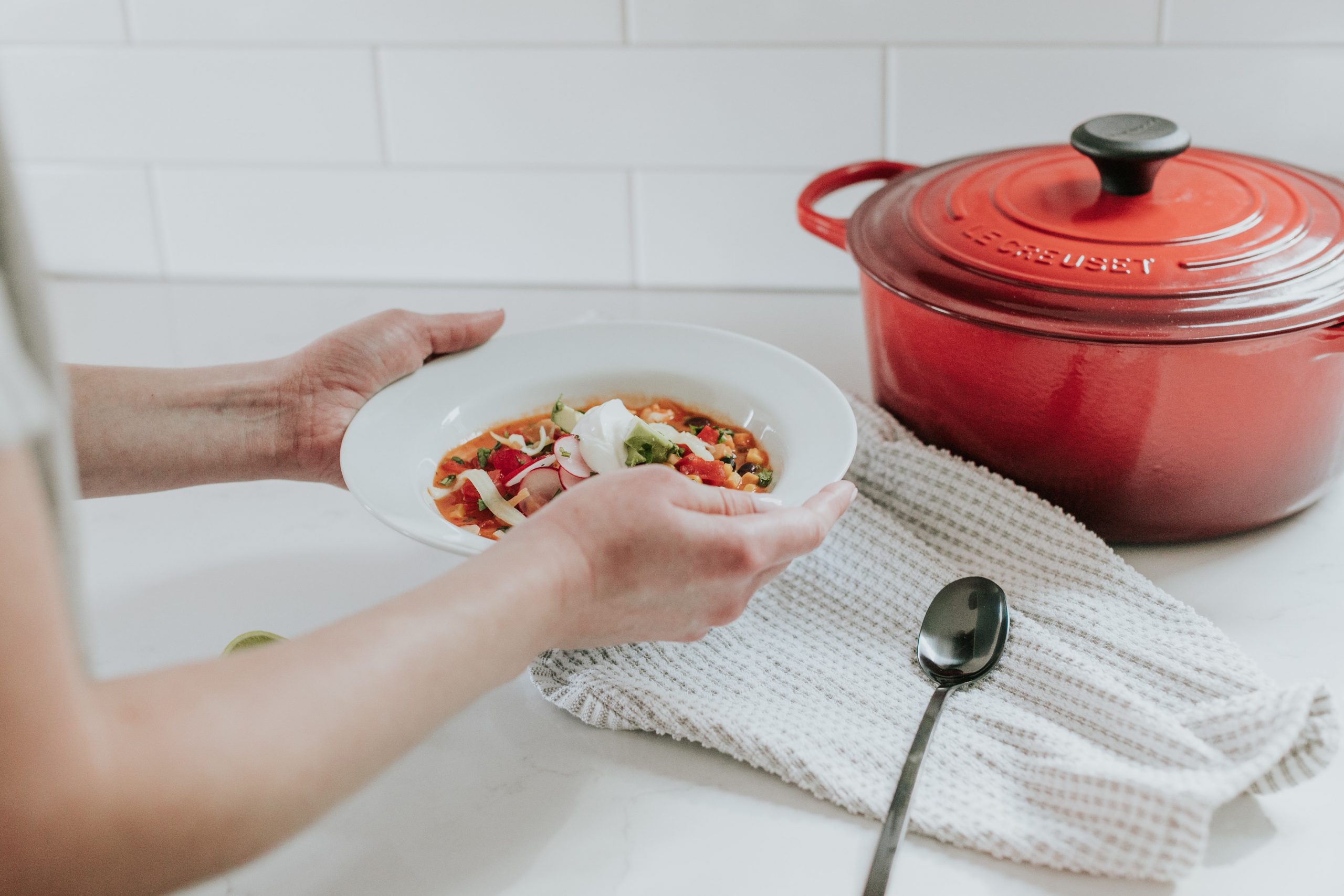
I guess what I love about serving food is that warm and fuzzy feeling of making or preparing something for others and seeing them enjoying the things I make. It’s a lovely feeling to see the immediate impact of ‘serving’ and the experience of sharing: to see someone’s hunger is finally satiated, to get someone’s appetite back, to share stories upon rows and rows of pans and plates and bowls, to come out of of the interaction feeling full, nourished, and satisfied.

Funny enough, if I choose to see ‘serving food’ as a metaphor for what I do: writing, drawing, creating content, or just being present in life in general–I can see how the role is still somewhat valid.

So, for the time being, I’ll be playing around with this role.

Let me know what role you’d happy to play this year!

P.S. If you’re a lover of zine and cats and all things handmade with love, you may want to subscribe to Koran Bulan, a digital zine by @hairembulan, or get some lovely handmade stuff she made at @pondokserbaaneka or order her embroidered linen clothes at @SunandMoon.id – while doing this, you can also help her to care for some rescued cats. Read the story about the latest rescued cat, Yin, here.
hanny
WANT TO SHARE WITH SOMEONE WHO NEED THIS?
Hanny illustrator
Hi. I'm HANNY
I am an Indonesian writer/artist/illustrator and stationery web shop owner (Cafe Analog) based in Amsterdam, the Netherlands. I love facilitating writing/creative workshops and retreats, especially when they are tied to self-exploration and self-expression. In Indonesian, 'beradadisini' means being here. So, here I am, documenting life—one word at a time.

hanny

TAKE WHAT YOU NEED
VISIT THE SHOP