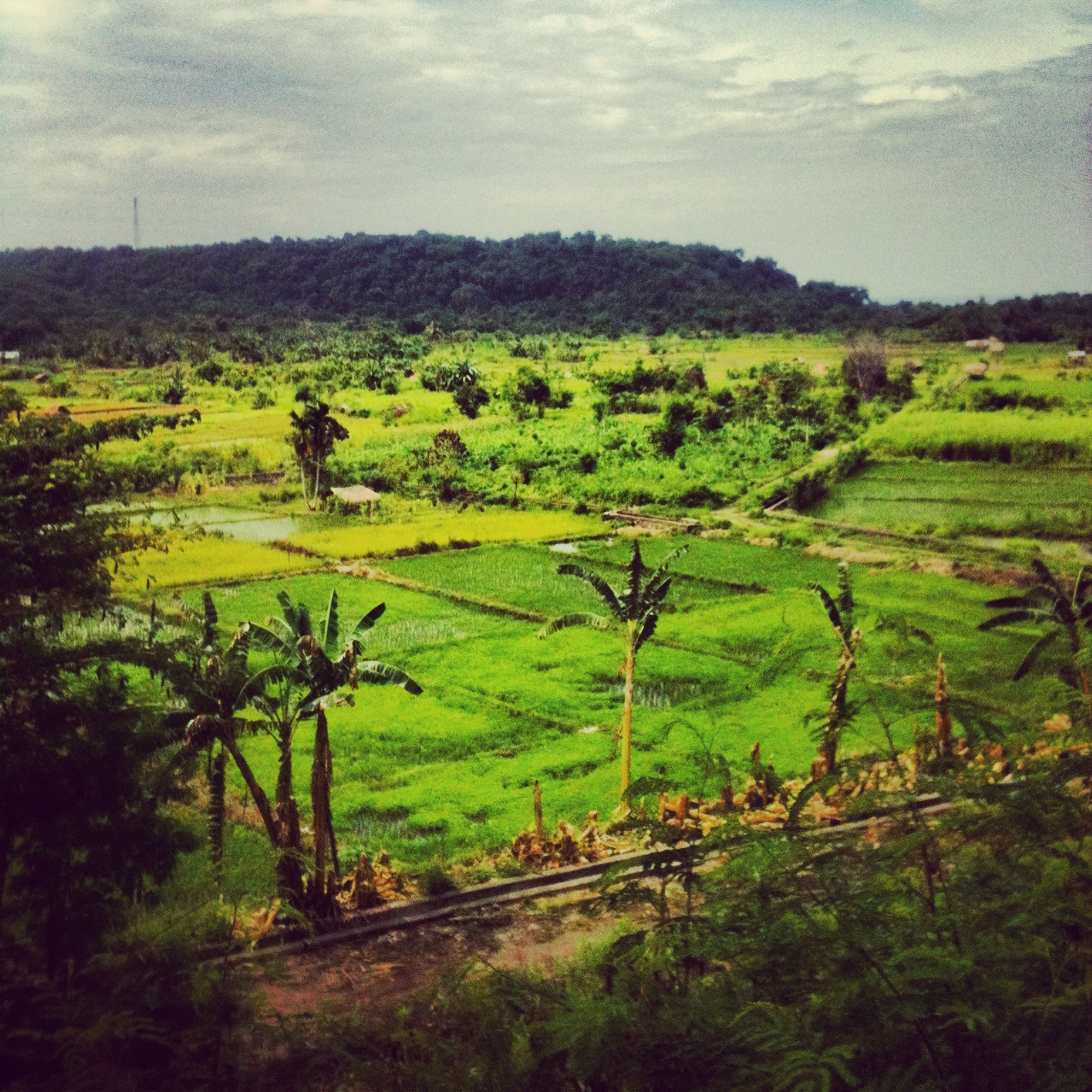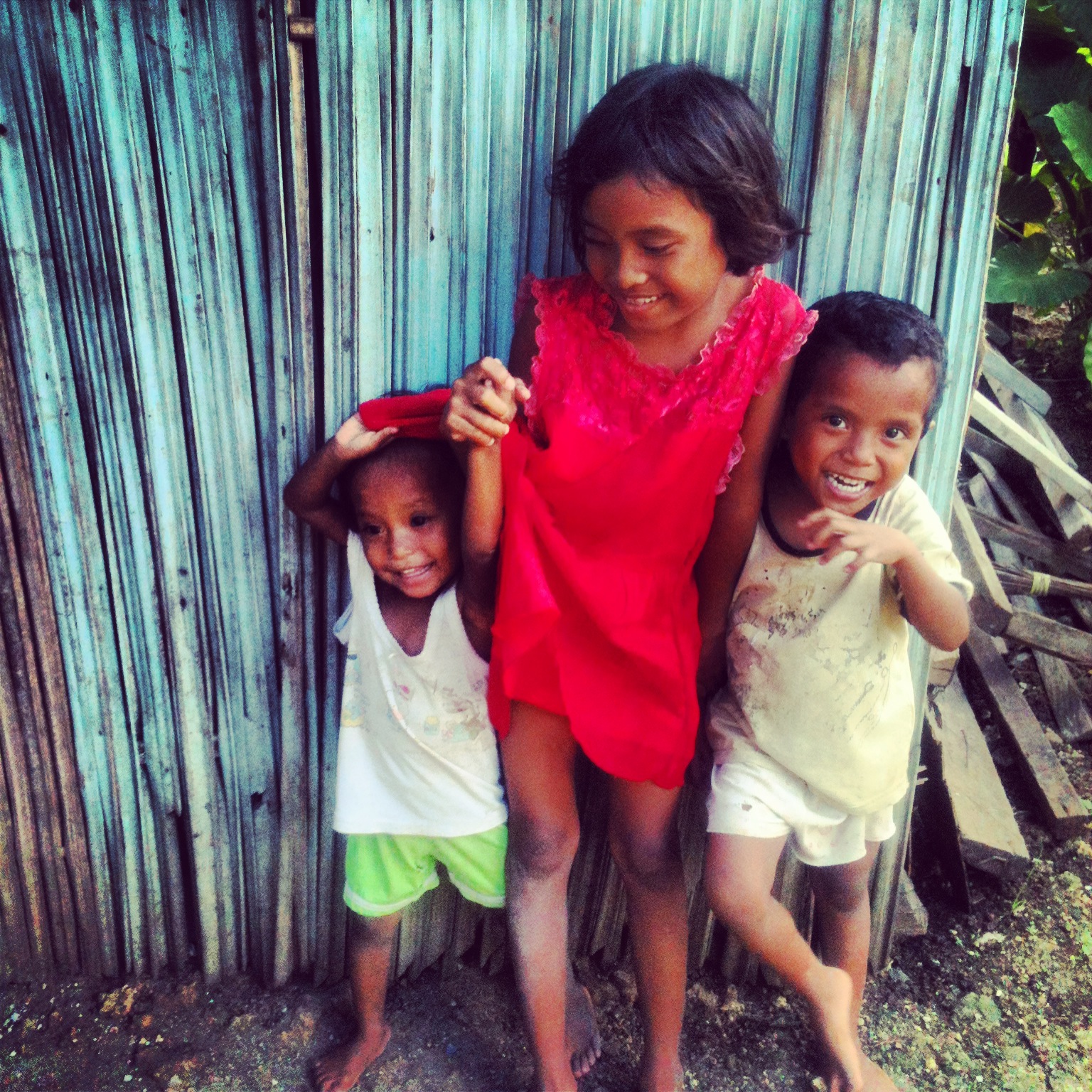
Maesy Ang and Teddy W. Kusuma wrote about their traveling journeys in the book Kisah Kawan di Ujung Sana (A Story of A Friend On The Other End), published by Noura Books in 2014. Both can also be found typing away on their travel blog, The Dusty Sneakers or hosting pop-up stores and creative events at POST Pasar Santa, Jakarta.


What’s the biggest challenge in writing a book together?


Maesy & Teddy: The biggest challenge was to begin.

Although we have blogged together in The Dusty Sneakers for five years, writing a book together required us to work much closer together. We’ve always known that our creative processes are different, but we never clashed until we started working on the book.

Teddy is a true blue artist; he writes when he wants to write. He doesn’t even need to know what the story is, he just needs some jazz and coffee to accompany him as he types away until the story reveals itself.

Maesy is the exact opposite. She could only write when she knows exactly what she wants to say and how she wants to say it. She needs to know the big picture and the small details, so she spends a lot of time plotting and brainstorming in her notebook before she could open her laptop and write.

So when we started, Teddy felt constrained by Maesy’s questions and planning, while Maesy got frustrated over Teddy’s push to write impulsively. In the end, we resolved it by playing to each other’s strengths.

For a week, Teddy was left to write the prologue to set the tone of the book, while Maesy thought, researched, and planned. Then Maesy brewed a huge pot of kokos ananas tea, brought out a stack of colorful post-its, and facilitated a two-hour workshop for Teddy and herself, which resulted in an outline for the whole book.

At the end of the week, we had everything we needed to start writing. Maesy loved how Teddy’s prologue set up the tone for the book, while Teddy was amazed by the fact that he could just glance at a wall with color-coded post-its to see all the plans for every chapter in the book as well as how they are linked with one another.

It was smooth sailing afterward, as each of us was free to work as we liked and find that our different approaches complement each other.
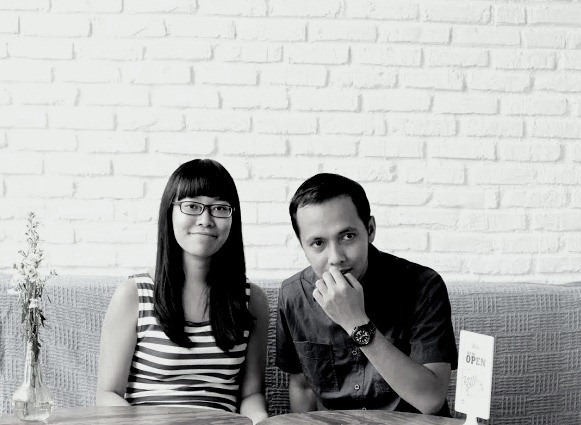
Maesy Teddy


What’s your idea of a “perfect journey”?


Teddy: To me, a “perfect journey” is one that touches you on a personal level. You know, the kind that has elements that you’d remember for a very long time. A trip filled with warm conversations with a close friend, one that reminded you of a significant moment from your past, or sometimes, a small random gesture of kindness, like when we were on a train in Japan, an old lady gave Maesy and I a panda origami she just made.

Mostly though, a journey is perfect when shared with a loved one.

One of my most vivid memories is a bumpy bus ride that Maesy and I shared in South India. We’ve been going our separate ways for more than a year before spending 14 days together in India, so I was missing her quite a lot. Maesy was sitting next to me, her face green from carsickness and she was about to fall asleep. It was just a bus ride, but I remember it vividly.

Maesy: I agree with Teddy, but to add a very practical dimension, a perfect journey is one where I could be completely unplugged. When I am able to roam without any Internet connection, it means that I am not travelling for work and that I travel with Teddy. There is no one I need to keep in touch with, nothing is urgent and no screen is competing with my surroundings for my attention. It feels very liberating, being unplugged.


What’s the life-story of this book? 


Maesy & Teddy: Like the story within, the backstory of the book also took place in several different places.

The idea first came to life under the coconut trees in Sekotong, Lombok. Maesy was recovering from a serious case of respiratory problems and Teddy has his first break after a long, intense period at his office.

We spent four days swimming, sleeping, sunbathing, and reflecting on what we felt missing in our lives. As much as we love our jobs, we felt that a creative spark was missing, a spark that only writing and traveling could fulfill.

We started reminiscing about all the life lessons we found through traveling and found that mostly came from the period when we first started the blog when Maesy got a scholarship to study in the Netherlands and we each traveled on our own.

We thought that these stories are best told in a longer narrative format than what we usually do in the blog, so that was the first spark of idea for a book.

It seemed that the universe was listening, for Noura Books contacted us right after we returned from Sekotong. Noura Books found our blog and asked whether we’d like to write a book, so of course, we said yes. What serendipity!

After we came up with an outline, we went for a four-day retreat to Portibi Farms, an organic farm in Cicurug, West Java. We took enough breaks between writing to hike and swim in a waterfall, bake bread, help out on the farm, and play Twister with the children of Portibi’s owners.

That proved to be a winning combo, for we drafted half of the book during the retreat! Perhaps also because we happened to stay in a room called “The Librarian”, another serendipity.

But mostly, the book was brought to life in Jakarta. In the weekday evenings, where Teddy stayed at work after everyone had left to write. In the weekend mornings, where a sleepy Maesy would brew pots and pots of tea – rooibos, Darjeeling, and hoji cha – to accompany her to write.

As much as we love traveling, the ultimate magic is finding the wonder in everyday life in our hometown.

Jakarta is home for us, and it is at home we saw the book came together – a truly magical experience for us.


What do you like the most about each other’s style in writing? 


Teddy: The way Maesy writes reflects a happy, sweet, quirky, and intelligent personality – just like she is in real life.

She has a way to reflect on and synthesize her encounters into a meaningful story. When she wrote about the dark side of fairy tales, she could draw the similarities between fairy tales and the tales told about Indonesia as a nation. Behind the beautiful story of Indonesia as a prosperous, united, and friendly nation, there is underlying darkness of inequalities and intolerance.

For me, home is where I was born, Denpasar. I was intrigued when Maesy explores the idea of home so far away from her own – in Taipei, in Amsterdam, and in Den Haag. I found myself thinking about the way she sees things far after I was done reading her chapters.

Maesy: Teddy writes with his heart on his sleeve. You can tell exactly how he feels about something through his writing.

In the chapter he wrote about the unpleasant consequences of tourism in Bali, you could see how upset he was although it was written in a mild tone. You could tell how much he loves his odd friend, Arip Syaman, although the chapters with Arip in them are full of silly incidents and humor.

You could sense his agitation when he questioned the call to preserve tradition during his trip to Baduy. Reading Teddy’s writing feels very intimate because he lets you know how he feels, in the most charming use of Bahasa Indonesia.


What kind of travel stories are your favorites? And why?


Maesy & Teddy: We grew up reading fiction and folktales. We find that characters matter the most in any story, so we love travel stories with strong characters.

We care much less about a place, we keep on reading because we want to know the characters better and get to know a place through their eyes.

Maesy grew up reading fantasy books, and in those books, traveling is how a character becomes aware of their personalities and grows as a person. Lyra Belacqua in Phillip Pullman’s His Dark Materials trilogy is bold and mischievous when the story started, but it was only when she traveled to the North Pole she understands that being brave also entails sacrifice and thinking of the consequences of her actions.

We love travel stories that are also stories of personal journeys, one in which the narrator finds something meaningful about him/herself.

We also enjoy Agustinus Wibowo’s Titik Nol. It is ultimately a story of humanity, seen in people he met throughout his travels, those whom he hold dear, and also within himself. These are the kind of stories that will last in our minds.


You talk about friendship and distance in your book, and how you’re bridging that gap through letters. In your personal life, what are the significance of friendship, distance, and letters to you?


Teddy: I started writing letters to friends before the dawn of e-mails. My best friend in high school went to university in Yogyakarta while I studied in Jakarta and we decided to keep in touch by writing letters.

Those letters to me were not just a way to connect with my friends, they were also a way for me to connect with myself. I only wrote my most significant thoughts and events that left the deepest prints in those letters.

How I write my letters became my habit in writing anything personal – be it blog posts or the book.

Maesy: The book (Kisah Kawan di Ujung Sana) was about the period when Teddy was my friend at the other end of the world, while I studied in the Netherlands and formed new friendships. These friends are now my soul sisters at the other end of the world – in Brussels, Managua, and Vienna.

While we stay in touch through Facebook, Whatsapp, and Instagram, it is only when we took the time to write long letters that I really could connect with them beneath the surface and see our friendship grow.

It is only when I write long letters that I feel the distance shrink. It is when I read their letters I believe that life is long and the world is small, that our paths will cross some other time.(*)

—For more interviews with Indonesian writers, click here
hanny
WANT TO SHARE WITH SOMEONE WHO NEED THIS?

Rahne Putri is a poet and a published writer with her book Sadgenic. She also contributes her stories for Cerita SahabatThe Journeys 2, and Jika. Her words can be found through her poetic blog entries or her Twitter account–with more than 77K followers. You can read more interviews with Indonesian writers here.


Where do your words come from? What made you attracted to words and poems at the first place?

Rahne: Where do my words come from? Honestly, I don’t know. Sometimes I am also surprised how poetic words come out at certain times. This question made me think. Probably it was gradually shaped from my childhood ambience. I do not remember it specifically (because actually, I’m forgetful), but apparently I recorded a lot of things from my family’s habit, and those things were kept in my subconscious.

In the old days, Eyang Putri (grandmother) loved to tell stories and write letters for me when she missed me (obviously, with a very formal Indonesian like how it was back then). I also recalled a piece of love letter from Romo (father) for my mom, glued into the back of her cupboard’s door–which I love to secretly read. Or a poem about “Dad” on the bedroom wall of Eyang Romo (grandfather). I grew up in a loving and romantic family.

Moreover, I also love to dissect dialogues from theaters, movies (from cartoon to romance), to melancholic lyrics from love songs. It seems like these things shaped me to end up loving words and poems.

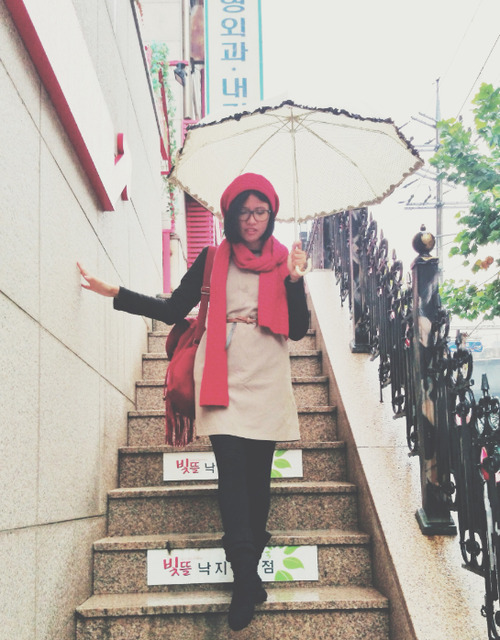
Rahne Putri

How does it feel to be inside of you during moments when words or story ideas pop up in your head?


Rahne: Usually when these things pop up, I want to enjoy solitude. Because there are many disputes over what’s on my head and what’s on my heart, so I try to focus and identify the things I want to feel and convey. I try to make myself truly exist, expressed, and present to accompany me when the inspiration comes. Actually, it feels like loneliness. There are only me, time, and thoughts.


Some writers said that they are more productive during sadness or heartbreaks. Does sadness fuel you?


Rahne: Ha! Yes! I feel it! When I am sad or anxious, I tend to question a lot of things and it triggers me to keep daydreaming or think about all the possible answers. Question marks urgently reverberate from my heart, then crawl to my head and my fingers to be expressed through writings.

When I’m happy, my heart does not question much. I even have the tendency for not wanting to write.

Does sadness fuel me? Yes, it does. I love my sadness, to be exact. It doesn’t mean that I want to be sad all the time, but I always capture the beauty in sadness (thus, Sadgenic). Sadness allows me to be honest with what I feel and directs me to know better about what is it that I really want.

Sadness is an opportunity to appreciate losses and longings. Sadness is the energy for me to keep moving… away from it.


What’s your favorite place to write? What can we see or feel when we sit there?


Rahne: I don’t have a special desk or place to write, because inspirations come to me in various places. Every time I prepare the time for it, it doesn’t come! (laugh).

However, in my writing space, you’ll feel nothing but stillness. Usually, I play instrumental music and have a clock nearby so I can hear it ticks. Both are the rhythms that guard me as I write. Oh, and you may hear the sound of trickling water.

There’s always a corner in my writing space (in my imagination) that needs to be wet–either from rain or tears.

Another habit, I oftentimes close my eyes when I am about to write, because there lies a huge window, and I have to go past it to start the journey to my imagination.


How do you approach bookstores? And if you can build one, how would it look like?


Rahne: I’ll share a little about my imagination as I enter a bookstore or a library. Usually, I’d rather visit the hidden corners–which others rarely see or pass. I always imagine that there are books waiting to be flipped open and to be read.

I have the habit to ‘give lives’ to objects around me since I was little, so those books, in my mind, are actually storytellers–waiting for someone to listen to their stories.

When walking through the shelves, it feels like all of them say: “read me, read me” or “pick me” with various tones of voice. For instance, it would be an old guy’s voice when it’s a vintage book, or a child’s voice because it’s a children’s book, or a female’s voice, impatient to tell the love stories inside.

Imaginations aside, the kind of books I look for are mostly poetry books and children’s books that are full of pictures. I am also attracted to books with lovely covers, and books with sweet, nice, and curiosity-arousing opening notes.

My childhood dream is to have a bookstore with huge windows, for the sunlight to enter, and people can read with sufficient natural light. Then there are couches, so they can read the book they find. And in one of the corners, I’ll prepare hot tea and cakes.


How do places affect your writings?


Rahne: Essentially, I like places with the concept of ‘waiting’. A seaside or a hill where someone sits–waiting for the sun to rise or set, or a coffee shop where someone is waiting for a friend.

I love to watch people in places with such a concept, guessing what they are going through, what they are feeling. Often times, in airports or train stations, my emotional examinations are richer, because everyone is in the position of waiting, then they move away, or move towards something. Those places are full of goodbyes and hellos. So, some anxieties or hopes I capture there are being carried on through my writings.

I am also thankful to have a bit of (overly) active imagination because there are loads of future places I dreamed of that I have visited. Maybe they are not real, but it feels so fun to mash them up with something I want to write, feel, and tell. 

*) photo courtesy of Rahne Putri.
hanny
WANT TO SHARE WITH SOMEONE WHO NEED THIS?

I don’t normally spend New Year’s Eve traveling or partying with friends. Most of the time, I’ll be reading some good books in my bed until the clock strikes 12. This year, 10 days before New Year’s Eve, a friend of a friend invited me to come with her to Alor–a small island in Eastern Indonesia. She wanted to visit some schools in the villages and asked me to do some storytelling for the local kids. I was making an impulsive decision when I said yes.

To be honest, I was pretty reluctant to spend New Year’s Eve outside the comfort of my own bedroom–remembering how last year’s New Year’s Eve celebration in Penang had turned into such a disastrous experience. However, I was happy to say that this year I didn’t regret my decision at all! 2014 began ever-so-beautifully in Alor–and I genuinely hope that the rest of the year would be as (if not more) beautiful! *cheers*
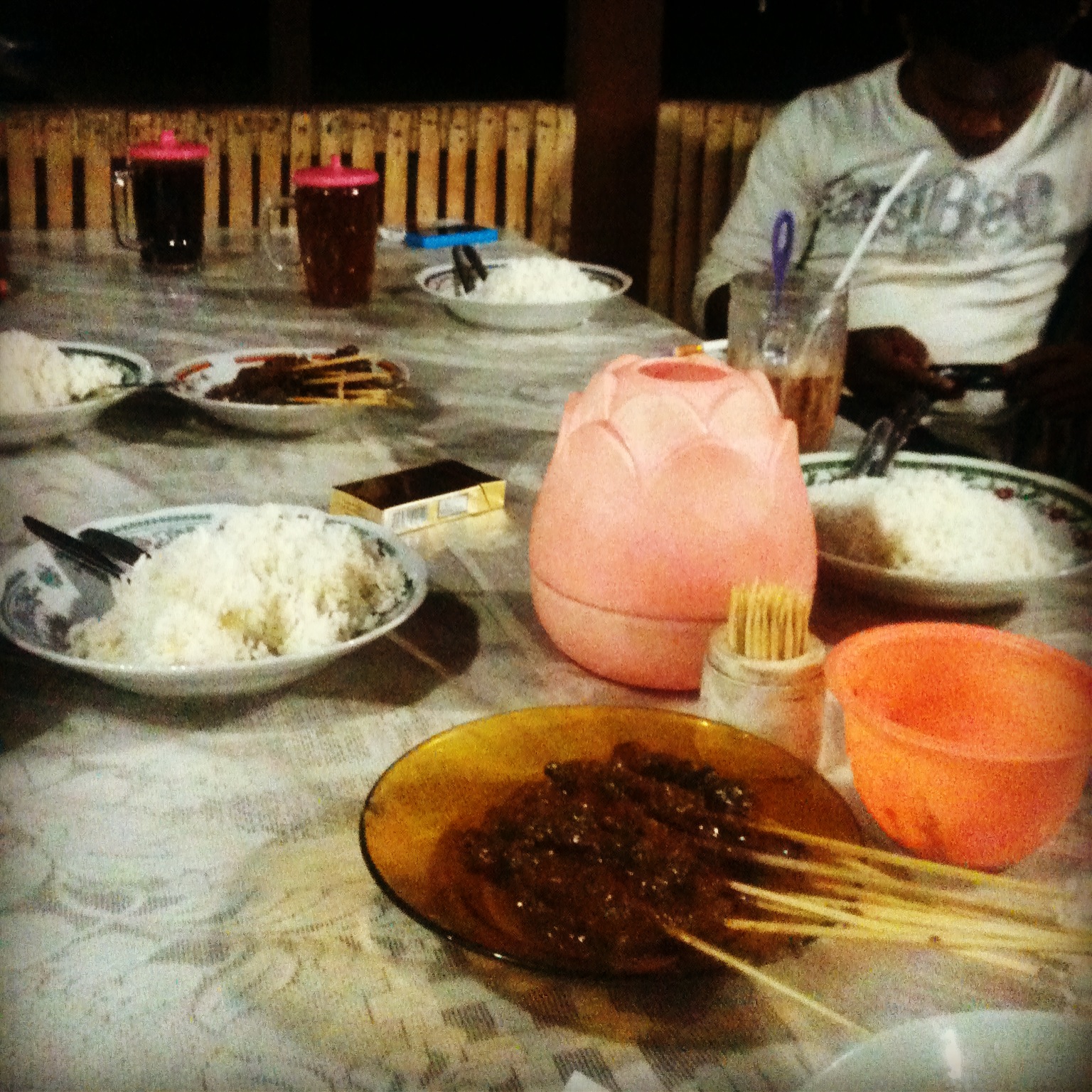
December 31, 2013, around 9:30 pm, I found myself sitting in a shack near the port in Kalabahi (the small town on the island) with my friend, Monica, and four of our new friends from Alor. We had just ordered our humble New Year’s Eve dinner for the night: some plates of rice with chicken, beef, and goat satay; hot coffee and tea, as well as some bottles of Bintang beer for our Alorese friends. The air was filled with the salty smell of the ocean, the explosion of firecrackers, and a blast of dangdut music from the nearby shack–where Alorese men and women danced festively in every possible move. Some were already drunk from the unlimited supply of sopi (local alcoholic beverage); poured directly into people’s mouths from time to time.

In Kalabahi’s street-side, every 5 meters or so, the youths had set up their own pop-up clubs: filling empty areas or house terraces with huge speakers (blaring the kind of music you’ll hear in clubs all over the world), disco lamps, and rows and rows of beer bottles.

Everyone was laughing and enjoying the night. Me included.

I wish you all a wonderful 2014–and may you have the courage to follow your heart’s desires.

love,

hanny
WANT TO SHARE WITH SOMEONE WHO NEED THIS?

We talk about words. About how they form stories from memories: of places, and faces, and feelings. We talk about warmth–as we go about our days and being reminded constantly by each other’s presence, or absence, knowing that the longing is mutual. We talk about poems, and how random words can actually make up something so beautiful–the way random encounters with random strangers by the beach sometimes do. We talk about haikus and Kerouac, of the feeling of being here and there, of being nowhere and everywhere–as the idea of us in each other’s arms fills the air.

Well, here I am
2 PM
what day is it?

No telegram today
only more leaves
fell.

Drunk as a hoot owl, 
writing letters 
by thunderstorm.*

We talk about fixing coffee and tea, about breakfast in bed, and the joy of preparing meals for dinner time. We talk about traveling around the world and staying at home for two weeks in a row when the Internet is down–about how both possibilities seem fascinating simply because we are together. We talk about material gains and spiritual paths, about the books we are writing and the projects we are working on; about business ideas and dead musicians, about dark humor and classic movies, about dogs and cats and rain and thunderstorms. We talk about being stuck in a traffic jam for 2 hours, about sea-glass and cartoon characters, about disrupting the market and financing options, and about how wonderful we feel in each other’s embrace.

We talk about the history and ancient temples. About a family island that has been passed down from generation to generation for over 400 years. We talk about the idea of something that remains constant for so long, about how amazing and romantic it is, and questioning whether the things we hold of importance today will still be around in many years to come–and that we certainly hope so**.

We talk about cities and their different vibes. About how some have consistent flows of interaction–where we will always be in regular contact with people and energy, while the rest is filled with dead zones. About how, similar to life, sometimes it’s best not to prepare too much and too far ahead, and just jump in when we get there**. We talk about flowers and their different appearance. About how some are trying so hard with beautiful shapes and colors and complicated configurations of petals, while the rest are just there: as plain and honest as flowers could, swaying happily as the wind caresses their simple florets; couldn’t care less about trying to impress.

We talk about dreams and fears; the things that make us laugh and the things that make us cry. We talk about the way we hurt–about how pain is a true sensation of life: one we can’t hide from if we really want to grow and understand all that life has to offer us.** We talk about happiness; about following our bliss in the midst of turmoils and uncertainties; about the way we find each other as we’re manifesting our hearts’ desires. We talk about how the timing may not be ideal, but somehow perfect in every way–as we have hurt enough to mature and have loved enough to see each other in a childlike manner: with a sense of wonder, of being amazed and joyful when it comes to those everyday little things we see in each other.

And we talk about life. About how life is good when the other is in it–in any form: be it a song, a word, a picture, or best of all, in a touch.**

*) from Jack Kerouac’s American Haiku
**) from M’s letters.
hanny
WANT TO SHARE WITH SOMEONE WHO NEED THIS?

It’s about not knowing where we should go or what to do next the rest of the day. Just like one drizzly morning when we sat at the Green House, surrounded by porridge bowls, plates of American breakfast, cups of coffee, and glasses of juice. We pushed them all aside before you drew four lines on a piece of paper and wrote down MON TUE WED on the top of each space.

It should be our schedule, despite the fact that you wrote only one place for us to visit each day and left the rest of the columns empty. “Wow. The schedule looks so… zen.” We laughed at that, but in a way, it was actually darn philosophical.

***

It’s about not knowing the highlight of every day because our days got lost beneath Singapore’s cloudy sky and tangled sheets and the constant appearance of little gifts in bubble-wrap envelopes. My memories captured too many small details of your wonderful presence, but I loved the way you touched your chin when you were in deep concentration; typing away by the window overlooking the Esplanade, as well as your delicate way of brewing me a cup of chamomile in the afternoon.

It’s about not knowing why we were here in the first place, as we walked hand in hand through the concrete jungle–not even trying to question things. It was like that rainy day at the Art Science Museum when we sat in the darkness on the 4th floor, watching the mesmerizing “Sound of Ikebana: Four Seasons” by Naoko Tosa. Nobody else was around as we let ourselves drenched in the beauty of haikus and the vibration of kaleidoscopic paint caused by sound waves. We went there to see Eames, but we ended up here. It sounded too us.

***

I still don’t know about a lot of things–apart from more than 400 long letters and the irresistible charm of your battling eyelashes as you recite poetry from Hafiz; or how safe it feels just to lay my head down on your chest, listening to your heartbeat–as if the whole world has been compressed into this crippling second on earth; and suddenly, not knowing about what or how or why doesn’t really bother me at all.

hanny
WANT TO SHARE WITH SOMEONE WHO NEED THIS?

“The fact that you’re always happy can be annoying at times,” said A.

Your first response came out as “I am not always happy!”
And A came back immediately with, “Yes, you are!”

You knew he was half-joking. Well, no. You wanted to believe that he was half-joking. Because contrary to popular belief, you are actually capable of being sad. It’s just that you have decided long ago to be sad somewhere else, behind locked doors, away from the crowd. You wanted to tell A that you had just burst into tears six days ago–when you were about to go to bed and suddenly felt the urge to cry for no apparent reason. A wave of sadness hit you hard from somewhere deep inside, and the next thing you knew, tears were flowing down your cheek. You cried a good cry, letting them all out–whatever they were–sobbing to a pack of tissue until your eyes were swollen red and you felt out of breath.

That night, you cried until you fell asleep.

You wanted to tell all this, to let him know that he was wrong. But you didn’t. It didn’t seem like something that you could share on a bright Friday morning, when the two of you were just lazying around in a coffee shop, trying to catch up with each other’s lives. Another part of you thought that explaining such a thing was simply pointless. And at the time, you just didn’t feel like explaining yourself to anyone.

***

You still don’t know why you burst out crying that night. Probably there are some repressed feelings or memories from your past that needs to heal–or probably you just feel really vulnerable because you’ve opened up yourself so much to someone lately. Maybe, subconsciously, you are afraid. The last time you were being vulnerable and dropped your guards down, you got hurt real bad. You didn’t see that one coming, and you fell flat on your face. It was good to get hurt that way, though. Because when it hit you that hard, something snapped inside of you. You realized that you love yourself enough to not let people treat you badly. You told yourself to be careful next time.

And then you met him.

***

A few days ago, he told you how he loved the movie, Up. You remember that movie well; that you cried several times when you watched it a long time ago. For some reason, one of the things that struck you in the opening was the always-there realization of how people were so used to think that they would have more time. That there would always be tomorrow, next week, next month, or next year–and then suddenly realized that they had run out of time. So they started to look back in despair, seeing the things they had missed out in life, the things that were once possible but had now become impossible. The movie always reminds you to live every moment as if it was your last–and to live a life without what-ifs.

You remember this one time, a few months ago, when you asked yourself, “What if I said hello to that guy over there?”

And so, you did.

Close to midnight, you found yourself sitting next to him on the sunbed by the beach; listening to the sound of the waves as he gently wrapped his fingers around yours. The warmth enveloped you despite the seaside chill, and you remember looking up to the sky, then pointing at the stars–oblivious to the fact that at that very moment, Mars formed a nearly perfectly straight line with Castor and Pollux, the two brightest stars of the constellation Gemini. Merkaba activation, they said, when the planetary alignment creates a bridge to Spirit through our Hearts. You can’t really digest those things, but they sound wonderful, like some kind of fairy tale from a faraway place, somewhere in the Milky Way.

***

You bid him farewell once, thinking that you would never see him again. You’ve been so used to it, saying goodbye to people’s back as they walk away from you because people never mean what they say. But he proved you wrong. And he proved you wrong again, and again, and again. Despite the distance, the two of you bridge it with more than a hundred and sixty thousand words and glimpses of each other’s lives. Sometimes you wish that you could do more than just saying endless thank-yous, to show him how much you appreciate all the wonderful little things he has done. You wonder if he really knows.

You wrote about Retrouvailles once, the happiness of meeting again after a long time.  You mentioned leaving your front door open, and you were glad that you did. Moreover, because it was him that walked through that open door, stretching the vast possibility just to prove you wrong, once again. But you’ve got the message this time, loud and clear: there is nothing else left to prove. And the last thing you want is for him to prove anything. You want him to just be. Because since the very beginning, even without the need to even try, he has made you believe in an abnormally perfect fall. And although you will never know for sure about how life will finally unfold; you want to believe: that someone will actually catch you this time.

Even being thousands of miles away, you bring me calm like I haven’t felt forever | M

photo credit: Ricky Flores via photopincc
hanny
WANT TO SHARE WITH SOMEONE WHO NEED THIS?

I know I am an old soul, and probably that’s one of the reasons why I am always drawn into anything vintage. Not to mention the fact that I can’t find the joy (yet) of reading books on my gadgets. I know it’s not that environmentally friendly, but I still love the real deal (would be better if it’s a second-hand book or a gift from someone): appreciating the cover, touching the edges, flipping the pages, reading the messages or underlined quotes someone had written inside… and don’t you think the smell of old books should have been bottled to be sold in supermarkets and sprayed in bookstores and libraries?

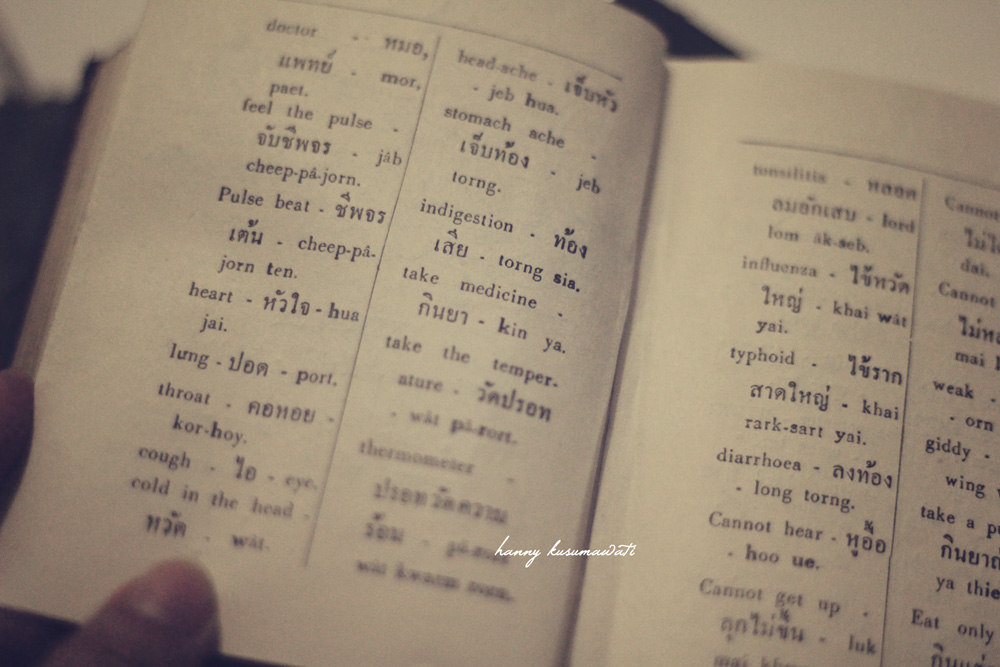
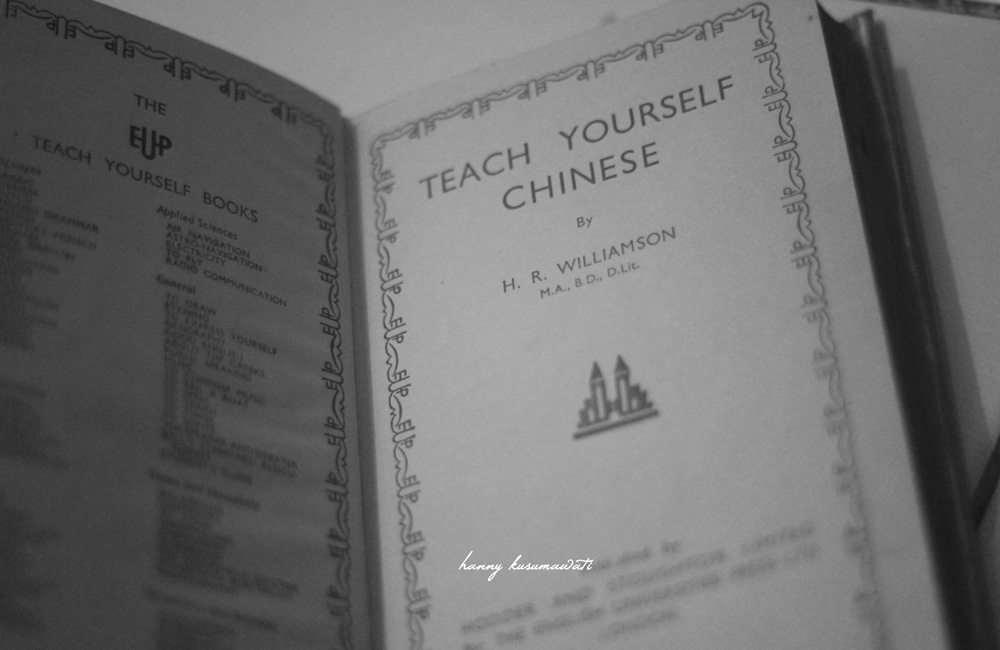
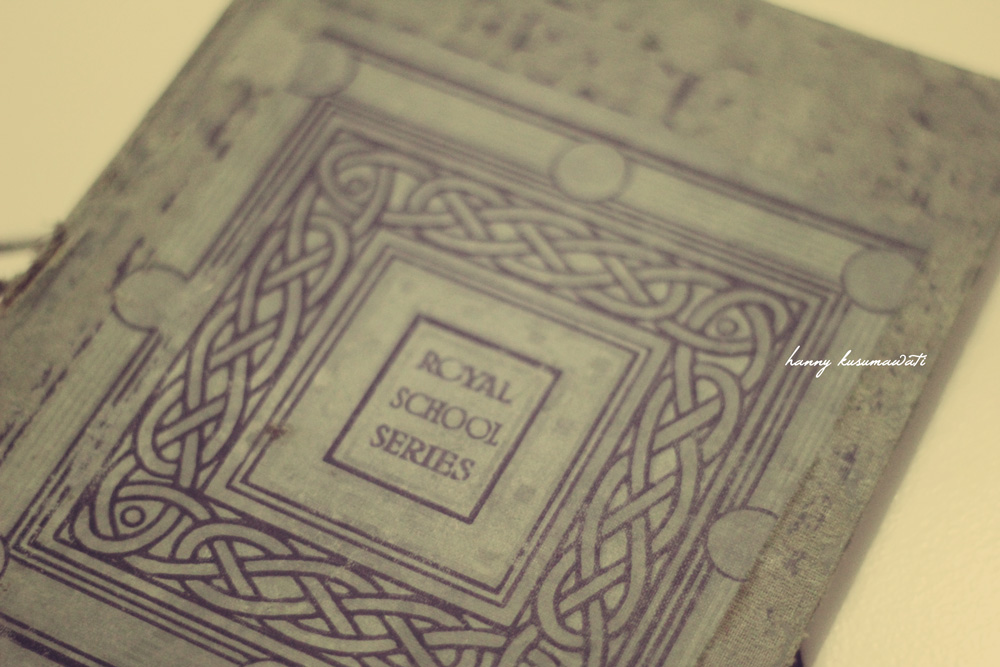
Thus, finding several old books from my grandfather’s collection was bliss! A beautiful French dictionary (love that pocket-size thing and it’s vintage blue stained-cover!), a small Thai dictionary & phrasebook, plus a Teach Yourself Chinese book! I know my grandfather (from my father’s side) loved books and that he spoke a little bit of Chinese and Dutch, but at the time he was still alive, I was still a little kid–and I didn’t know that he had this extensive interests towards learning foreign languages.

Beradadisini-OldBook12

I glanced at my bookshelf where my phrasebooks were stacked neatly on top of each other. French. Greek. Arabic. Spanish. Hindi and Urdu. Russian. Wow. Now I know where my fascination for foreign languages originated from!

Beradadisini-OldBooks3

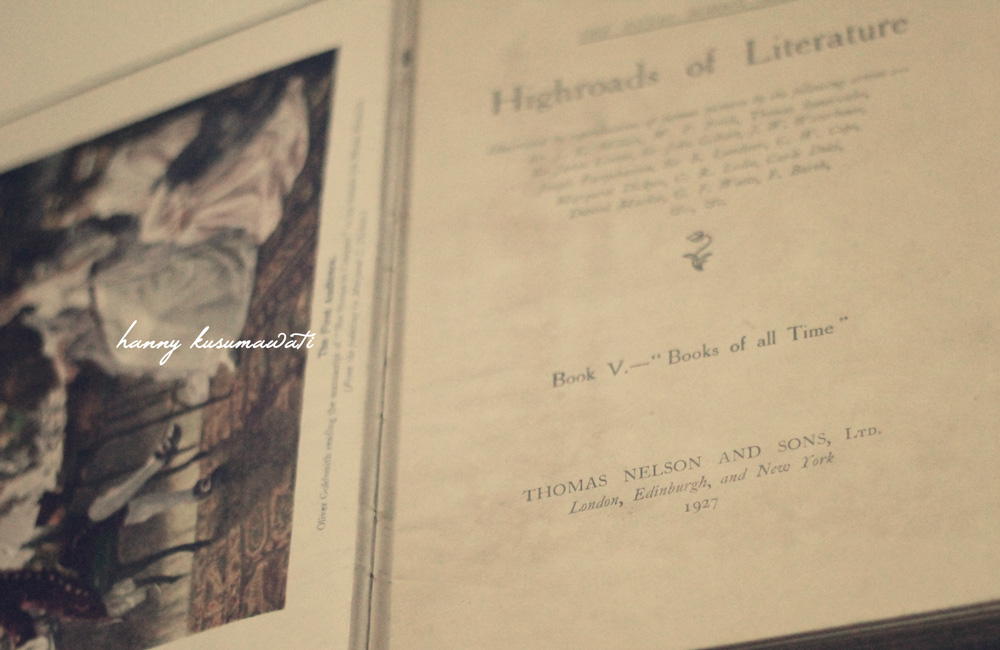
I also found this holy treasure, Highroads of Literature (1927), and let out an excited shriek every time I looked at the beautiful paintings inside the pages–accompanying Tennyson’s The Lady of Shallot and Shakespeare’s The Tempest.

Beradadisini-OldBooks2

Beradadisini-OldBooks9

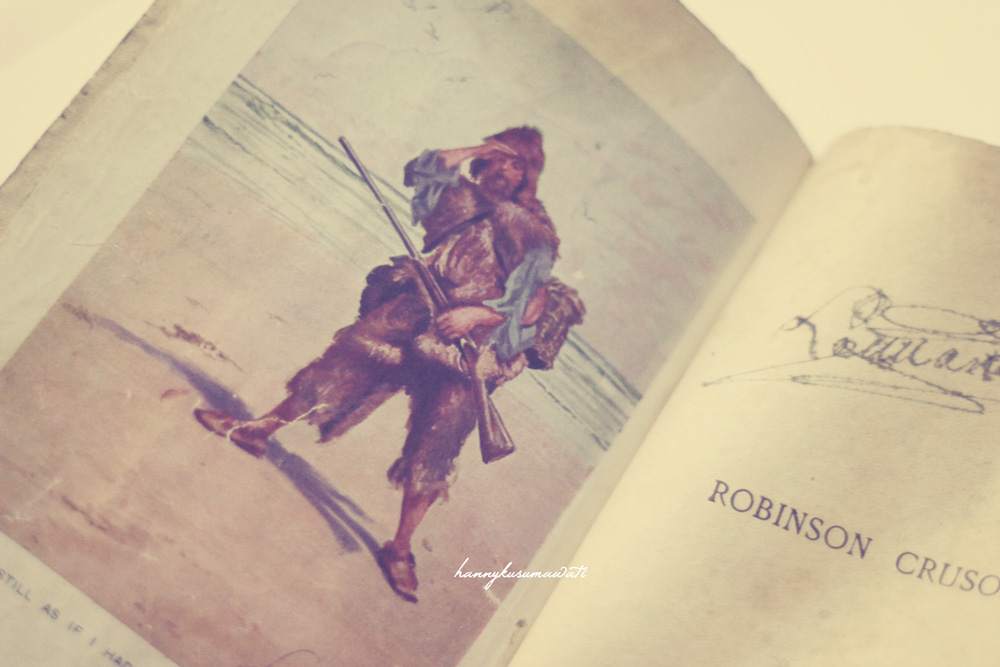
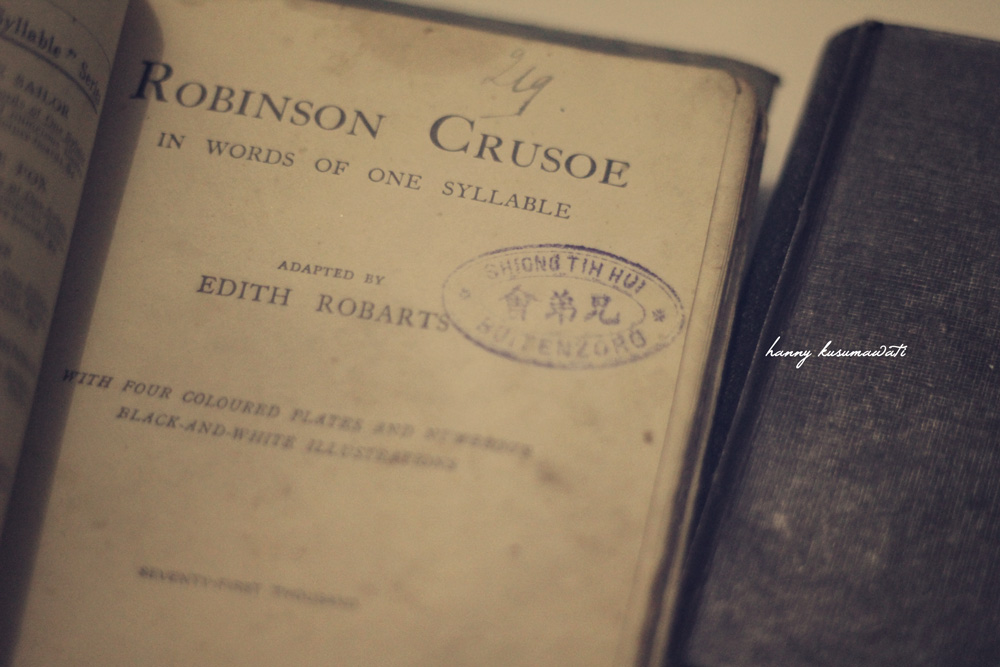
Another amazing finding was this Robinson Crusoe’s book because there’s a purple stamp from the bookstore where the book was bought… and it was pure bliss to find the word Buitenzorg stamped on it! Buitenzorg was the name given to my hometown, Bogor, during the Dutch colonial era. It meant something close to “a worry-free town”, where the summer residence of the Dutch East Indies Governor-General was located. This city of rain, which was surrounded by mountains, became a ‘resort’ town where the Dutch escaped from the bustling (then, and still bustling until today) Batavia (the Dutch name for the country’s capital, Jakarta).

Bookstore-OldBooks4

Beradadisini-OldBooks5

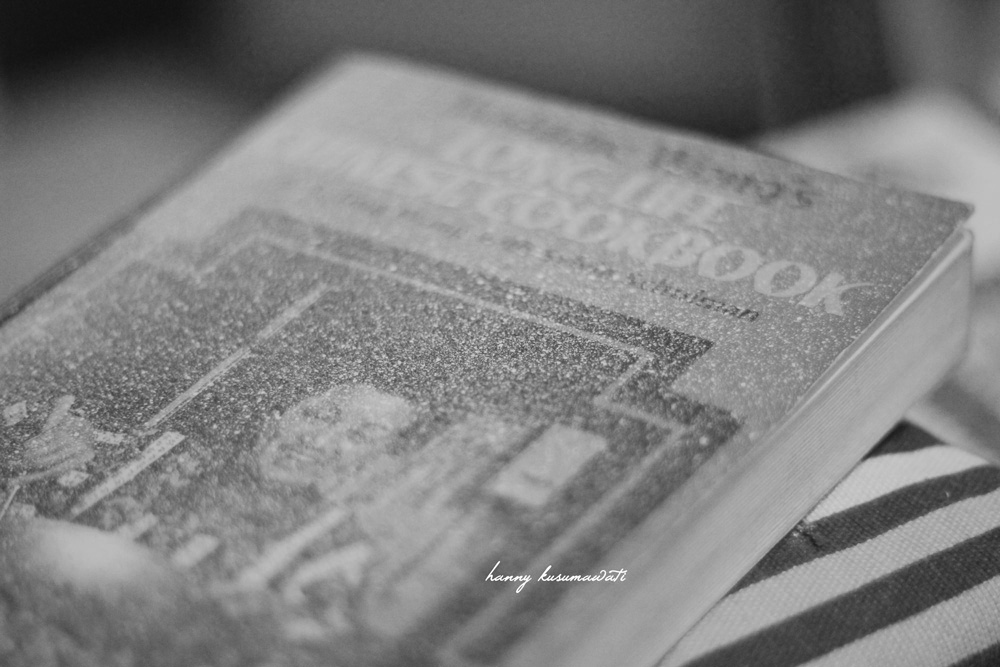
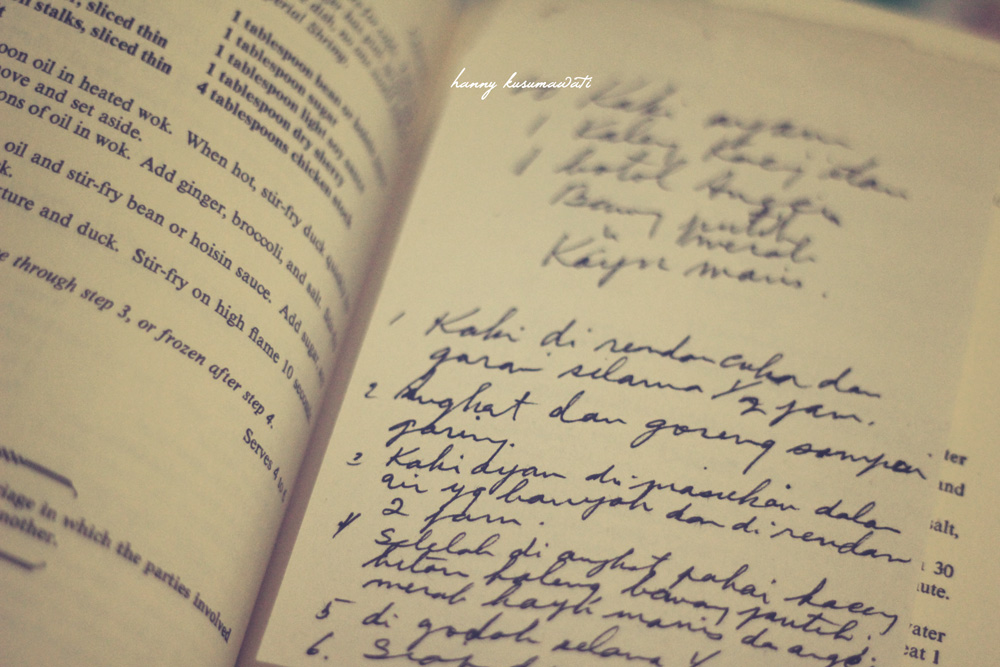
From my grandmother’s side, I actually bumped into this amazing thing: Madame Wong’s Chinese Cookbook. And look at those hand-written chicken-feet recipes on a piece of paper tucked inside the pages!

Beradadisini-OldBooks10

Beradadisini-OldBooks7

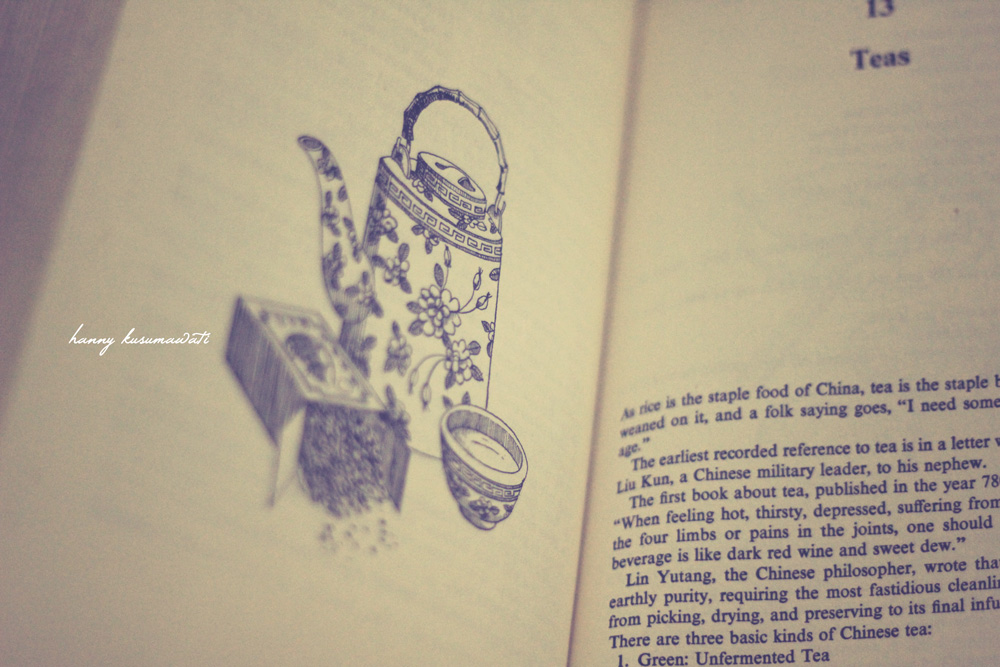
Not to mention that the book has these beautifully breathtaking hand-drawing illustrations to show you the final look of the meals and the cooking steps–instead of photographs that you usually find in the modern cookbook!

Beradadisini-OldBooks8

Have you ever found an old family ‘treasure’ lately?

hanny
WANT TO SHARE WITH SOMEONE WHO NEED THIS?

“The tragedy is not that you’re gonna die this way,” my mother had said to me once, “it’s that you live this way.”
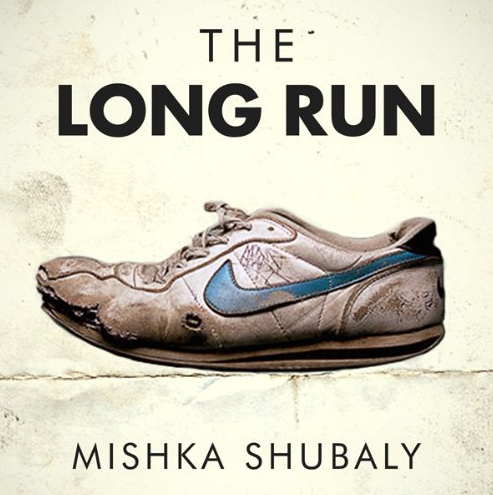
[The Long Run by Mishka Shubaly.]

I fall for words. Words of all kinds. Flirty texts. Random questions. Stupid remarks. Silly emoticons. I fall for words so much, to the extent that I once agreed to meet a guy I had known online without even knowing how he actually looked like. He wrote nice emails and texts. That was all I know, and that was enough. Later on, he realized that he had not sent me his picture.

“What kind of girl agreed to go on a date with a guy she doesn’t know the look of?” he asked, laughing.

“An open-minded girl,” I replied. “And, anyway, who said that it was a date?”

“Ouch. You got me!”

So, we met over coffee one afternoon. And he turned out to be very pleasant and nice–just the way I pictured him through his words. We had a great conversation. And banters. And we laughed a lot. Oh, and as a bonus, he was actually quite handsome. Thus, don’t blame me if I continue to fall for words. My experience tells me that it’s 95% accurate.

So, yes. I judge people from the way they write (including the type of font they choose). I fall for their writing style, their choice of words, their inner voice, the way they place the right punctuation marks, as well as the wonderful feeling of reading those sentences out loud and thinking about how smart or funny or dark or interesting or intriguing the writer must be.

I also fall for Mishka Shubaly this way.

***

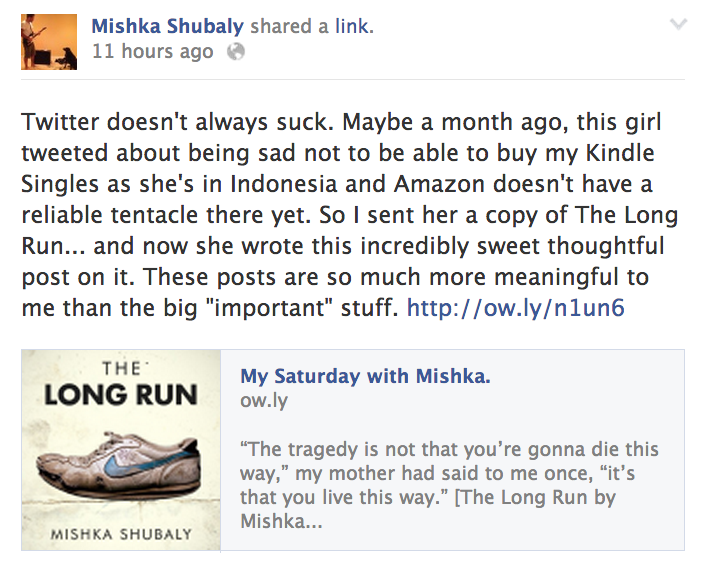
About a month ago, when I was browsing the Internet, I stumbled upon a mention of a writer I’ve never heard of before: Mishka Shubaly. I was intrigued by one particular article about him in Huffington Post, written by Cynthia Ellis. Cynthia’s words got me in an instant. Soon enough, I had been reading reviews about Mishka’s works all over the Net. Then I just knew by heart that I have to read them! Excited, I went to Amazon to purchase Mishka’s Kindle Singles–and devastated when a message appeared on my computer screen, stating that his works were not available for sale in my country.

Brokenhearted, I went to Twitter and told the world my sufferings, mentioning Mishka. I was so surprised when he sent me a direct message a while after! He didn’t know me. I was merely a stranger. But he was asking for my email address so that he could send me a draft of his story. I cried happily. I have learned many times in life, that you can get what you want if you only ask.

When The Long Run landed on my inbox, I cherished it like my secret treasure. Soon, I was immersed in the story of how Mishka climbed out from his ‘shit hole’–that was full of drugs and booze–and tried to ‘run’ his life back on track. I read the story 4 to 5 times in a row, slowly, tracing each word, each sentence, finding new details here and there every time. I read some parts out loud–and someone else’s life, more than 10,000 miles away from here, slipped from my lips. I fall in love with Mishka’s voice. The rising emotion as I delved further into the story. The way he sounded so bare and brutally honest, so strong and yet so vulnerable.

I’d never had to get through a breakup without that tireless listener, that bottomless well of comfort, that sympathetic devil: alcohol. I didn’t start drinking and I didn’t stop running, but I did start wearing sunglasses on my long runs, twenty-one miles over five bridges in Brooklyn, Manhattan and Queens, so the people I passed couldn’t tell that I was crying.
[The Long Run by Mishka Shubaly.]

The Long Run was a dark story. But Mishka didn’t inject depressing sobs as much as he laughed it all off–the way one should when looking back. The ability to laugh at ourselves is healthy. Because then we put ourselves not as a victim, but as a survivor. We’ve gone through that, we’ve passed, we’ve survived. Our past will always linger somewhere underneath our layers, but now it’s going to be more of a deep and reflective ha-ha story instead of a dreary suicidal tale.

The next few days after reading The Long Run, I was organizing my thoughts to shoot Mishka an email about his story and how it had affected me–both as a person and as a writer. But before I even had the chance to do so, I clicked the blue dot on my Twitter’s DM button one cloudy Saturday morning and found a message from Mishka.

***

“I can’t believe I’m talking to you right now,” I typed. “This is so effing absurd, but one of the coolest things ever!”

I was perched on a comfy couch in Casa, Kemang–my favorite place in town to read and write or have a lovely chat with my besties. That Saturday, it was raining heavily outside, and I was glued to my computer screen, talking to Mishka.

“One time, a cab driver told me. Everyone has to work, but you can choose who you are working for. I work for me. He was so right,” Mishka replied when I asked him what was the best advice he had ever received in life so far. “I started working for me, too. Toughest boss I’ve ever had! But I reap the rewards, not some fat old white man in a suit. Funny to get great life advice from a cab driver, huh? Or unsurprising. I often find that people working the front lines of humanity know the most.”

(I didn’t tell Mishka–yet, that one of my greatest life advice also came from a cab driver in Jakarta’s hellish traffic jam. But I’ll save that story for the next post)

“How does it feel to write something as… honest?” I asked Mishka. When I read The Long Run, I got nervous imagining how different people who were being featured in the story would react to it–and to him. “Do you struggle in the middle of writing it? Like how much should you put out and how much should you hold?”

“Writing the Kindle Singles is always exhausting,” said Mishka. “I try to write them like I’m writing a private diary that no one will see. Then, before I can stop myself, I send it to my editor. And then it goes out to the world and I have to deal with the consequences. It can cause me a lot of anxiety, heartache, worry… but the end result is worth it. I’d rather have people hate me for being honest than love me for being something I’m not. I’m a flawed human being with a lot of bad habits and foolish tendencies with lots of poor decisions and ugly shit in my past. I think that’s something a lot of people relate to.”

He was right (and it was funny he said that because a few days ago I had just written a piece about dealing with our pasts).

***

The Long Run is indeed a story about struggling with addiction–but it is more than that. Mishka’s addictions to drugs and alcohol is our addiction to a certain guy. To political power. To a branded bag. To be skinny. To a lighter skin-tone. To self-pity. To wealth. To the Internet. To an unresolved love affair. To a past.

We’re all dealing with our own addictions. We’re carrying these things inside, hiding it like a well-kept secret–so that no one will find out. Every day, we’re all trying to run away from something that anchors us down, and run towards the freedom to be who we truly are.

Humor is all a matter of perspective. You watch Homer Simpson hit his head and it’s funny, but when it happens to you, it’s supposed to be a tragedy? Nah, I think it’s funny either way.
[Mishka Shubaly.]

***

“We need to find a way so I can buy the rest of your stories,” I told Mishka. “I can pay through PayPal if you have a PayPal account.”

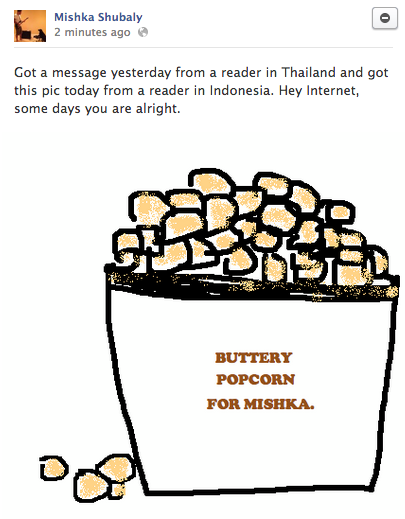
“Please just email me some popcorns as payment,” replied Mishka. And so, I did.

Screen shot 2013-07-13 at 5.51.15 PM

UPDATE, Jul 17, 2013: And Mishka shared this on his Facebook Page. Isn’t he just the sweetest? :’)

Screen shot 2013-07-17 at 1.31.01 PM

hanny
WANT TO SHARE WITH SOMEONE WHO NEED THIS?

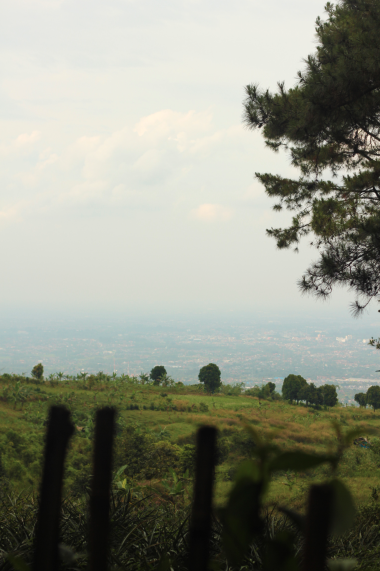
The foot of Mount Salak is only an hour drive away from home, and it provides a wonderful escape from town–or from the now-too-packed Puncak Pass area.

Mount Salak, Bogor

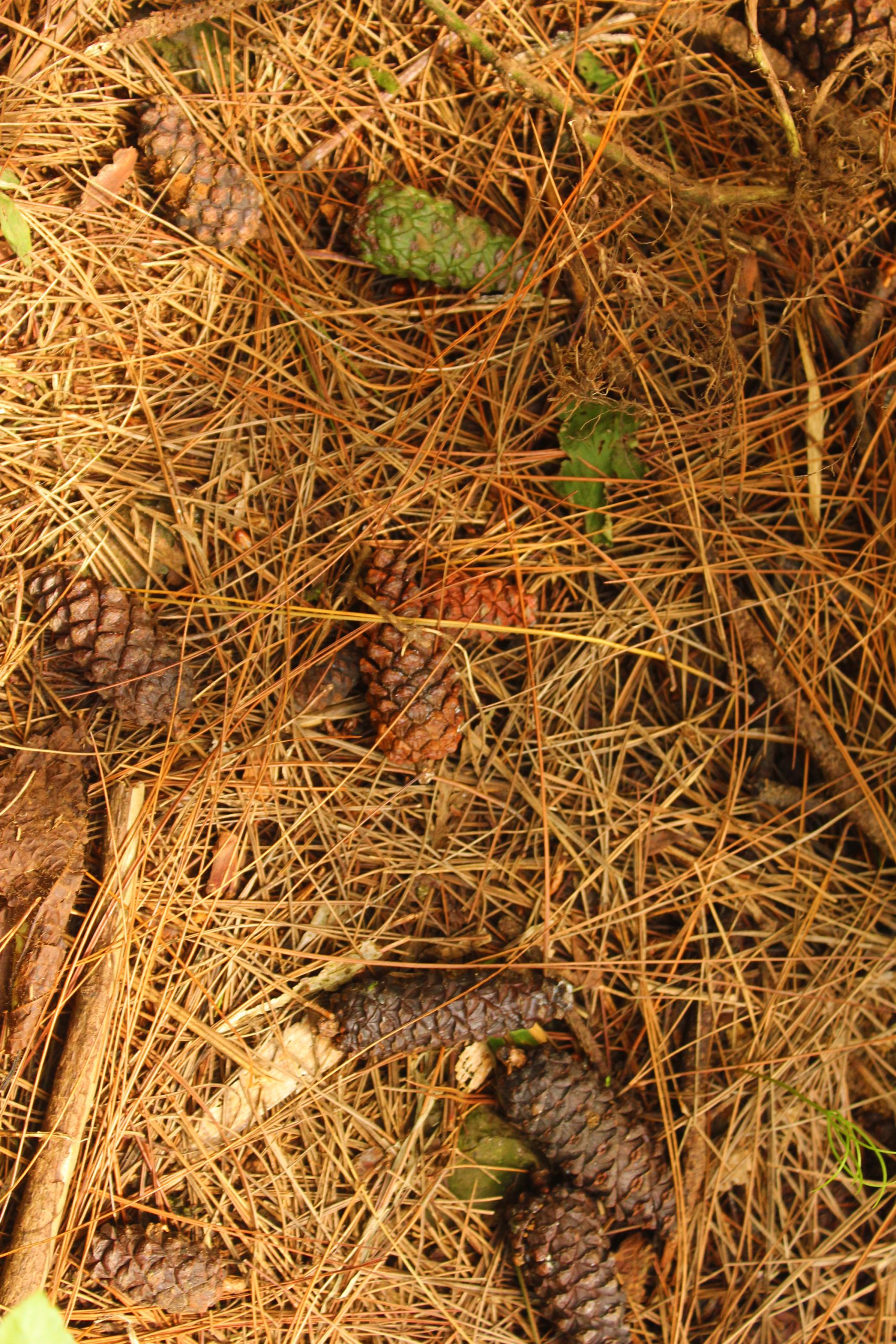
I always find it comforting, to be surrounded by greeneries, enveloped by silence, only to catch the faint sounds of birds, cicadas, and waterfalls. I ran away here one afternoon a few weeks ago with a friend, Martijn. A few slices of yellow watermelons, a pack of grapes, a carton of fruit juice, and Susan Wooldrigde’s Poemcrazy book were resting nicely inside my flowery canvas bag. My head was still spinning with the beautiful words from the book. I remembered one line where Wooldridge quoted Gary Snyde: poetry has an interesting function; it helps people be where they are. And suddenly, my world was bursting with pinecones, the smell of the leaves and the wet soil, the shape of the rocks, the changing colors of the sky…

Screen shot 2013-04-29 at 12.58.40 PM

Mount Salak, Bogor

Martijn Ravesloot

Mount Salak, Bogor

I was sitting on a rock; dipping my toes into the flowing river, while Martijn went underneath the waterfalls. I was thinking about everything that had happened in my life lately: about hellos and farewells, and how curious was it that I kept stumbling upon random people who brought ‘messages’ for me and answered some questions I have pondered upon for a while through simple conversations.

Martin-Waterfalls

Waterflows

Water

Mount Salak, Bogor

I once wrote inside my black travel notebook: what if we think of everyone we meet on our journey as a messenger? What if we don’t bump into them coincidentally? What if they were sent to tell us something, to deliver a message, a lesson… what difference would it make if we stop, say hello, glance a smile, and make that connection? Don’t you think it would make you feel like you are never alone in this world? That every step you make is another chance to learn new life lessons? That everyone of us is, in one and another way, carry ‘The Prophet‘ inside, like that of Gibran’s?

Mount Salak, Bogor

BungaTerompet

Screen shot 2013-04-29 at 1.27.54 PM

Mount Salak, Bogor

Last evening, a girl on Twitter sent me a direct message, and asked, out of the blue, “What should I do when the person I care about decided to disappear?” and I found myself typing away: just pray for them to be alright, and to be happy. Maybe I was talking to myself or hearing myself asking the same question to my other self; this could be more complicated than understanding the flower petals and Fibonacci numbers–but such ‘creepy’ or amazingly coincidental things happened more often in my life lately (oh well, I never believed in coincidences anyway). When I came to think about it, I guess even our prayers (or wishes) define who we are and how we see the world. If you do believe that prayers have such a vast amount of energy that will resonate to the universe and being echoed back to you, you would want to recite beautiful prayers, wouldn’t you?

Mount Salak, Bogor

Screen shot 2013-04-29 at 12.59.22 PM

ViewVilaBotani

hanny
WANT TO SHARE WITH SOMEONE WHO NEED THIS?
Hanny illustrator
Hi. I'm HANNY
I am an Indonesian writer/artist/illustrator and stationery web shop owner (Cafe Analog) based in Amsterdam, the Netherlands. I love facilitating writing/creative workshops and retreats, especially when they are tied to self-exploration and self-expression. In Indonesian, 'beradadisini' means being here. So, here I am, documenting life—one word at a time.

hanny

TAKE WHAT YOU NEED
VISIT THE SHOP