I knew nothing about Kazakhstan, let alone Almaty. I knew that it’s a country located in Central Asia, I knew about President Nazarbayev, and I had heard about the movie Borat (though I haven’t watched the movie—never felt intrigued to do so); but that was all about it. Thus, I was so excited when I got invited to speak at Tech Forum Central Asia (TFCA) 2012 in Almaty, Kazakhstan last June.
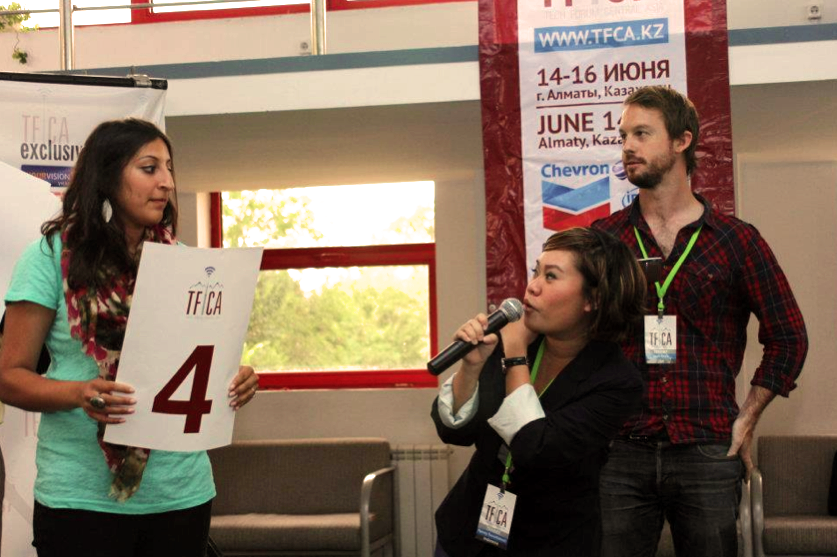
Organized by U.S. Mission to Kazakhstan, in partnership with Civil Alliance of Kazakhstan and KIMEP University, TFCA 2012 brought together youth leaders and activists from the -STAN countries (Kazakhstan, Uzbekistan, Kyrgyztan, Tajikistan, Turkmenistan, Afghanistan, and Pakistan) to meet, discuss, and brainstorm with a group of technologists and fellow activists from all around the globe about the problems they are facing in their respected countries, and how technology can fit in the picture. | *)More about TFCA 2012 can be read here.

So, that was how—more or less, I got myself stranded in Almaty, Kazakhstan.
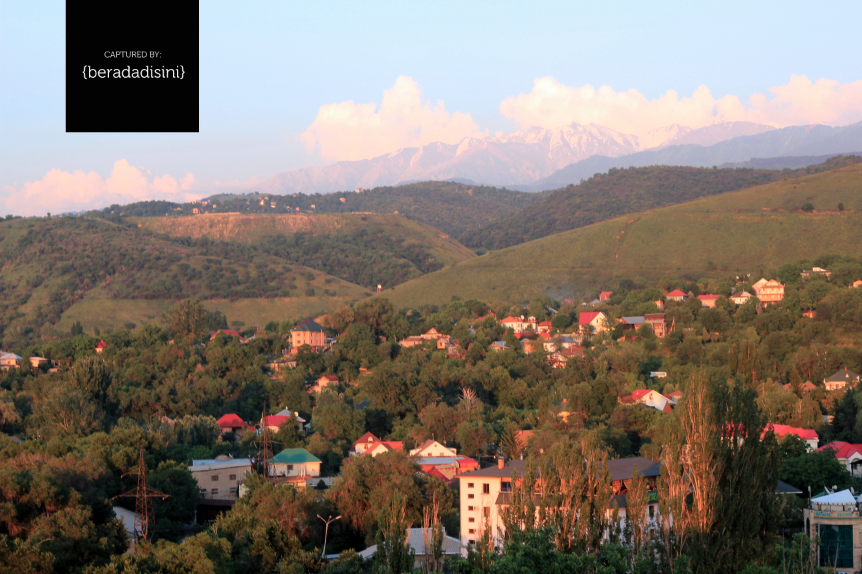
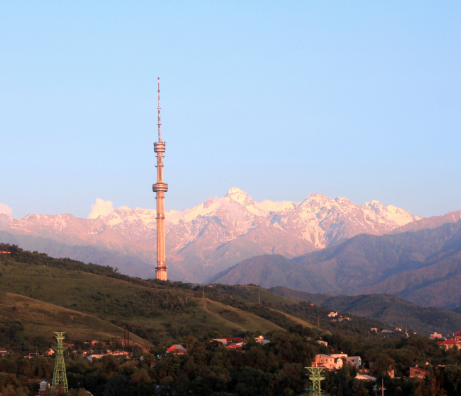
The very first thing I noticed when I landed in Almaty was the fact that people here didn’t speak Kazakh. Being me, of course I had spent 2 days learning “Useful Phrases in Kazakhs” online, but turned out that people in Almaty speaks Russian. It’s kind of challenging to roam around Almaty by yourself if you can’t speak the language. Thus, in the midst of preparing some slides for TFCA 2012, I started all over again; learning Russian in my (thank God it’s wi-fied) hotel room. I should, at least, know how to greet people, introduce myself, saying thank you, ordering basic food in restaurants, and asking for directions. When my eyes got tired, I tiptoed to my room’s window and stood in front of it, swallowing the beautiful view of Almaty’s snow-topped mountain.
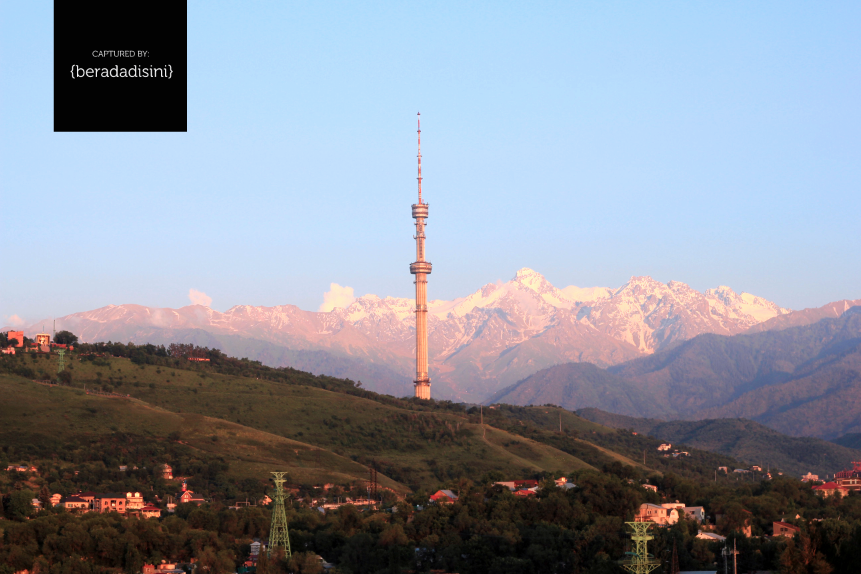
The TV Tower (in the middle) is the symbol of Almaty city (oh, and Almaty means “the valley of apples”). Almaty is a modern city—in one and other way, it’s very Western. The girls are very fashionable. You can see them walking on the street wearing high-heels, dressed in colourful gowns or short pants; with sunglasses on, carrying fancy bag in one hand.

What I love the most from Almaty is the cleanliness and the comfortable sidewalk (which explains why the girls can walk around in stilettos). When my new Kazakh friends asked me what I love the most about Almaty, I cried out whole-heartedly: “The sidewalk!”—and they looked at me as if I were crazy.
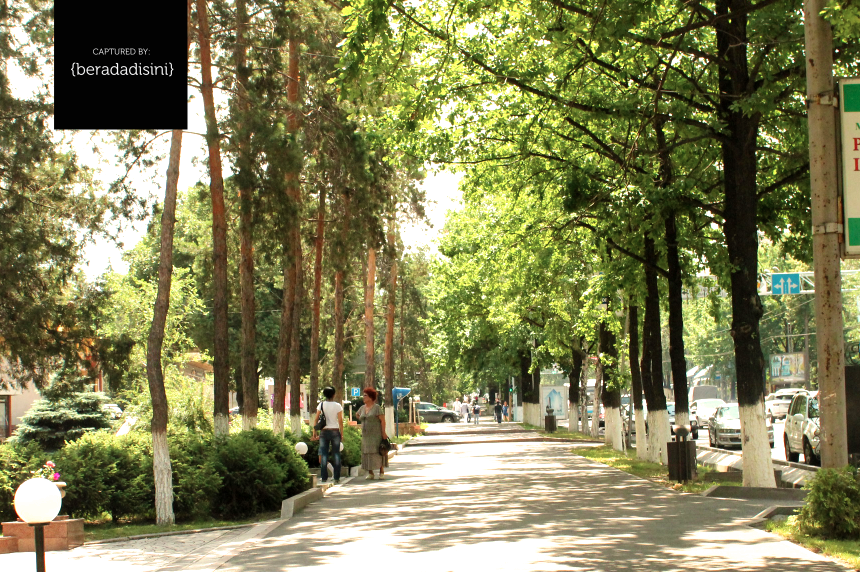
If you don’t like the weather in Almaty, wait for a few more minutes. In mid June, I experienced sunny day, windy day, rainy day, stormy day, and another sunny day in the interval of 5 hours only. The locals said that in the winter, the temperature could drop to as freezing as -40° C (I’ll die!).

Whether you look Asian or Caucasian (or a combination of both), you’ll fit right in Almaty. With my Chinese look, I blended in very well with the locals. Waiters in restaurants handed me Russian menu, some people in the metro station asked me things related to the train’s direction—and looked at me in disbelief (or laughed) when I said: Isvinyih, yanyi gavaru pa Ruski (sorry, I do not speak Russian); pronouncing each word perfectly.

On my third day in Almaty, I found myself tasting this delicious horse-flesh teriyaki at Le Dome restaurant.
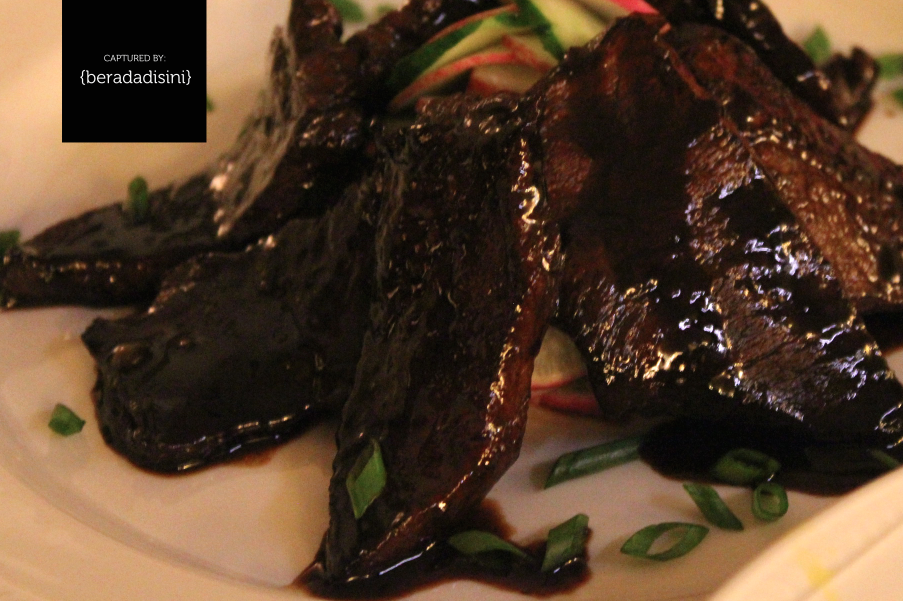
Horse meat is common in most restaurants in Almaty. I had never tasted horse meat before, so I didn’t expect it to be so tender and delicious!

My encounter with food was how I learned about prices in Almaty. Almaty—I found out about it way too late—was actually one of the most expensive city in the world. The food here is more expensive than Europe (well, at least compared to Spain, Portugal and Greece). For a decent meal, you could spend US$20-35; and for a more lavish meal in a nice restaurant with dessert and fresh juice, you could spend around US$40-70. Not only food. Prices of fruits, vegetables, accessories and fashion items would make you frown as well. A lot of goods in Almaty were imported from other countries, like Uzbekistan. That’s why the prices are rocketing. So, what’s cheap in Almaty? Well, there are three things: chocolate, liquors and caviar.
During my Almaty days, I stayed at Hotel Kazakhstan. This was the hotel where other speakers of TFCA 2012 were staying as well. The hotel used to be the tallest building in Almaty.

Right next to the hotel was this fast-food chain called Noodles and the coffee shop, Gloria Jean’s. TFCA 2012’s speakers (well, including myself) retreated here from time to time to grab a quick lunch or pick up our morning coffee.

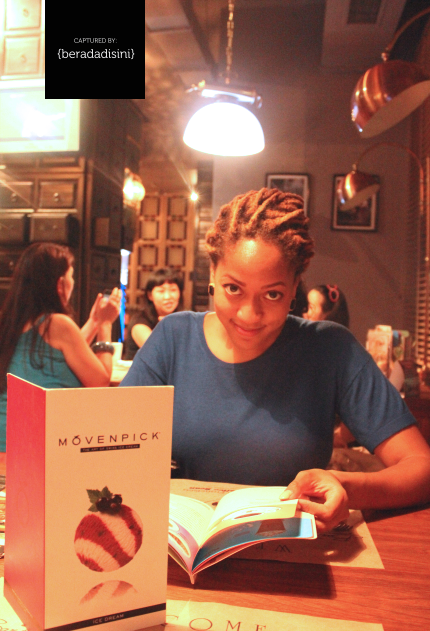
They also served Movenpick “Ice Dream” here (yes, they called it ice-dream). Around midnight, I found myself stranded here with Brittanie, attacking ice-cream and apple pies. The ice-cream and apple pies were just extremely good.

Once TFCA 2012 was finished; I gave myself 5 more days to explore Almaty. Everyone was surprised when they heard about this. They asked me what would I do with my remaining 5 days. I said, really… I don’t know. I didn’t have any fixed plans back then. I might go to the mountains or to the lake, or to the conservation area… or just hanging around town, taking pictures and reading books.

“But, why?” people asked. “But, why not?” I answered.

So, how did I actually spend my remaining 5 days in Almaty?
hanny
WANT TO SHARE WITH SOMEONE WHO NEED THIS?

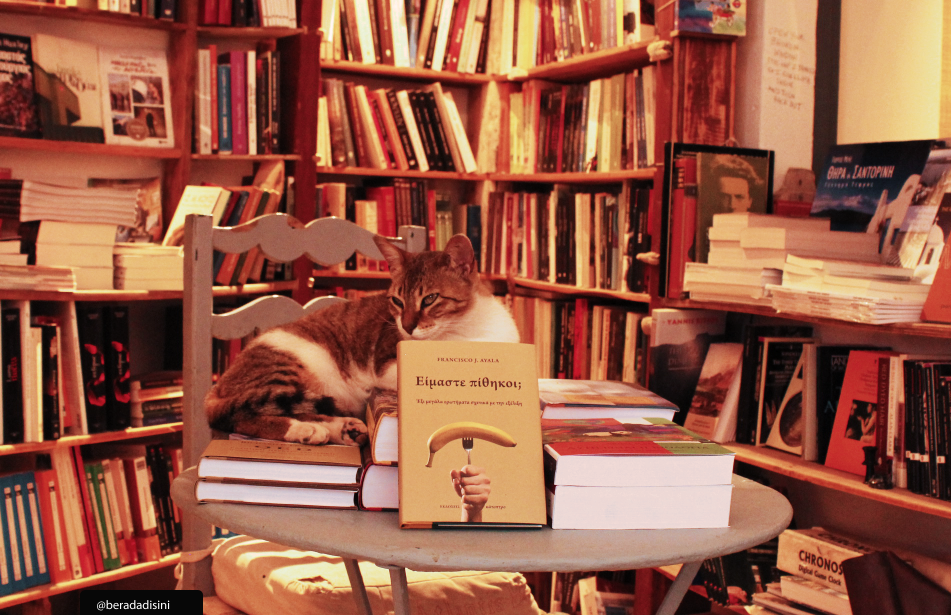
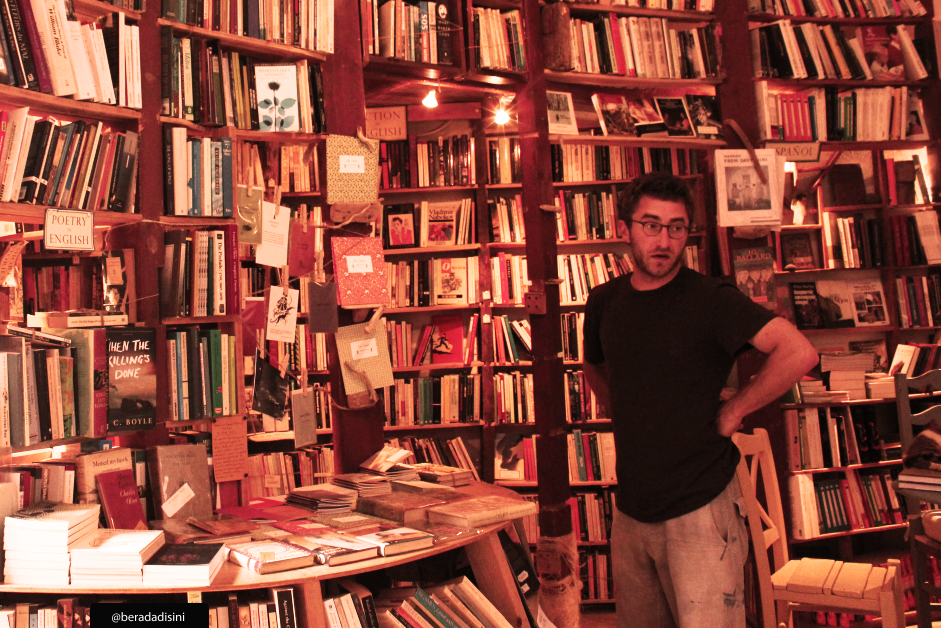
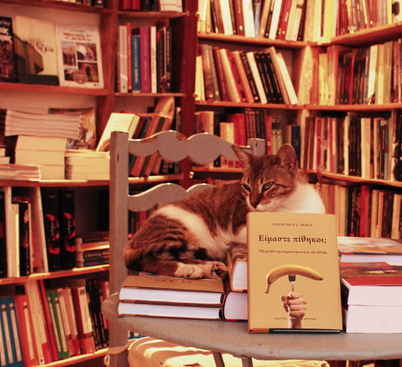
Wherever I go, I always find myself being drawn by tiny old-looking bookshop. Of course, gigantic bookstores like Kinokuniya or Taipei’s 7-storey high Eslite are amazing and jaw-dropping. But there’s always something romantic about a small bookshop. You can sense this personal touch, you can more or less gauge the characteristics of the owner. All the things he/she sell is a reflection of who he/she is: the title of the books, the way the bookshop is decorated, the shelving system, the items being displayed behind the window, the way he/she greets people… each and every little details convey a story.

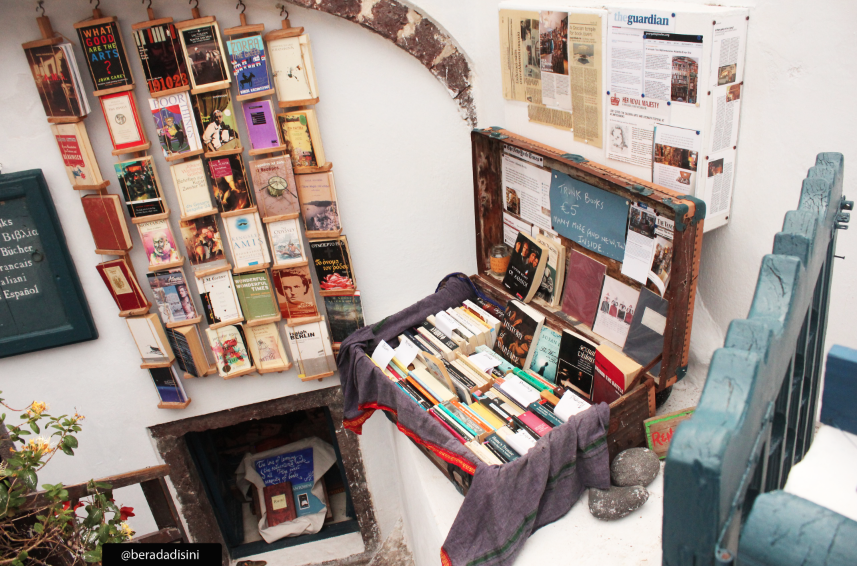
Santorini holds two precious little bookshop I adore so much. The hidden jewel (just like what its name suggest), Atlantis Books in Oia and Books & Style in Fira—not far from the bus station (the owner of the bookshop is the one who gave me Karagkiozis wooden puppet as a gift, and I gave him a bottle of Vinsanto as a parting gift before I left).

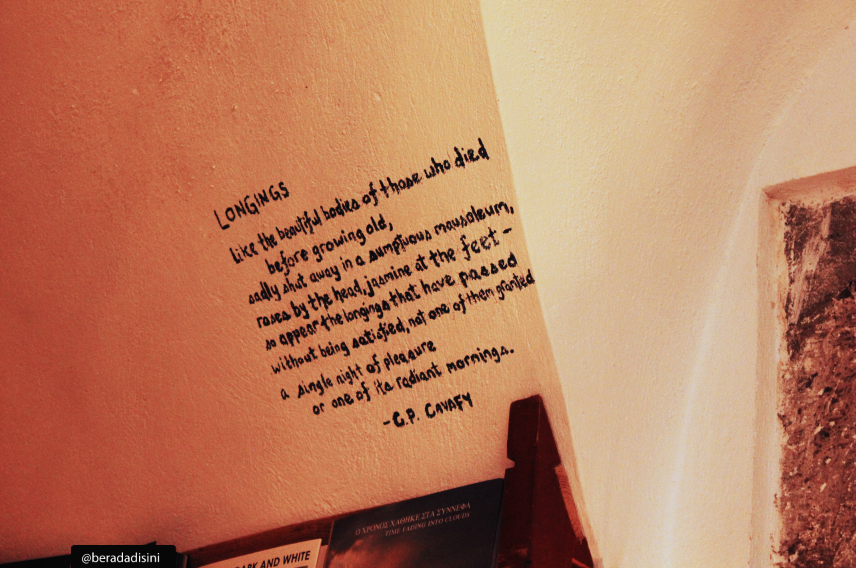
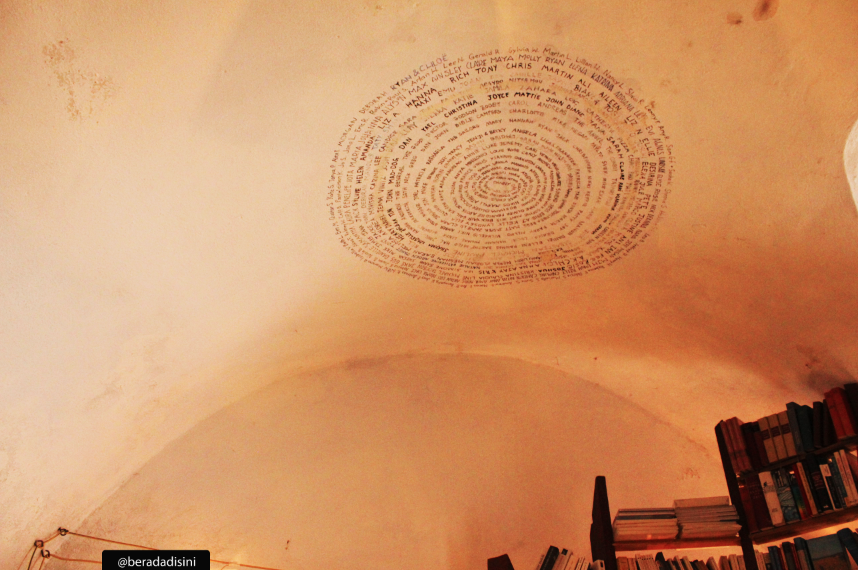
Atlantis Books is a true hidden treasure. You could miss it easily as you walked by those colorful tiny shops in Oia’s alleyways. But I always think that I’m a bookshop owner in my past life. Books are calling me. Bookshops are my sanctuary. And that’s how I found Atlantis Books that windy afternoon, climbed down the stairs to their magical blue door, and as I stepped in, I realized: heaven must look like this.

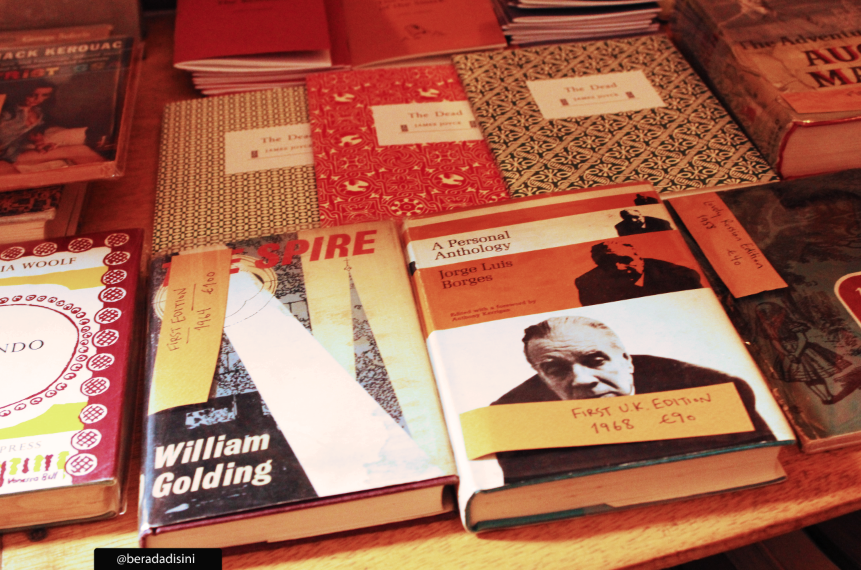
When it comes to books and reading, I love it the traditional way. Looking at those crumpled cover, caressing the flipped pages, reading the notes written on the side of the page with a pencil, laughing at the coffee stains, smelling the damp paper—vintage books get me high! And Atlantis Books is heaven because they have these vintage collections and some classic’s first editions. True gem.

The story behind this bookshop—as appear in their official site, is even more romantic:

“In the spring of 2002, Oliver and Craig spent a week on the island of Santorini. The land inspired them and there was no bookshop, so they drank some wine and decided to open one. Oliver named it Atlantis Books and the two laughed about how their children would run it someday. In England, Tim took Craig for a walk along the Sussex coast. Craig told Tim about the bookshop and Would he like to build it. Tim said Great!

For a year the idea percolated as Craig and Oliver went about graduating from university. Around his thesis deadline Craig called Chris and talked about the bookshop. Chris said Can I come?

An email from Jenny went like this: Maria and Craig, I’m introducing you both. Maria, Craig’s going to Paris in December and thence to Santorini. Craig, Maria is from Cyprus and is English Literature & bookshop employee extraordinaire. Love you both, J.

The four boys and Maria devoted six months to saving money, finding books, settling debts, writing and reading and thinking. Tim borrowed a van named Danny. Will offered to design a website and a wave logo and said Could I come along.

New Year’s Morn, Quinn packed Danny, waved us off and we ploughed across the continent and landed in Oia. We found an empty building facing the sunset, drank some whiskey and signed a lease. We found a dog and cat, opened a bank account, applied for a business license, found some friends, built the shelves, landed a boat on the terrace and filled the place with books. Jenny came in April and painted everything blue.

Atlantis Books opened in the spring of 2004 and lived below the castle for one year. In the winter of 2005  we moved into the center of town and settled nicely into the community. We’ve had food festivals and film festivals, writers reading on the terrace, and a host of cats and dogs.

The bookshop feels like home now and we’re still laughing about how our children will run it someday. As Will says, it’s as easy as that. As you. As that.”

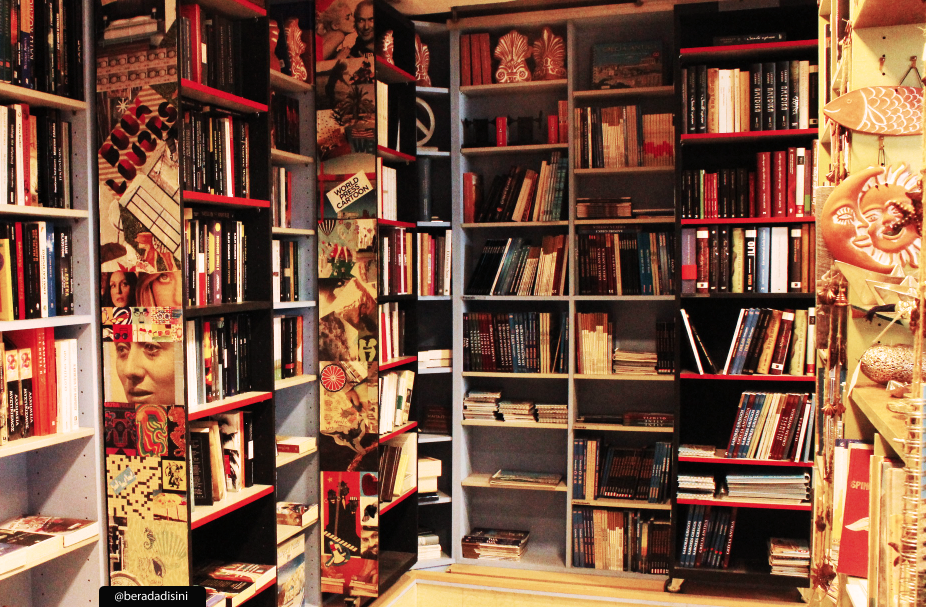
Books & Style is nostalgic in its own humble way. It reminds me of the little bookshops in my hometown where my parents used to take me. Apart from some lovely postcards, they have children’s corner (where I found the Greek edition of The Little Prince to complete my friend’s The-Little-Prince-book collection), wooden souvenirs, as well as recipe books. But what I love the most is the watercolour paintings and the vintage-looking tin cans/boxes. They are so beautiful!


I’m still holding on to this all-time dream: to open up a small bookshop with a small cafe inside it (and I always believe that I’ll meet my soul-mate in a bookshop!). Wish me luck!

——————————-

More in this series:

hanny
WANT TO SHARE WITH SOMEONE WHO NEED THIS?

In the end, it is not about the city, nor the streets. It is also not about those picturesque hills or beaches or mountains. And it is not about the local food or delicacies, traditional dances or performances. It is definitely not about the tourist attraction, nor the hidden exotic spots. And, surprisingly, it is not even about the photographs you have taken, no matter how wonderful they turned out to be.

It is always—always, about the people you meet along the way.

From my previous travelling journeys, I realized that the places I cherish the most are places with names and faces; places where stories and dreams are being shared with someone you have just met for the very first time; places where you arrive as a stranger and depart as a dear friend. It is that connection that matters. It is that warm feeling of friendship that lingers—even long after the post-journey excitement fades away. It is that kind of feeling that stays with me after I got back from visiting Karachi, Pakistan, June last year; and it is also that kind of feeling that remains as I was sitting on the plane, leaving Santorini behind.

It is about G, and our casual talk at the reception area.

About how he introduced me to his friends and showed me the best spots in town to eat, hang out, or take beautiful pictures. About how he wanted me to bring a bottle of his family’s wine back home. About how he gave me his phone number and said, “Anytime you need anything, just call. I’m available 24 hours.”

It is about AD who greeted me every morning just because I always walked past his place on my way to the bus station. It is about our small talk every day when he asked me where I would go that day and what I had seen yesterday before giving me that pleasant smile and shouted, “Have a nice day!”—while waving his hands cheerily.

It is about AP who came to my table when I dine at his place. About how he thanked me for coming and told me stories about how he went fishing in the morning and caught the now-grilled sea bass I was eating. About how he told me that the baklava I ordered for dessert was a treat from him.

It is about MS who welcomed me at his tavern and said that he remembered me (“You’re staying at G’s place!”) and sent a free Vinsanto wine to my table when I finished my meal.

It is about F who was watering his plants when I passed by his house. About how he asked, “Hello, everything’s alright?” because he thought I was lost. It is about how we chatted after I told him that I was not lost; I was just wandering around the alleyways to take pictures of people’s fences, doors, and windows.

It is about MA who shouted, “Apa kabar?” whenever I passed by her little shop after she learnt that I am from Indonesia.

It is about O, a friend of G, who gave me a crash course in Greek.

It is about the guy at the bookshop who pulled out a wooden puppet from somewhere and asked me, “Do you know Karagkiozis?”—and when I shook my head, he said that Karagkiozis is a kind of shadow play from Greece.

About how you can move the wooden puppet by pulling on the strings attached to it. “It is played behind a white screen, so people only see the shadows,” he explained, before slipping the wooden puppet into my shopping bag and said, “This is for you. A gift from Santorini!”

In the end, it is all about the people. It is always about the people.

They are the ones who make your journey memorable. They are ones who teach you something new, who enable you to see the world from a different perspective, who send subtle messages that somehow feel relevant to your life. They are the ones who shape the faces of your journeys. They stay with you throughout, because somehow—no matter how brief their kindness had brushed up on you, they have left a part of themselves in you. And whether you realize it or not, you have also left a part of yourself in them.

And that’s exactly why, no matter where you are, whether you’re heading out on a new journey or simply going back from one, you will always feel at home.

____

Also in this series:

hanny
WANT TO SHARE WITH SOMEONE WHO NEED THIS?

These past few days have turned to be the most wonderful days in my life ever; a series of non-stop uber-sweet moments full of loving surprises. I feel so blessed; and so loved.

The Reunion

I landed in Kuala Lumpur last Saturday and had a reunion with some good friends. It was a lovely one; as we had the chance to just chill out while sharing stories about our lives—something that we missed in several other journeys we’ve shared before. The moment reminded me (again), to embrace the opportunity to connect.

We’ll never know how much time is left, whether we’ll see the person we’re with at the moment ever again; thus, don’t waste your time to hold things back. Say the things you’d like to say, do the things you’d like to do, like what my best friend once said, “It’s better to live your life in whatever than in what-ifs.”

Malaysia Social Media Week 2012

On Monday, I was speaking at an awesome event, Malaysia’s Social Media Week 2012 at PWTC, sharing the panel on brand and storytelling with Dave Duarte, the Managing Director of Ogilvy South Africa (Dave, you’re the coolest and the best moderator, ever!), Ryan Hayward, the Asia Pacific Product Marketing Manager of Google+, and Willy Lim, the co-founder of NetProfitQuest.

That day, I shared about how the principles used in fairy tales can actually be adopted by brands/companies/organizations in designing their social media activities. Came to think about it, we all love fairy tales, right? It sticks with us until the longest time: the story, the names of the characters, the setting, the illustrations… dissecting fairy tales and learning about each elements inside it can actually help us (well, me) in designing a social media activity that—just like fairy tales, will stick. Something beautiful, simple, and memorable. Something you’d find entertaining to be retold, to be shared…

OK, enough, I’ll write more about this at the Raconteur‘s blog in a few days. At the moment, I’d just like to say thank you, thank you so much, for all the participants of Malaysia’s Social Media Week conference who came to me after the talk; especially those who told me that they have found the inspiration they need in the fairy tale analogy I shared, and gave me some big hugs! It felt awesome! I truly appreciated your appreciation and enthusiasm. I was humbled. Oh, and thank you to the MC, Terence, who was being so sweet in nicknaming me Fairytale Princess :”)

Valentine’s Day

More sweet surprises came over me on Valentine’s Day: from the lovely pink rose and fun karaoke session to Valentine dinner + movies with friends (that was full of laughter!) and some sugary-sweet gift-exchange moments with best friends: I got a dress and a cute owl necklace! *hoot*

Strings

The magnificent closing of these amazing days happened on Wednesday morning, as I reached Jakarta from Kuala Lumpur. My lovely friend, Sundus Rasheed, who worked in CityFM89 radio in Karachi, called me up to get me on-air, live, with Strings—a Pakistani rock band that I love! ^^

Hosted by the ever-friendly Khalid Malik (Khalid, yaar, we’ve never met before, but I owe you one!), I got the chance not only to talk to Bilal Maqsood (guitarist) and Faisal Kapadia (vocalist), but also, being the nicest person ever, Bilal generously offered an opportunity to do an on-air duet with me, to sing one of their most popular song, Mera Bichra Yaar (A Long Lost Friend)! :’O It was the sweetest moment I’ve experienced in my life, ever! *crying* And this is the snapshots of Khalid (the DJ), Bilal and Faisal inside the radio station, when Bilal and I were singing together, via phone :’)

So, today, I can only say thank you—and really, THANK YOU, for those of you who have made my day (and you know exactly who you are). I love you, and I’m so blessed to know you all :’)

– one morning in Jakarta, with a cup of hot coffee and some loving memories –

hanny
WANT TO SHARE WITH SOMEONE WHO NEED THIS?

A DANCER.

A dancer discovers music everywhere. He knows that life in itself is an orchestra of nature’s instruments, a collection of the universe’s melodies. He sees everything around him moving rhythmically as if all things have their own cadence.

A dancer knows that this is how life works: it works in a flowing motion. Like a trained dancer, his very own reflex is to feel the beat, follow the melody and move along with the rhythm. He doesn’t fight the music, but drowns himself in it instead, savoring every note with style, as if it were the last few notes on earth. He flutters around with the music of life pulsating in his veins: the excitement, the joy, the energy: the giving away of every inch of muscles, every bead of sweat, every particle of mind.

A dancer understands perfectly that the key to everything lies in harmony, balance, and a splash of spontaneity. He knows that life is the magical tunes he had been carrying in his heart since the day he was born, and as always, he will only need to follow the tempo, surrender to the sensation and dance it away.

A SKY-GAZER.

A sky-gazer knows that looking out into space is like looking back in time. On a starry night, he’s the one who will be touched by the romantic melancholy of how the stars could have actually died a very long time ago, way before its light reached his very eyes.

A sky-gazer, thus, appreciates how his past defines the way he sees the world as he sees it now. He understands the beauty of embracing what’s gone, not to be replaced by something else (because he believes that the things of the past are irreplaceable), but to be carried inside his heart: a keepsake as he walks his way to the future. At times, it serves as a reminder—to live life to the fullest, to not holding back too much; and at other times as a blanket—to keep him warm with loving memories or to snuggle inside when things become ugly.

A sky-gazer knows that looking at the future is like gazing at the night sky. Deep down inside, we’re actually looking back in time to who we were and who we used to be. A sky-gazer receives this knowledge like something that has been written in his DNA: that life always flows to the future carrying everything from the past along, and nothing is left behind.

A LOVER.

A lover loves and nothing else matters. He knows that love isn’t pink; it can be black or white or maroon and other times bluish purple. He accepts the fact that love draws tears as much as it draws laughter, but he doesn’t mind. He understands that roses have thorns and that thorns have roses. A lover realizes the perfection that lies behind tiny imperfections, the flickers of words beneath those shy-looking eyelashes, the thirst of grape-flavored kisses inside empty wine glasses, the yearning of togetherness beyond every goodbye clenches.

A lover falls for the beauty of an unmade bed and stains of paints on a white fence, the solitude of a buzzing traffic jam and cries of seagulls above the sand, the charm of getting soaked under the rain and playing catch under the blazing sun, the fondness of plunging into a quarrel and feeling the pain of a mistake unrepaired. A lover appreciates sadness as a way to alleviate the beloved’s tears and embraces happiness as a reason to shower the beloved with marshmallow-tempered caresses and sweet-sugary sentences.

A lover knows that he has no other thirst but to love—even when he realizes that the thirst will never get quenched.

A lover loves and nothing else matters.

———————————–

*) a gift for a dancer, a sky-gazer, a lover, and a very dear friend. Kuala Lumpur, February 2012.

hanny
WANT TO SHARE WITH SOMEONE WHO NEED THIS?

Indeed, the eastern part of Indonesia is breathtakingly beautiful! I have always wanted to visit the faraway Molucca Archipelago—well-known for its wonderful beaches and magical underwater views; one of the best site for diving in the world, according to my diver friends.

And I was lucky for being able to set foot there!

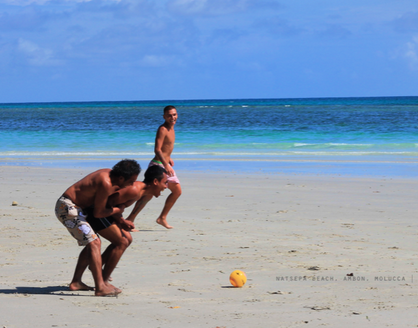
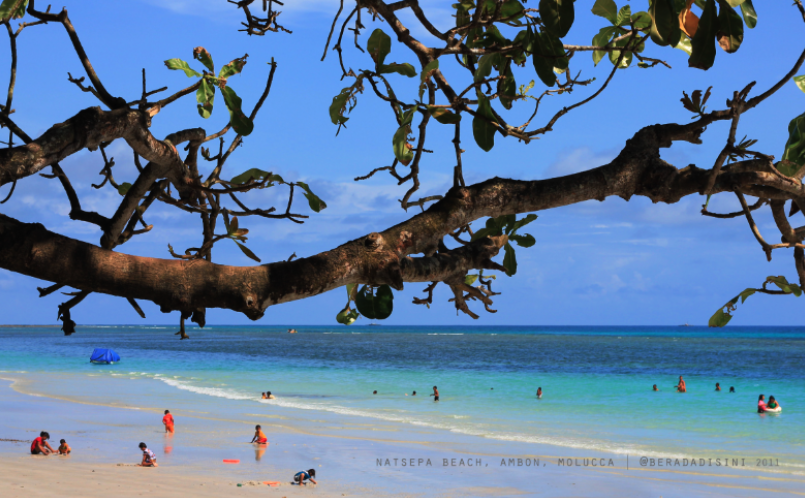
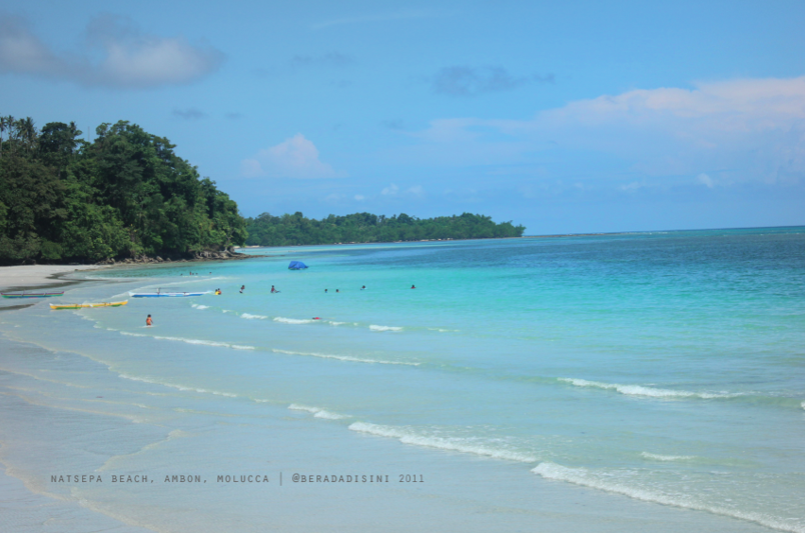
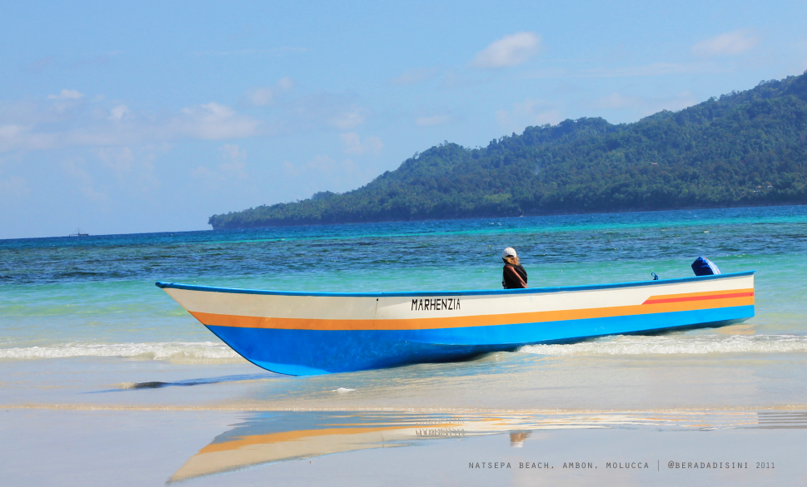
From the city center of Ambon or from the Pattimura Airport, it took only 30-45 minutes by car to reach this magical Natsepa Beach.

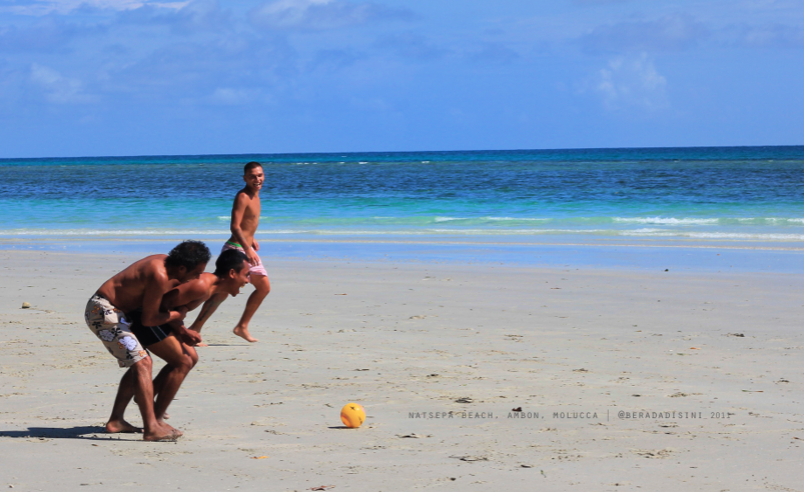
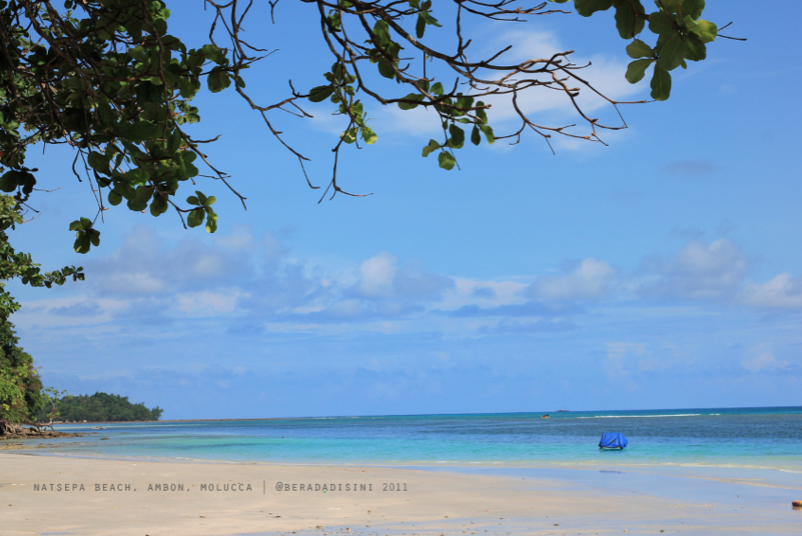
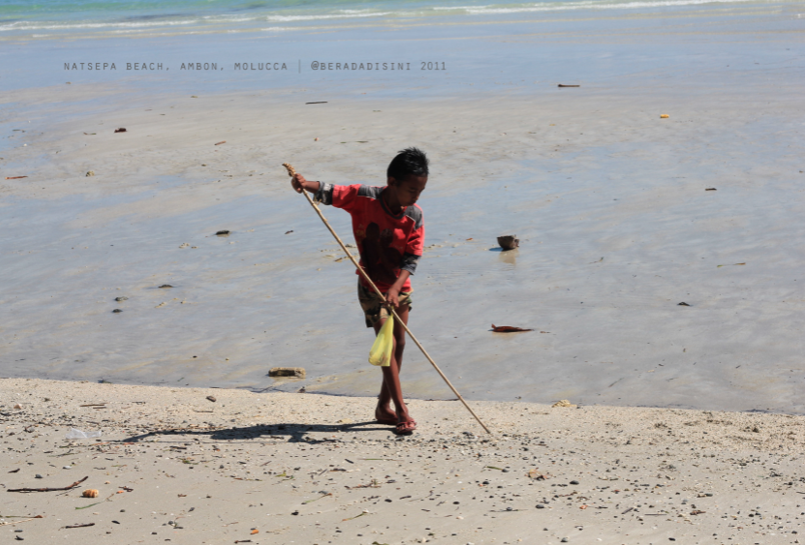
After paying an entrance fee of IDR 2,000 (or around US$ 0.2), you can enjoy the stretch of white sand and the seductive view of the faraway hills. The sea is calm and the water is clean, very ideal for bathing and swimming. Trees are growing along the beach, perfect for a shelter from the sun!

Ambon had suffered from ethno-religious clashes—the worst took place in 1999 (until recently, some countries are still issuing travel warnings for their citizens who’d like to travel to this part of Indonesia). Since then, several parties have been trying to shake the city’s peacefulness. However, the youths in Ambon won’t let it happen. Consisting of youths from different social classes, religions and backgrounds, they are trying to promote tolerance and respect through a peaceful movement, Badati Ambon.

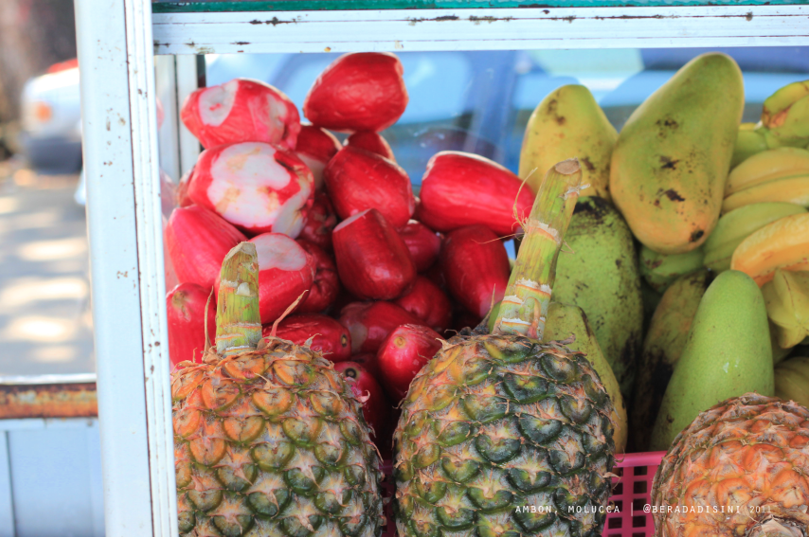
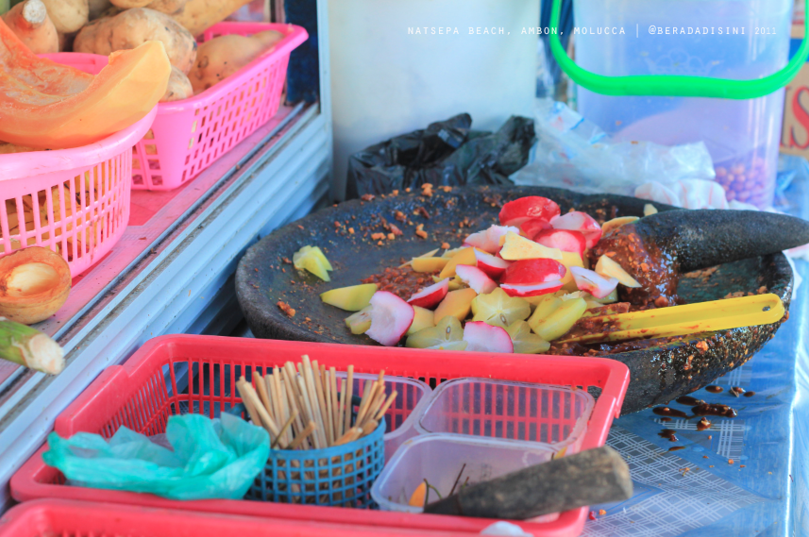
When you’re visiting Natsepa Beach in Ambon, you have to try the famous Rujak Natsepa. There are tents along the front of the beach, with local women behind a stack of fresh fruits, selling traditional fruit salad called ‘rujak’–a suitable treat after a sunny day at the beach.

Rujak Natsepa is made of a mixture of tropical fruits: pineapple, mango, starfruit, papaya, rose apple (water guava), bangkuang (jicama/mexican turnip), and cucumber. These sliced fruits are then mixed with a paste of peanuts and brown sugar; you can choose whether you’d like to add some chili into it or not. For a plate of fresh and fruity Rujak Natsepa, you need to pay around IDR 10,000 or US$ 1.

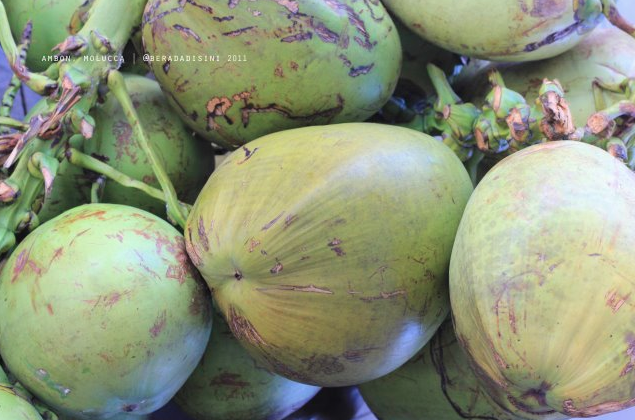
And sipping fresh coconut afterwards? 🙂

Early in the morning, you can also walk around the traditional street-market and find fresh vegetables/spices, as well as fresh/salted fish! Ambon is a heaven for seafood lovers! 🙂

Let’s go exploring more beautiful places in the eastern part of the country! (As for the travel warning, the only warning I’d like to give you is: you wouldn’t want to go home after this).

————–

*) special thanks to Almascatie and friends from Badati Ambon for the hospitality 🙂

hanny
WANT TO SHARE WITH SOMEONE WHO NEED THIS?

Going there.

It takes you 1.5 – 2 hours by car from Lombok International Airport to reach Bangsal port—where wooden boats are lining up, ready to transport you to Gili Trawangan. For the car-ride, you can choose between two routes: either passing the monkey forest or Senggigi beach. If you’re in a hurry to catch a boat to Gili Islands, you better choose the monkey forest route as it will save you more time (and you can take pictures of the monkeys along the way!).

Bangsal Port in Lombok.

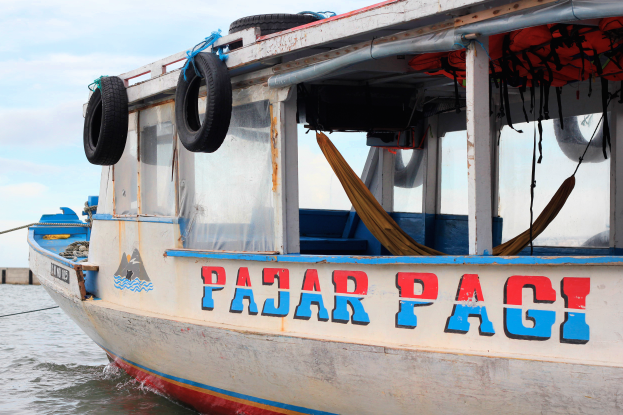
Every half an hour, there will be a boat leaving from Bangsal port to Gili Trawangan. You can buy a ticket for IDR 10,000 (or around US$ 1.2). The boat will carry tourists, locals, as well as bicycles and vegetables. In around 20 – 30 minutes, you’ll reach Gili Trawangan.

The boat that will take you to Gili Trawangan.

Gili Trawangan

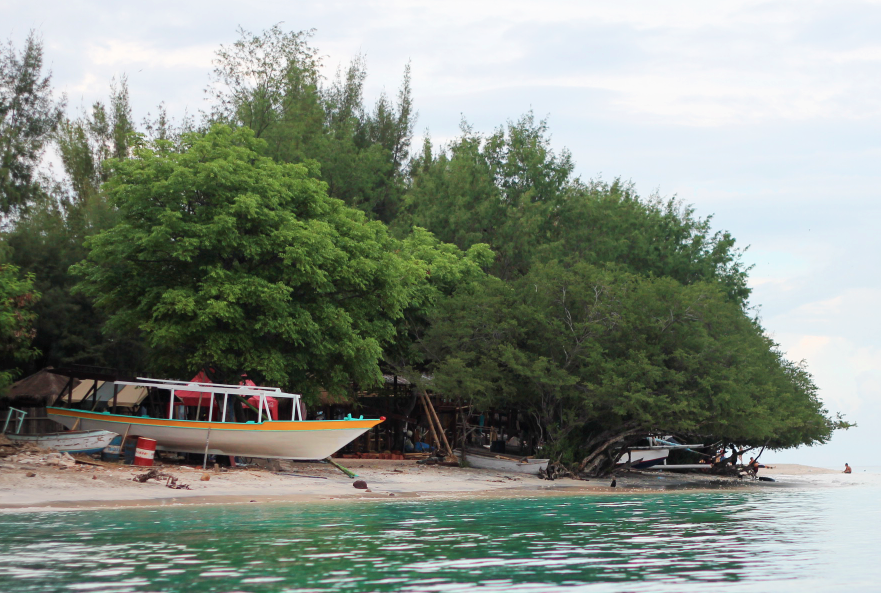
Gili Trawangan is one of three islands in Gili, the two others are Gili Air and Gili Meno. If you prefer to have a more secluded atmosphere during your stay, Gili Air and Gili Meno will be a better option. Gili Trawangan is relatively more lively, with rows of cafes, restaurants and bars, that open for 24/7.

Gili Trawangan. The village is hidden behind the lush canopy of green.

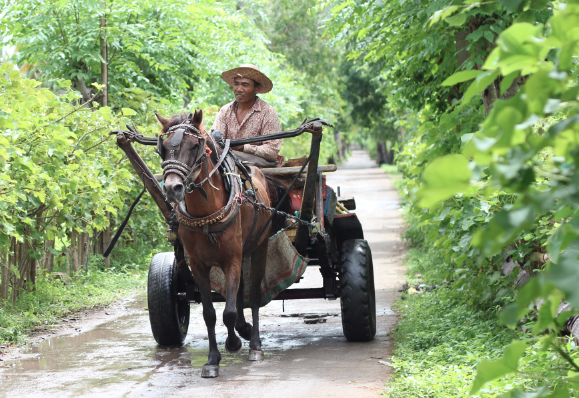
Gili Trawangan is a small island. You can go around the island for 2-3 hours by bike. Cidomo is how the locals call their most ‘lavish’ mode of transportation: horse cart/wagon. Usually it will cost you IDR 50,000,- per trip (US$ 5). Apart from horse cart, you can either rent a bike for a day, or simply walk around. There’s no car or motorcycle in Gili Trawangan. The air is definitely not being polluted by motor vehicles’ exhausts, but you just need to get yourself used to the smell of horse’s feces 😀

Cidomo, or the horse cart.

The village

If you don’t mind to get your feet soaked in mud, walking around the village early in the morning can be a bliss. Just watch your step and be mindful to the sound of cidomo approaching from in front/behind you, then step aside. The people in the village are very polite and friendly; you won’t get a stare/impolite comments though you’re a girl strolling around by yourself. If you smile, they’ll nod and smile back.

Here are some of the gorgeous views I captured during my morning walk:

The chickens.
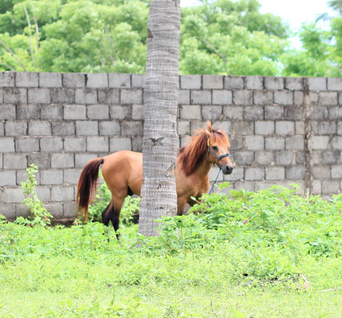
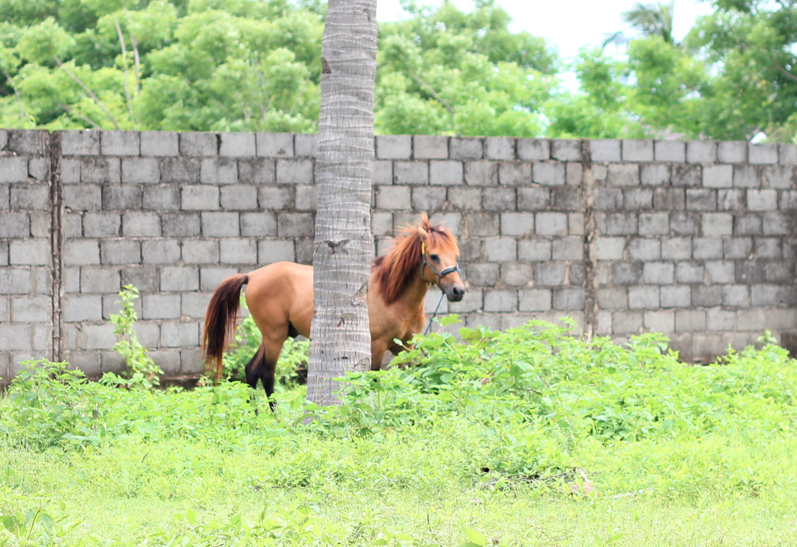
The pretty horse. Disney-like, don’t you think?
This is the way people transport goods around the island.
The droplets left by the morning rain.

There are no police officers in Gili Trawangan. According to the Cidomo driver, having police officers around make people think that the island is not safe. Usually, the locals will catch the robbers/pickpockets by themselves, beat them up to teach them a lesson, and then they will be humiliated by being ‘paraded’ all around the island. Does this kind of law-enforcement work? Probably so. My friend lost her wallet in the afternoon, and later in the evening, a Cidomo driver actually returned the wallet back to the hotel where we stayed.

The restaurants.

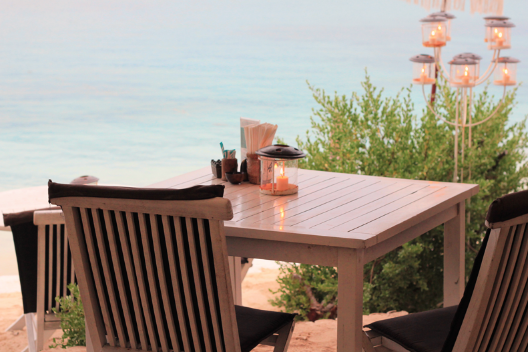
Along the beach, you can find stretch of restaurants, cafes, and bars.

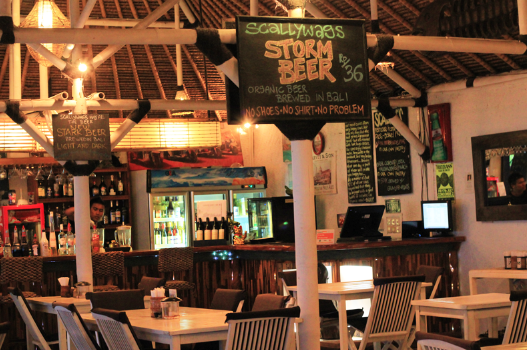
If you’re into organic and healthy food, you can stop by at Egoiste; and if you’d like to enjoy the best grilled seafood in Gili Trawangan, drop by at Scallywags after 6 pm, and pick your own lobsters/fishes (the restaurant is open since early morning, but the grilled menu will only be served after 6)!

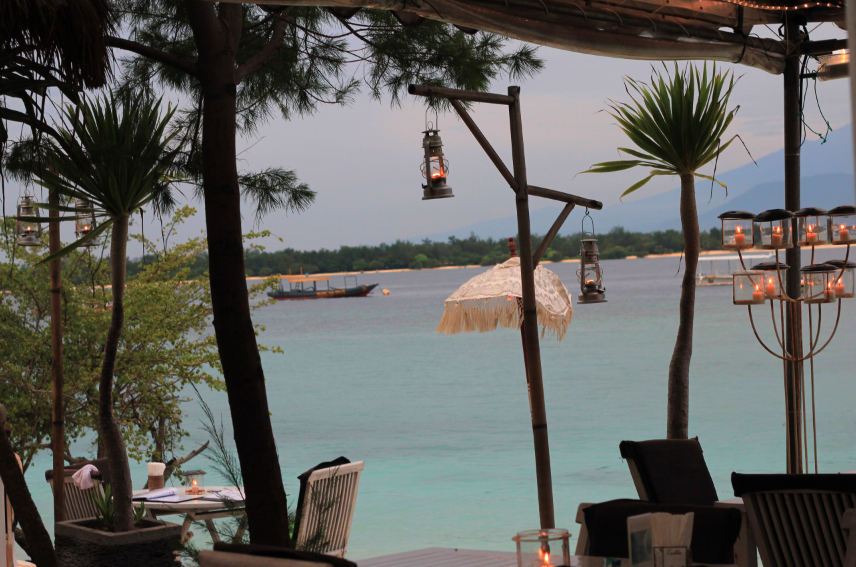
The view from Scallywags. How lovely!
Storm beer: an organic beer brewed in Bali, served at Scallywags
Fresh lobster at Scallywags, ready to be grilled.
All the fish is caught in local waters, using environmentally friendly methods.
Before sunset at Scallywags.
Free salad bar at Scallywags.

Don’t forget to enjoy the famous Gili Gelato for dessert afterwards; you can find their ice-cream counter along this stretch.

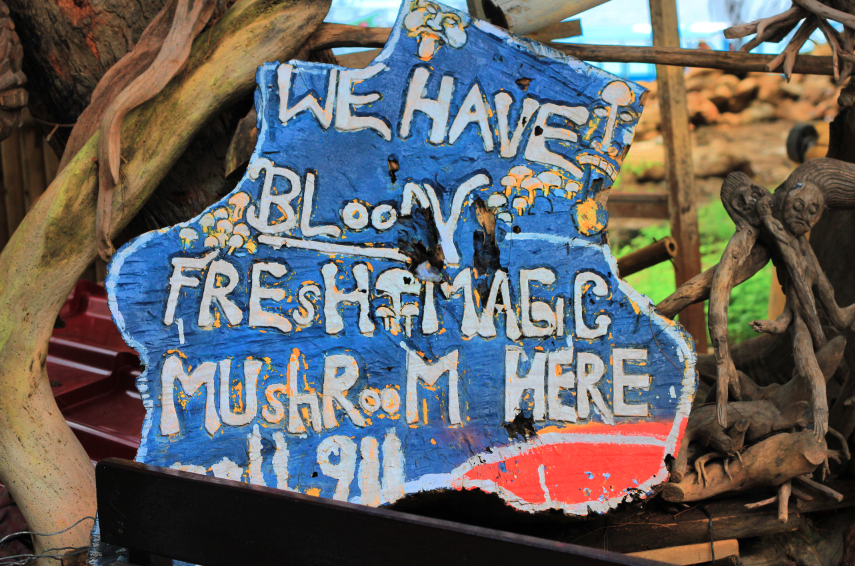
If you’re into psychedelic experience (unfortunately, I got high only by looking at the ocean!), magic mushroom (Psilocybin) is sold free in small shops/marts. A bottle of ‘mushroom juice’ (the size of small mineral water bottle) is sold for IDR 200,000 (US$ 23). In bars and restaurants, they are also offering marijuana quite freely, especially to foreign tourists.

Magic mushroom.

The Internet connection

Should you need to connect the Internet, there are lots of cafes/restaurants with free wi-fi access. But I should remind you: it won’t really work. If you really need a relatively reliable connection, go to the Internet cafes. You rent a computer and the Internet connection for around IDR 24,000 per hour (US$ 2.8).

The beach

What can I say? This is one of the reasons why people come to visit Gili Trawangan at the first place 🙂 Should you like to dive, go visit Trawangan Dive (find Graham if he’s around)—and they’ll help you with everything: from planning your diving trip to preparing all the equipments needed.
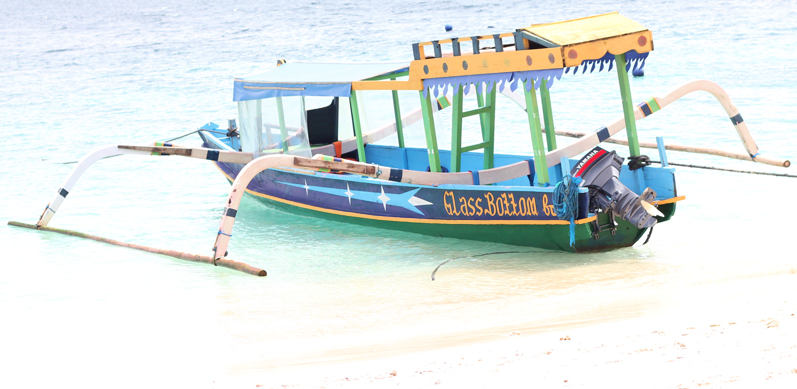
The glass-bottom boat.
Lovely afternoon by the beach.
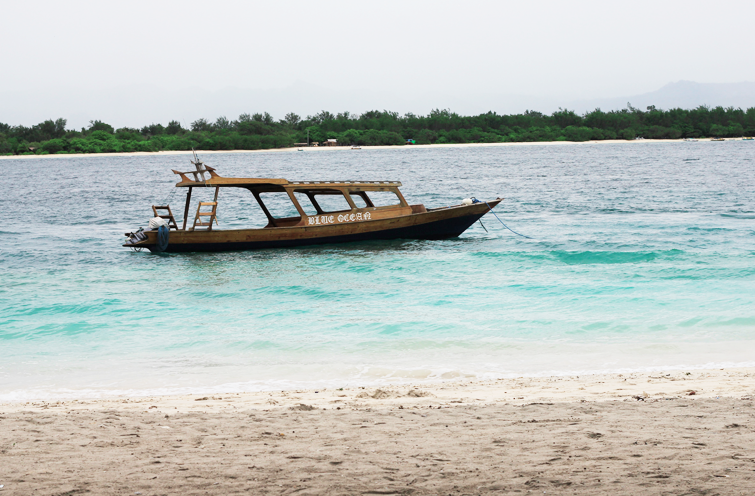
The boat.
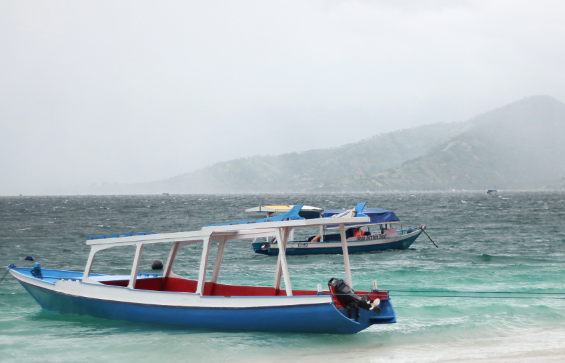
The mist came down in the afternoon.
Just perfect for swimming and sunbathing.
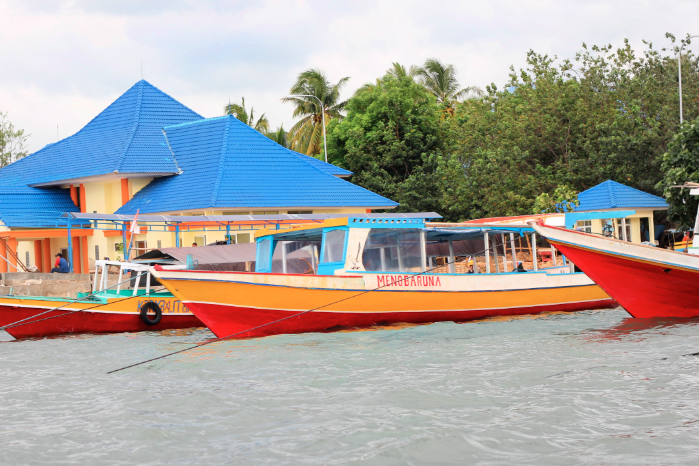
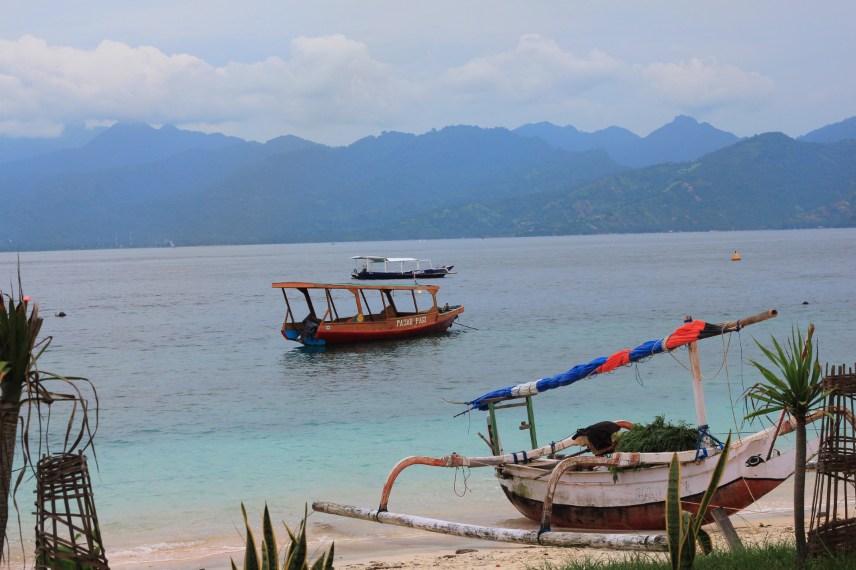
Boats in different colors and shapes.

OK, seriously, I want to go back! 🙂

hanny
WANT TO SHARE WITH SOMEONE WHO NEED THIS?
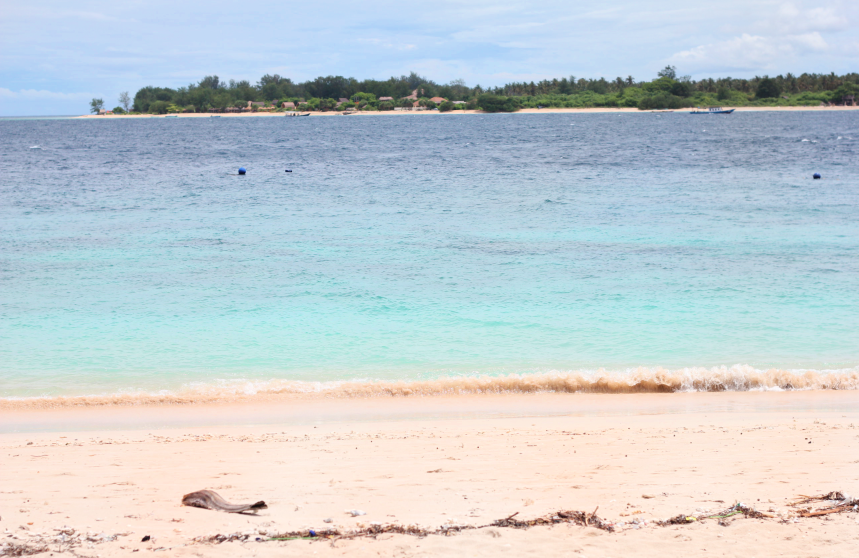
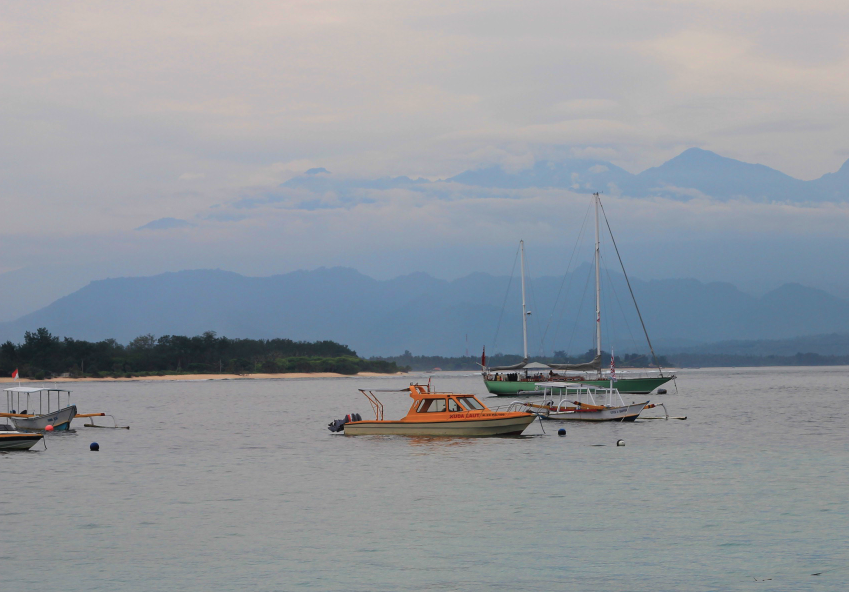
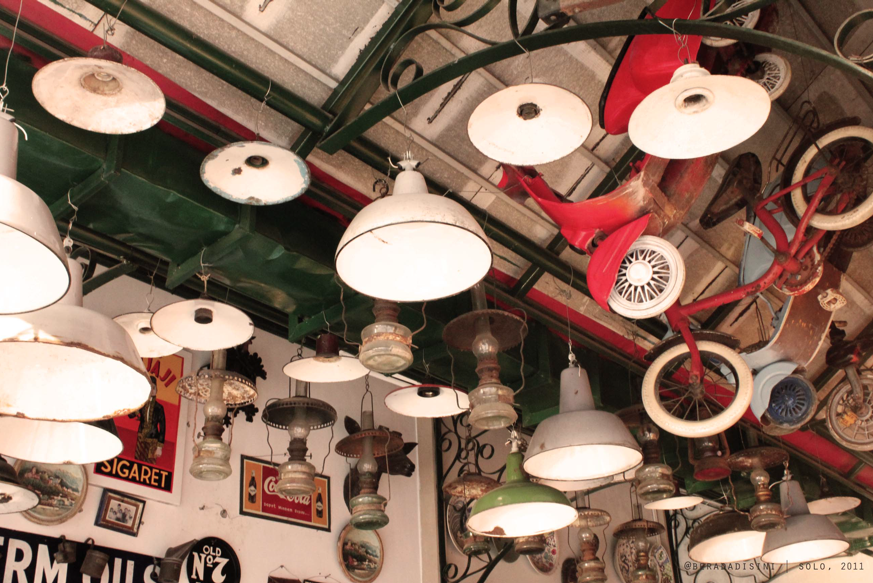
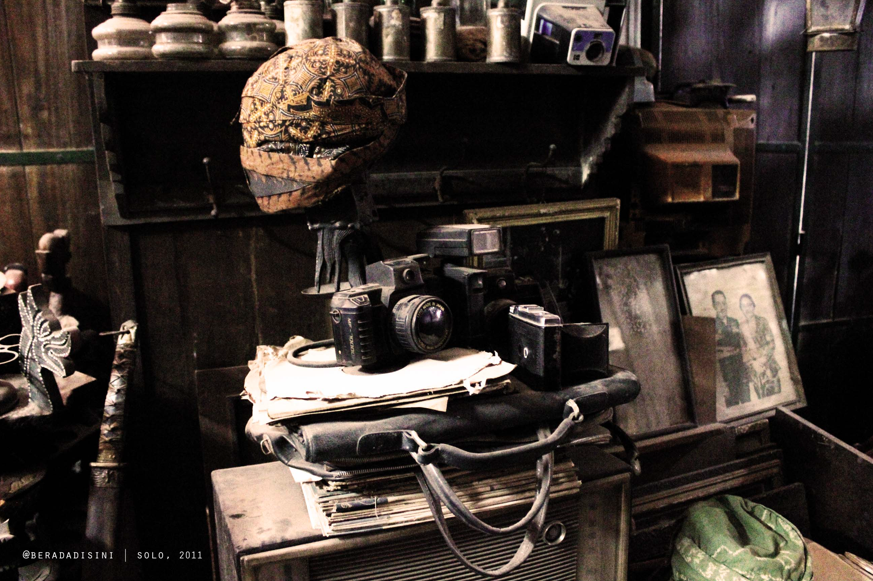
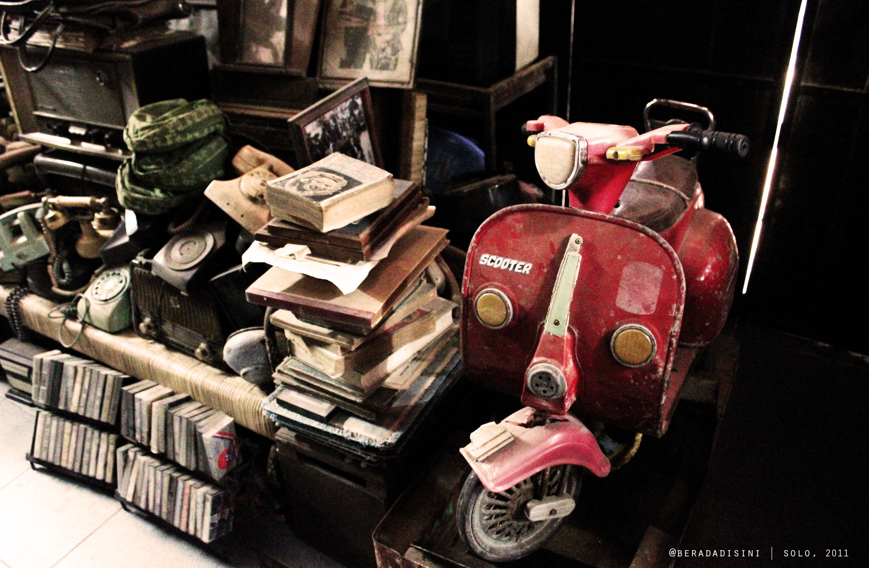
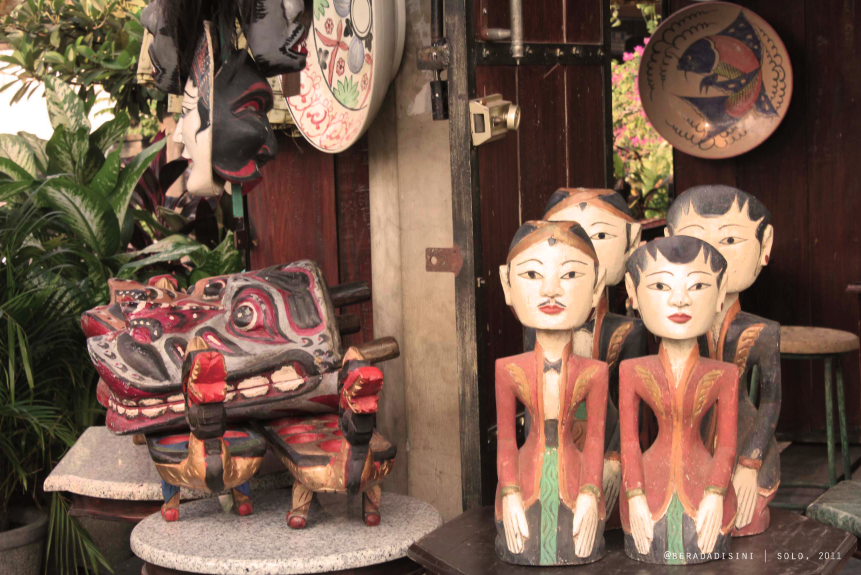
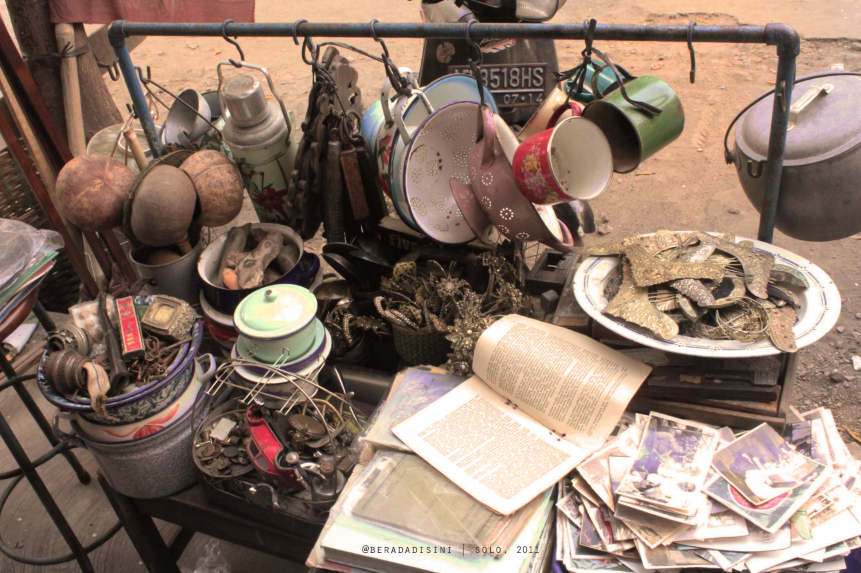
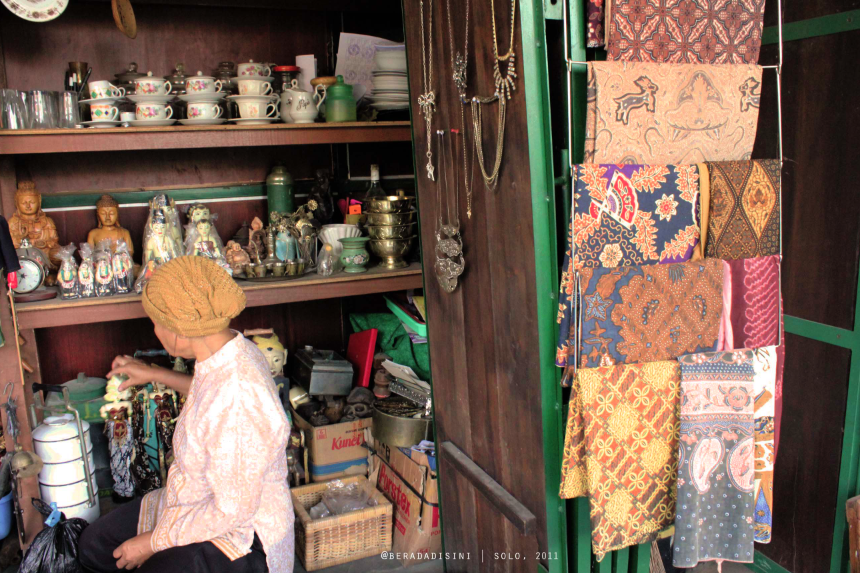
Stretched along Bengawan Solo—one of the longest river in Java, and guarded by some volcanoes: Mt. Merapi, Mt. Merbabu and Mt. Lawu, Solo is a tranquil city of Javanese culture and tradition. There’s a certain ‘ancient’ atmosphere that will captivate you instantly: a certain feeling of going back in time; especially as you get closer to the palaces or keraton—the sound of gamelan music wafting faintly from somewhere, batik cloths hanging from the drying rope.

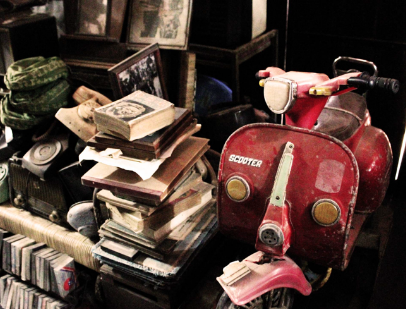
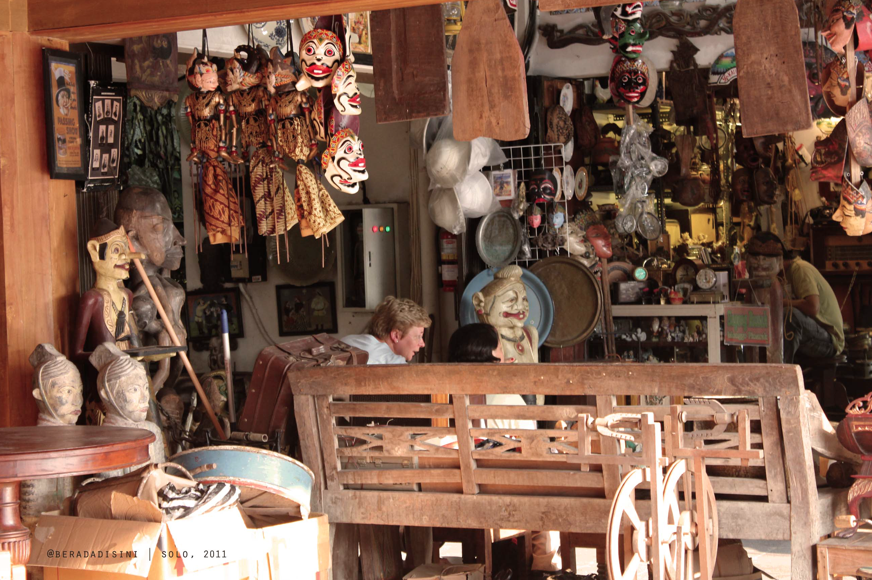
If you love strolling around antique markets, just like me (pretending you’re living in a different century, spotting all those beautiful objects back from the day your mother or grandmother hasn’t been born and making up stories about the imaginary people who used to own those vintage-whatchamacallit as you go along), Solo would definitely charmed you with its Triwindu Antique Market.

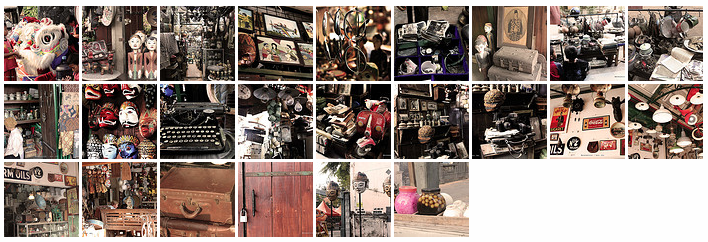
Here are some pictures to please your eyes:

Click here for more:

Happy holiday! Wish you all a blessed and wonderful New Year!

hanny
WANT TO SHARE WITH SOMEONE WHO NEED THIS?

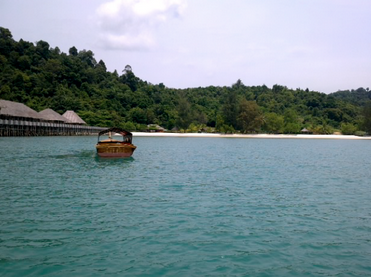
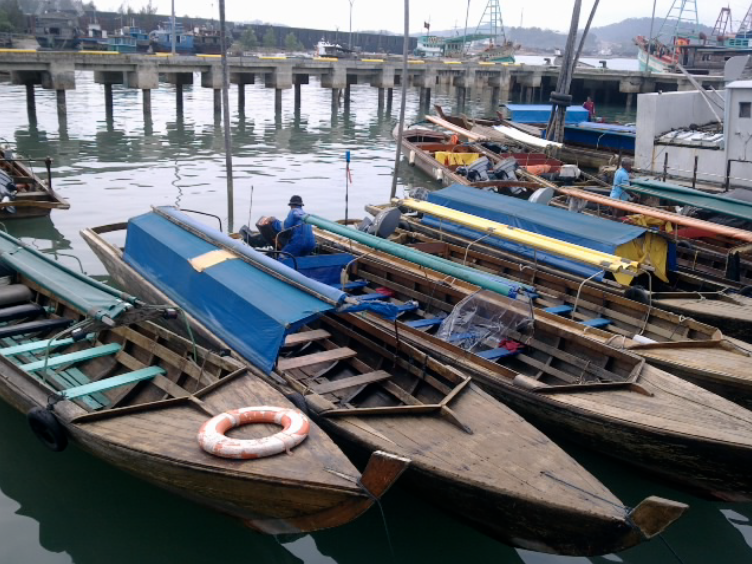
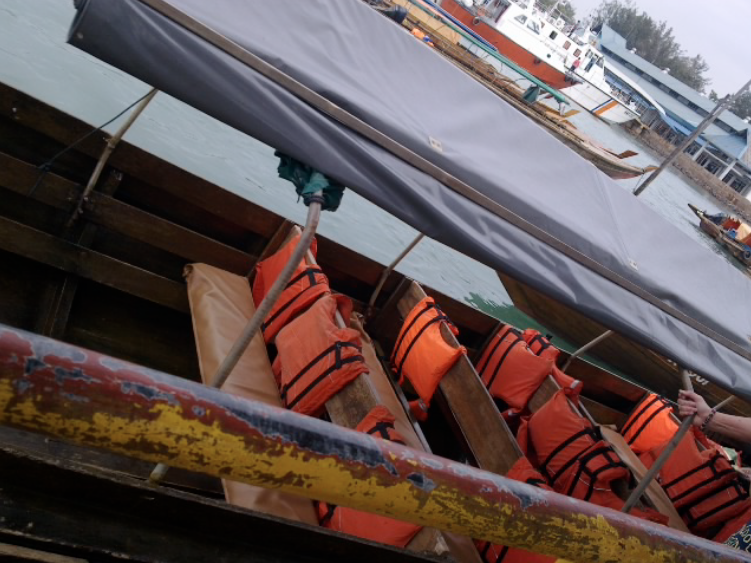
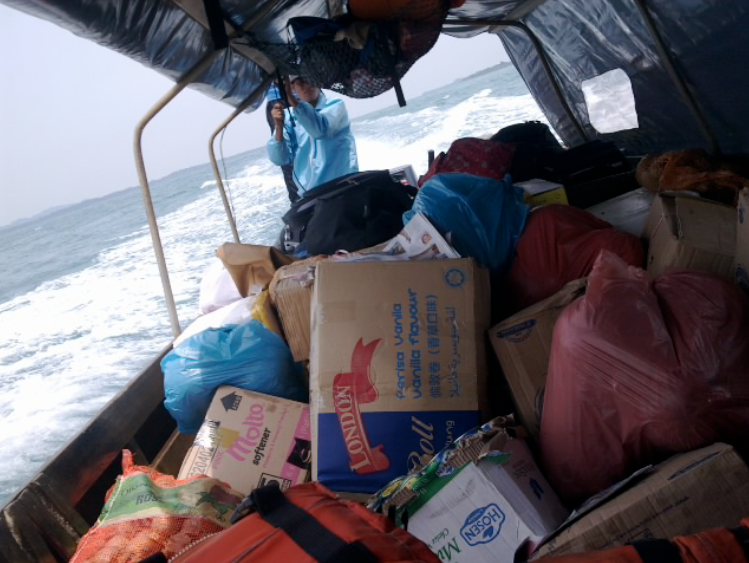
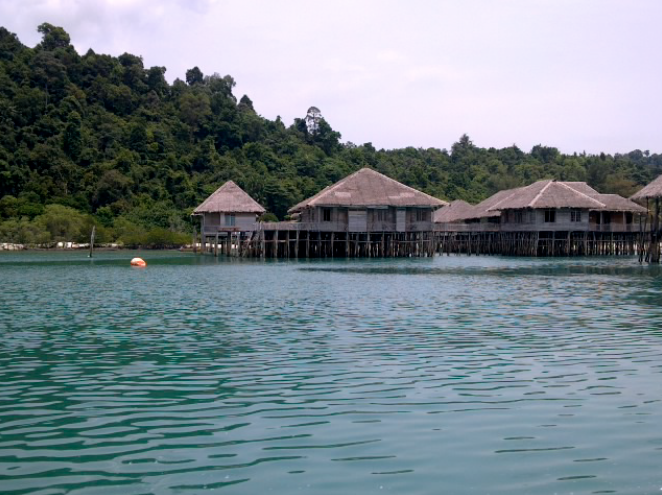
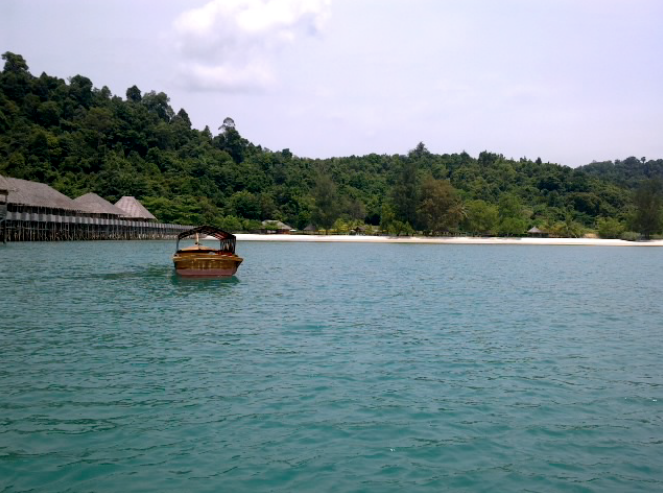
It took a 1.5-hour boat ride to reach Sugi Island from Sekupang Harbor in Batam. The weather was nice, sunny and breezy. I climbed down into the boat with my bestfriend, Nena, and off we went! Our destination: Telunas Beach Resort, an eco-friendly resort built by 3 Americans (Mike, Brad, Eric) who fell in love with the beauty of Sugi Island.

The boat was loaded with groceries. There they were: our food for the next few days! There’s no village in Sugi Island, and really, there’s nothing apart from the Beach Resort. Those who ‘stay’ in the island are those working for the resort; mostly locals from islands nearby. So, it was pretty much us, the resort, and the whole island for yourself!

Apart from myself and Nena, plus Robby and Elsa (Telunas Beach Resort’s hosts), there were 2 other families with us: Australians and Dutch. Robby told us that the island and the resort are more popular to international tourists. Students from Singapore, Korea, and Japan also pay a visit every year for their summer camp.

“International tourists are mostly looking for an escape like this,” said Robby. “So close to the nature, no electricity, no air-conditioner, no jet-ski… maybe domestic tourists are looking for a more lavish holiday.”

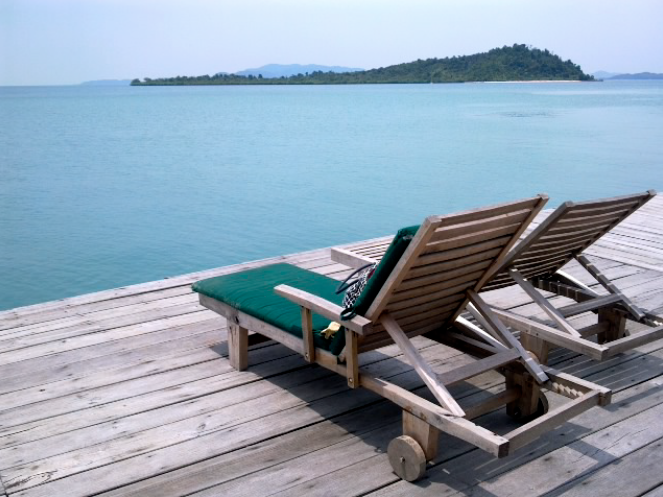
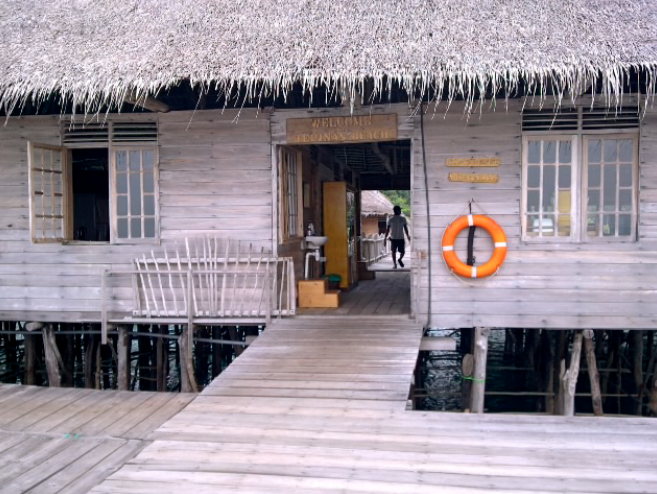
Upon arrival, you need to climb out from the boat, and then climb a wooden ladder to the front deck. And just take a look at the gorgeous view! During high-tide, you can run and jump from the deck into the water, and swim with the fish!

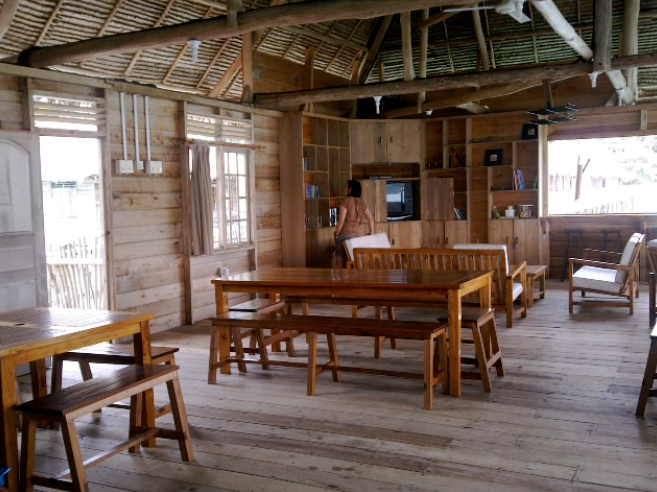
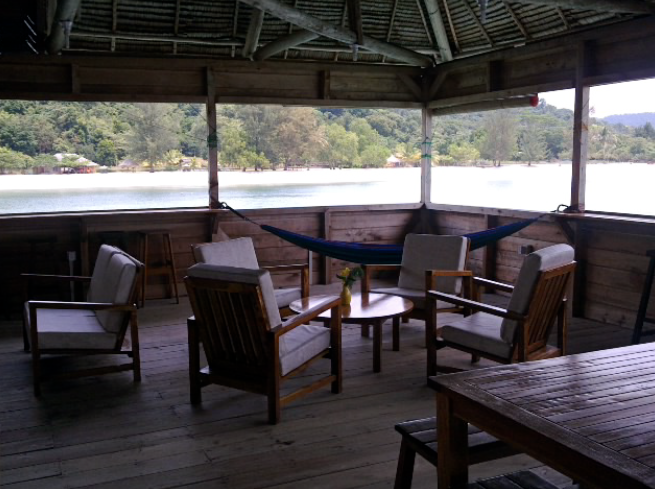
The ‘common room’ includes a dining room and a living room; you share this room with everybody else who are staying in the resort. In an hour or two, you’ll find yourselves exchanging smiles, laughter, and then starting a friendly conversation with everyone.

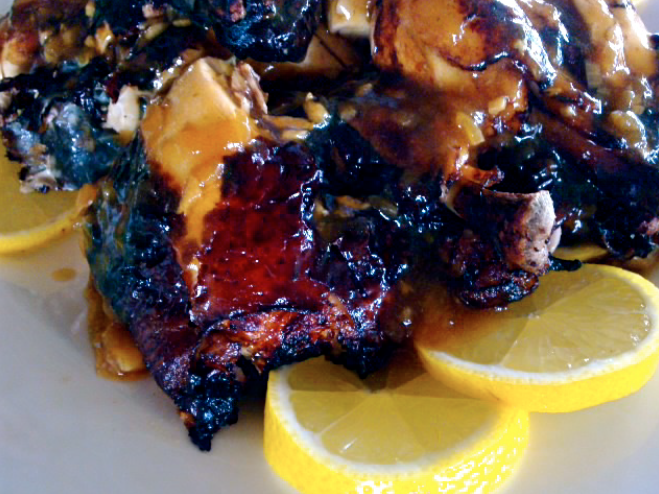
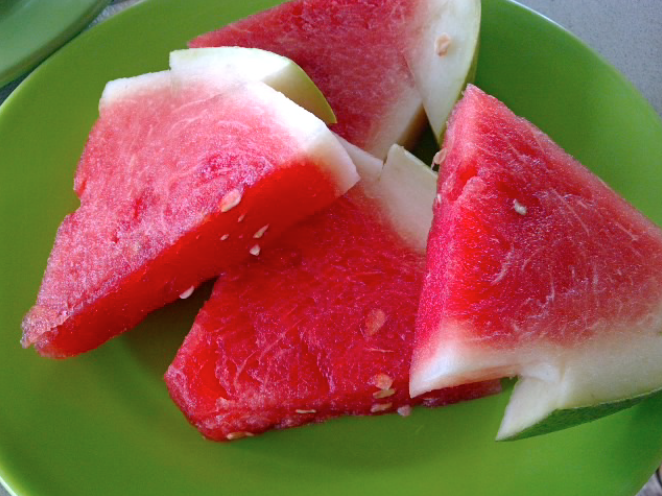
Since we arrived at noon, we’re greeted by lunch-time! And it was a delicious parade of honey-roasted chicken, baby-corn and mushroom, and fresh watermelon! The taste was just… amazing!

The ‘ibu’ who cooked our meal is a local from an island nearby. For 2 weeks, she stayed in Batam, in the house of Telunas Resort owner. The owner’s wife taught her how to cook Western food! And the food we attacked that day was SUPER-YUMMY! Really! The ‘ibu’ should be opening a restaurant here in Jakarta—and I’ll be her regular.

[Telunas Beach Resort, Batam]

(Did you notice how they cut the watermelon? So thoughtful; that they actually gave a ‘handle’ to the watermelon! :D)

And what’s better than enjoying a cup of coffee after lunch, accompanied by this stunning view 🙂 All day long, tea, coffee, milk, and hot water are available for free in the common room. Heaven!

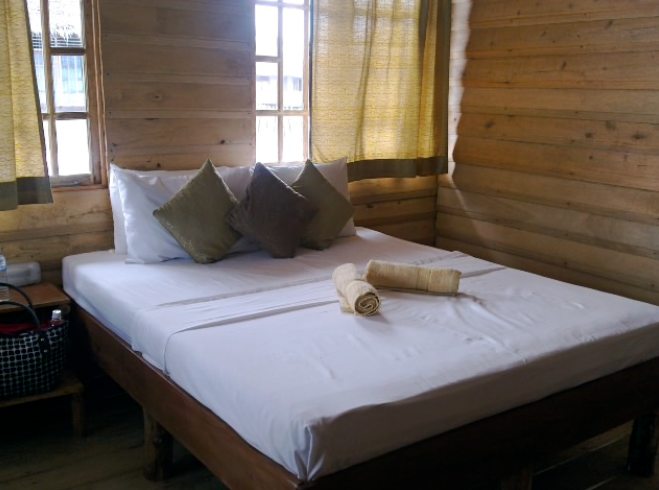
Telunas ‘wooden’ Beach Resort was built in 2004, and 90% of the compound stood above sea water. There’s no electricity in Sugi Island, so the Beach Resort functioned with generators. No air-conditioner, but really, I don’t see any reason on why you’ll need one. The sea breeze is too refreshing! 🙂 What I admired the most from the resort is its cleanliness. The room smells fresh and airy, bed-sheet is spotless, the wooden floor is amazingly clean, the bathroom works well and odor-free. Lovely.

But what’s best than having the beach for your own? When there were only you and 2 other families in the island, you’d feel as if you’re in a private beach. And again, it was one of the best beach I’ve ever seen. The sand was so clean, so white, so soft! No trace of plastic bottles or other trashes as far as the eye can see. It was just wonderful!

And what about this private-view of the sunset? 🙂

Apart from enjoying the white sand, reading a book or magazine while lying down in the hammock, and pampering yourself with a bath in the sea, you can also spend your time in Telunas playing volley ball, going on a kayak ride, or lighting up the campfire and baking pizza. In the morning, you can have your ‘jungle walk’ and for the more adventurous, you can also camp in the jungle! There’s also a black-hole drop inside the jungle, where you can jump from the height and dive into the pool of cold water. And don’t worry, there’s no mosquitoes in Telunas!

And you hear me, Telunas? I’ll be back—I promise, and this time: for a week getaway! 🙂 Thanks, Maverick, for the free trip! Am looking forward to my next all-expense-paid holiday!^^

hanny
WANT TO SHARE WITH SOMEONE WHO NEED THIS?
Hanny illustrator
Hi. I'm HANNY
I am an Indonesian writer/artist/illustrator and stationery web shop owner (Cafe Analog) based in Amsterdam, the Netherlands. I love facilitating writing/creative workshops and retreats, especially when they are tied to self-exploration and self-expression. In Indonesian, 'beradadisini' means being here. So, here I am, documenting life—one word at a time.

hanny

TAKE WHAT YOU NEED
VISIT THE SHOP