Going there.

It takes you 1.5 – 2 hours by car from Lombok International Airport to reach Bangsal port—where wooden boats are lining up, ready to transport you to Gili Trawangan. For the car-ride, you can choose between two routes: either passing the monkey forest or Senggigi beach. If you’re in a hurry to catch a boat to Gili Islands, you better choose the monkey forest route as it will save you more time (and you can take pictures of the monkeys along the way!).

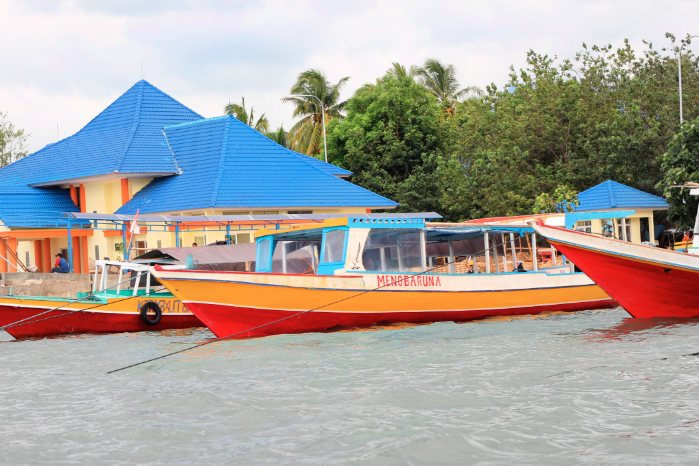
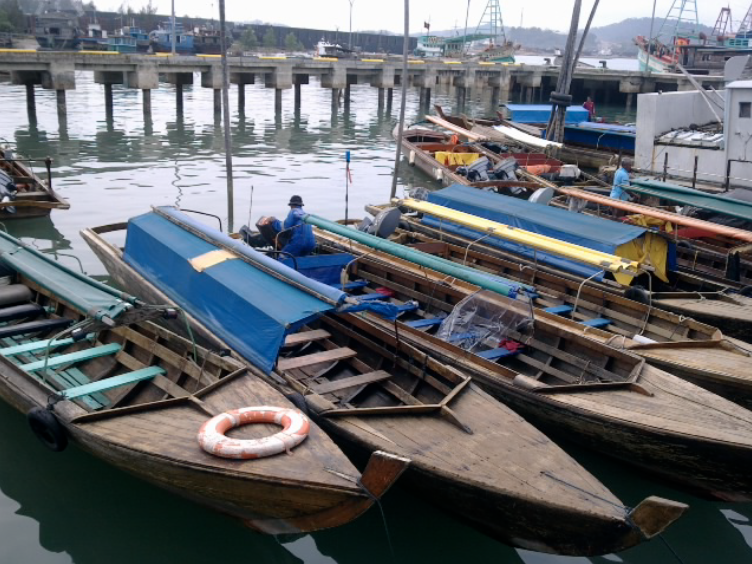
Bangsal Port in Lombok.

Every half an hour, there will be a boat leaving from Bangsal port to Gili Trawangan. You can buy a ticket for IDR 10,000 (or around US$ 1.2). The boat will carry tourists, locals, as well as bicycles and vegetables. In around 20 – 30 minutes, you’ll reach Gili Trawangan.

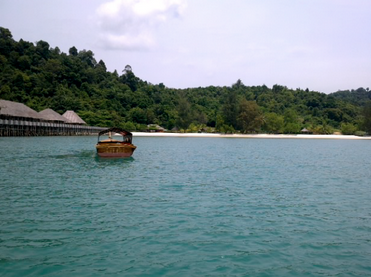
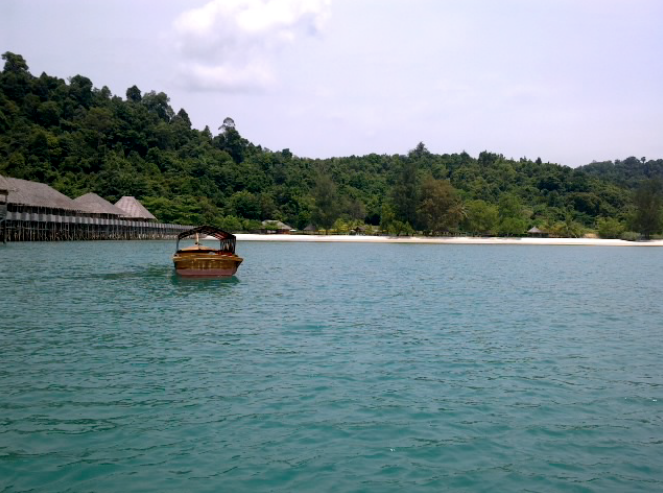
The boat that will take you to Gili Trawangan.

Gili Trawangan

Gili Trawangan is one of three islands in Gili, the two others are Gili Air and Gili Meno. If you prefer to have a more secluded atmosphere during your stay, Gili Air and Gili Meno will be a better option. Gili Trawangan is relatively more lively, with rows of cafes, restaurants and bars, that open for 24/7.

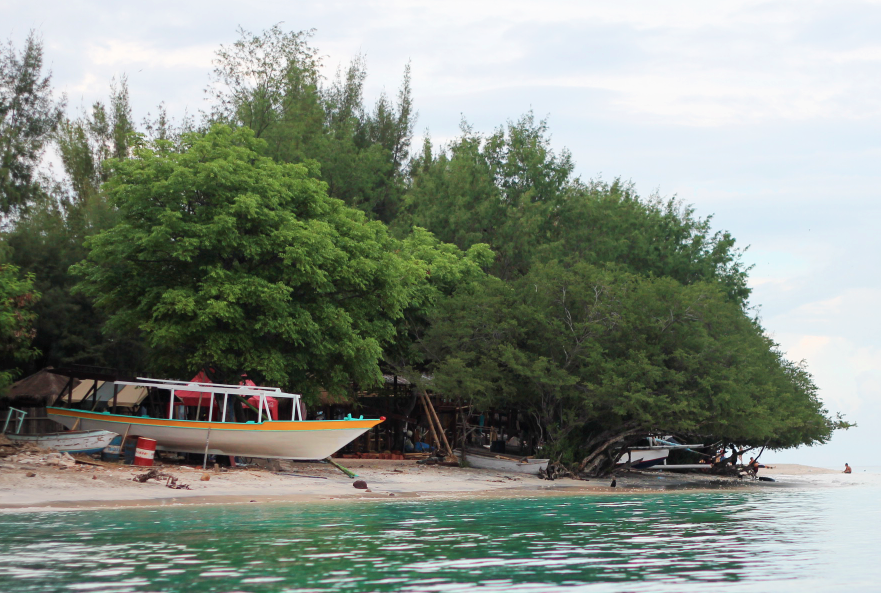
Gili Trawangan. The village is hidden behind the lush canopy of green.

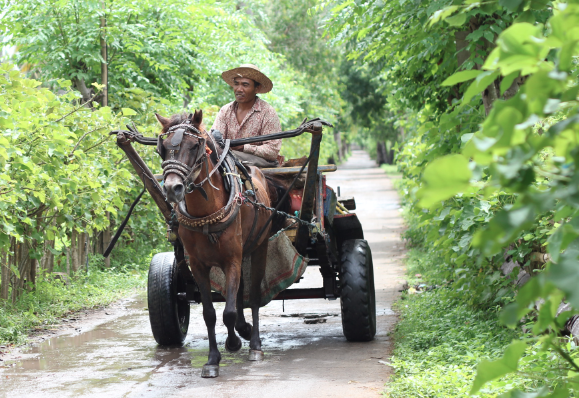
Gili Trawangan is a small island. You can go around the island for 2-3 hours by bike. Cidomo is how the locals call their most ‘lavish’ mode of transportation: horse cart/wagon. Usually it will cost you IDR 50,000,- per trip (US$ 5). Apart from horse cart, you can either rent a bike for a day, or simply walk around. There’s no car or motorcycle in Gili Trawangan. The air is definitely not being polluted by motor vehicles’ exhausts, but you just need to get yourself used to the smell of horse’s feces 😀

Cidomo, or the horse cart.

The village

If you don’t mind to get your feet soaked in mud, walking around the village early in the morning can be a bliss. Just watch your step and be mindful to the sound of cidomo approaching from in front/behind you, then step aside. The people in the village are very polite and friendly; you won’t get a stare/impolite comments though you’re a girl strolling around by yourself. If you smile, they’ll nod and smile back.

Here are some of the gorgeous views I captured during my morning walk:

The chickens.
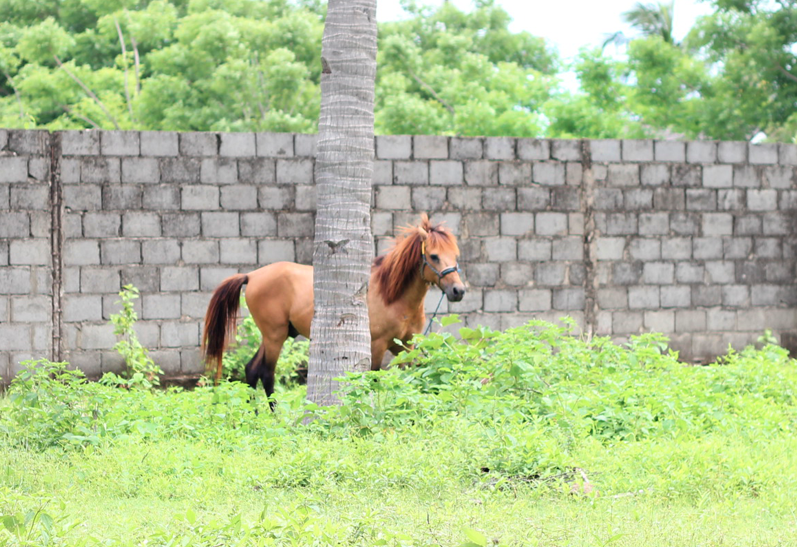
The pretty horse. Disney-like, don’t you think?
This is the way people transport goods around the island.
The droplets left by the morning rain.

There are no police officers in Gili Trawangan. According to the Cidomo driver, having police officers around make people think that the island is not safe. Usually, the locals will catch the robbers/pickpockets by themselves, beat them up to teach them a lesson, and then they will be humiliated by being ‘paraded’ all around the island. Does this kind of law-enforcement work? Probably so. My friend lost her wallet in the afternoon, and later in the evening, a Cidomo driver actually returned the wallet back to the hotel where we stayed.

The restaurants.

Along the beach, you can find stretch of restaurants, cafes, and bars.

If you’re into organic and healthy food, you can stop by at Egoiste; and if you’d like to enjoy the best grilled seafood in Gili Trawangan, drop by at Scallywags after 6 pm, and pick your own lobsters/fishes (the restaurant is open since early morning, but the grilled menu will only be served after 6)!

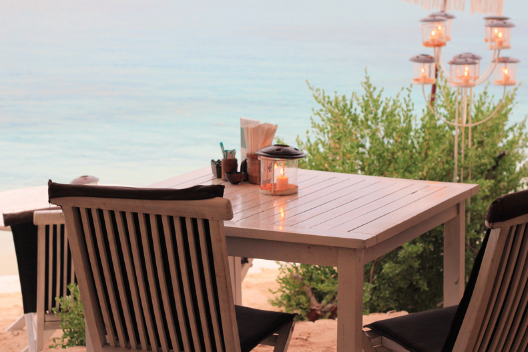
The view from Scallywags. How lovely!
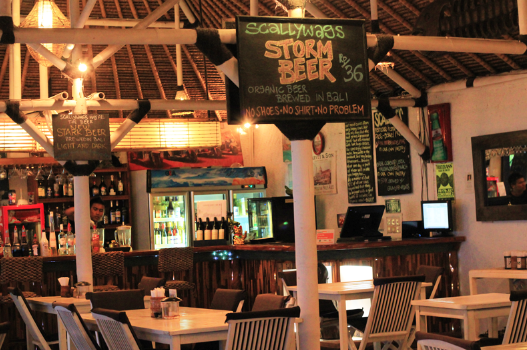
Storm beer: an organic beer brewed in Bali, served at Scallywags
Fresh lobster at Scallywags, ready to be grilled.
All the fish is caught in local waters, using environmentally friendly methods.
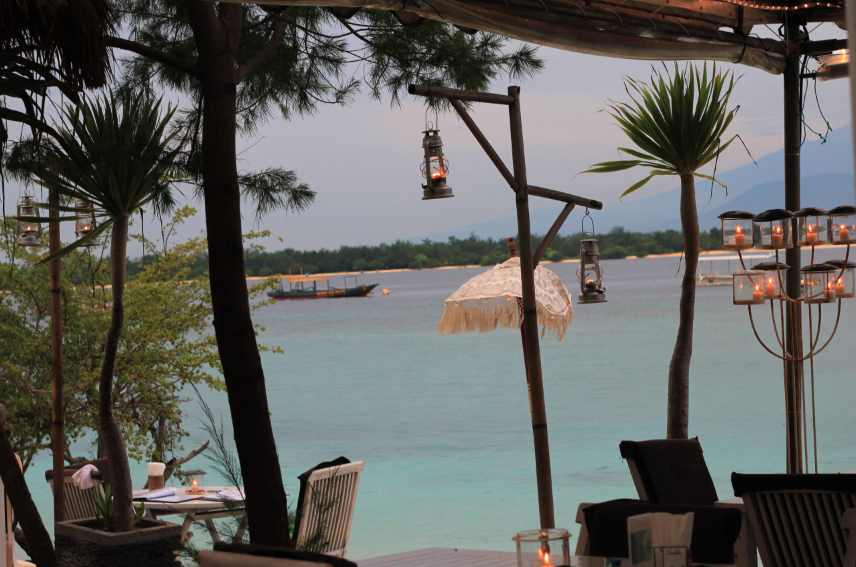
Before sunset at Scallywags.
Free salad bar at Scallywags.

Don’t forget to enjoy the famous Gili Gelato for dessert afterwards; you can find their ice-cream counter along this stretch.

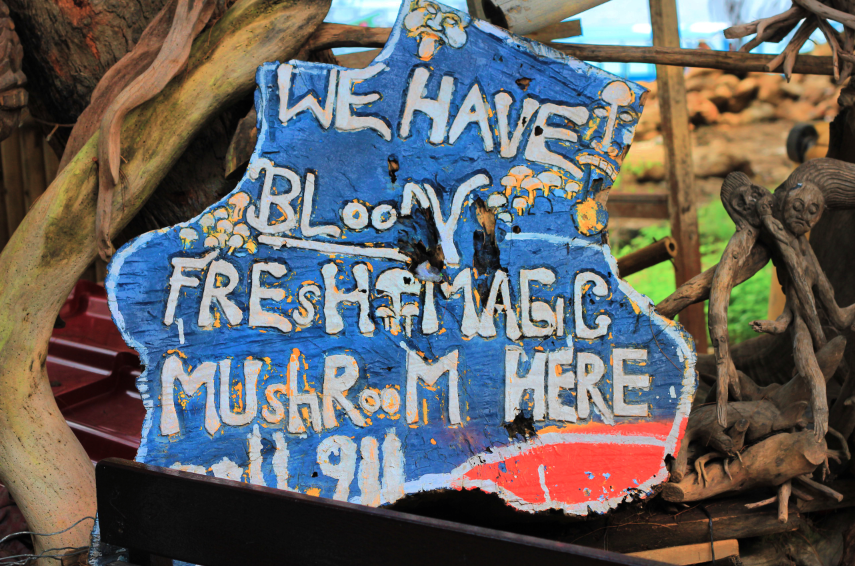
If you’re into psychedelic experience (unfortunately, I got high only by looking at the ocean!), magic mushroom (Psilocybin) is sold free in small shops/marts. A bottle of ‘mushroom juice’ (the size of small mineral water bottle) is sold for IDR 200,000 (US$ 23). In bars and restaurants, they are also offering marijuana quite freely, especially to foreign tourists.

Magic mushroom.

The Internet connection

Should you need to connect the Internet, there are lots of cafes/restaurants with free wi-fi access. But I should remind you: it won’t really work. If you really need a relatively reliable connection, go to the Internet cafes. You rent a computer and the Internet connection for around IDR 24,000 per hour (US$ 2.8).

The beach

What can I say? This is one of the reasons why people come to visit Gili Trawangan at the first place 🙂 Should you like to dive, go visit Trawangan Dive (find Graham if he’s around)—and they’ll help you with everything: from planning your diving trip to preparing all the equipments needed.

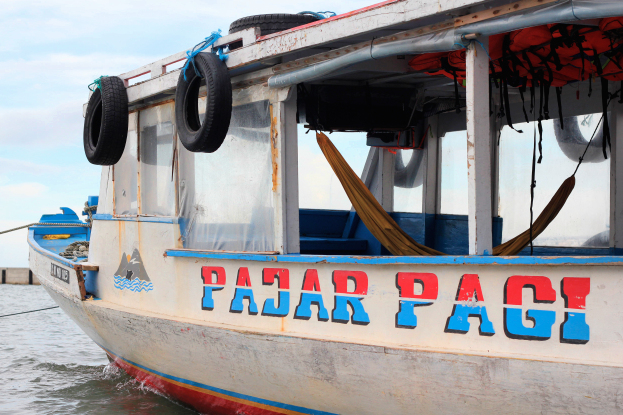
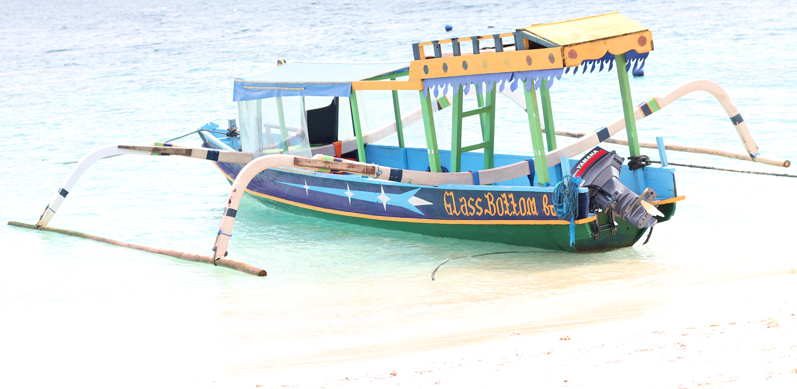
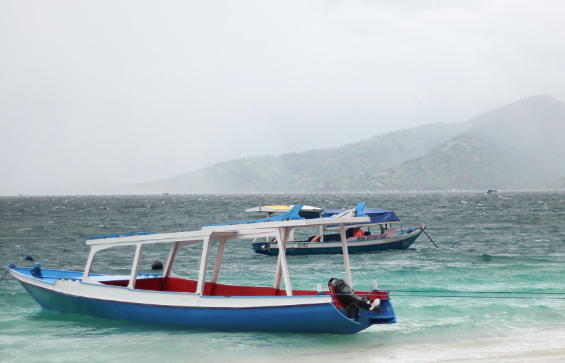
The glass-bottom boat.
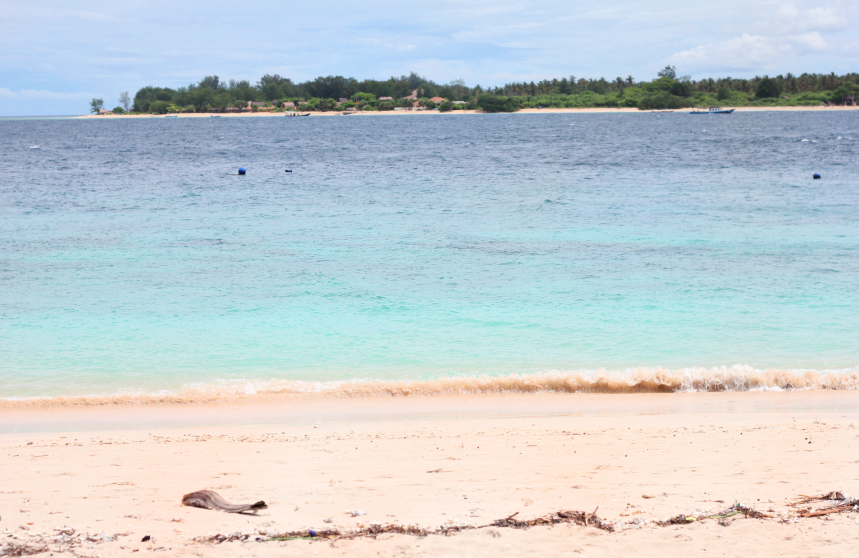
Lovely afternoon by the beach.
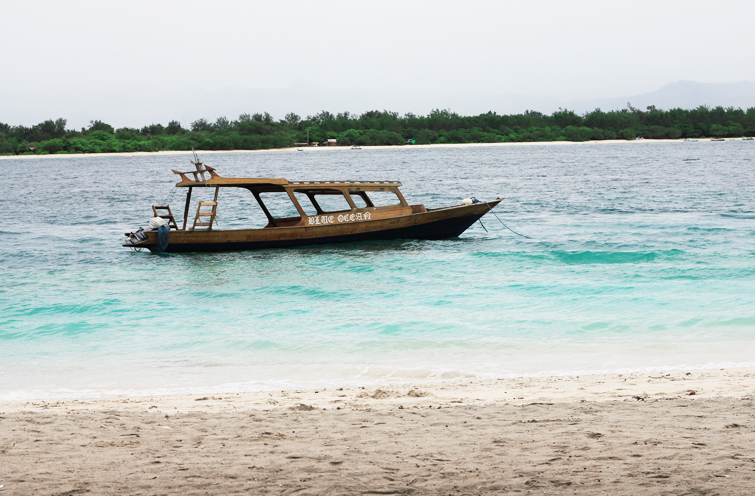
The boat.
The mist came down in the afternoon.
Just perfect for swimming and sunbathing.
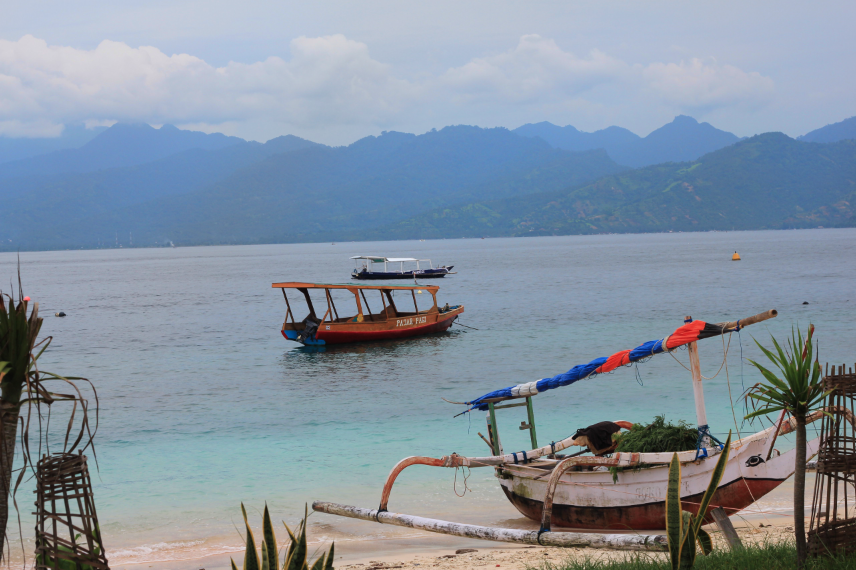
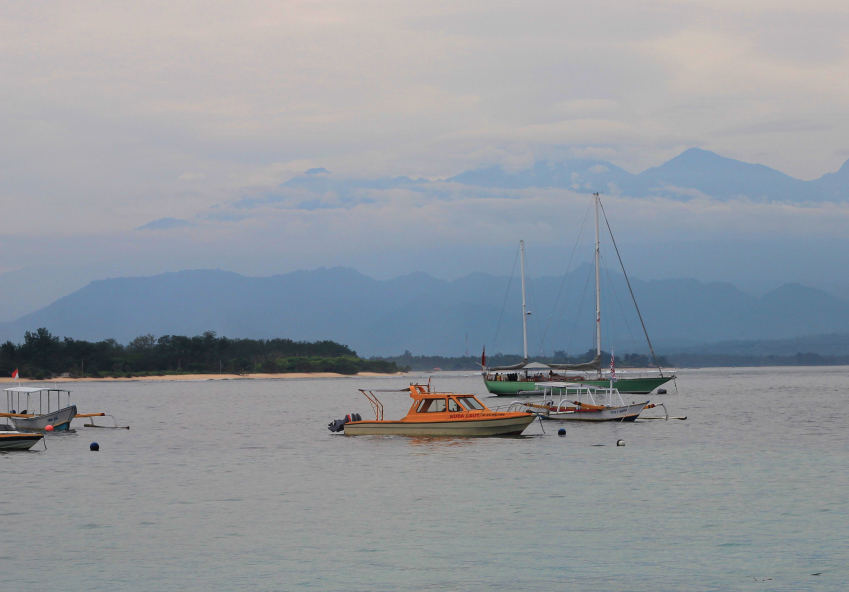
Boats in different colors and shapes.

OK, seriously, I want to go back! 🙂

hanny
WANT TO SHARE WITH SOMEONE WHO NEED THIS?

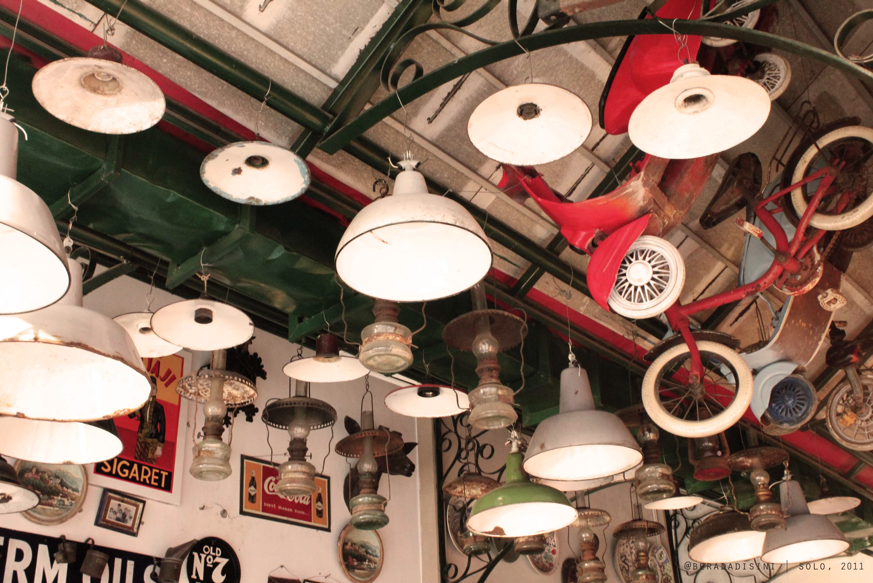
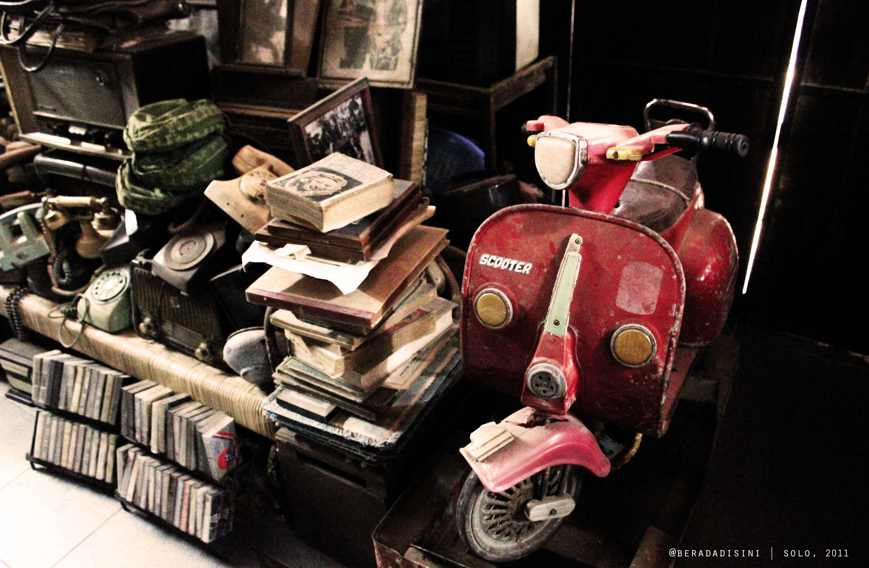
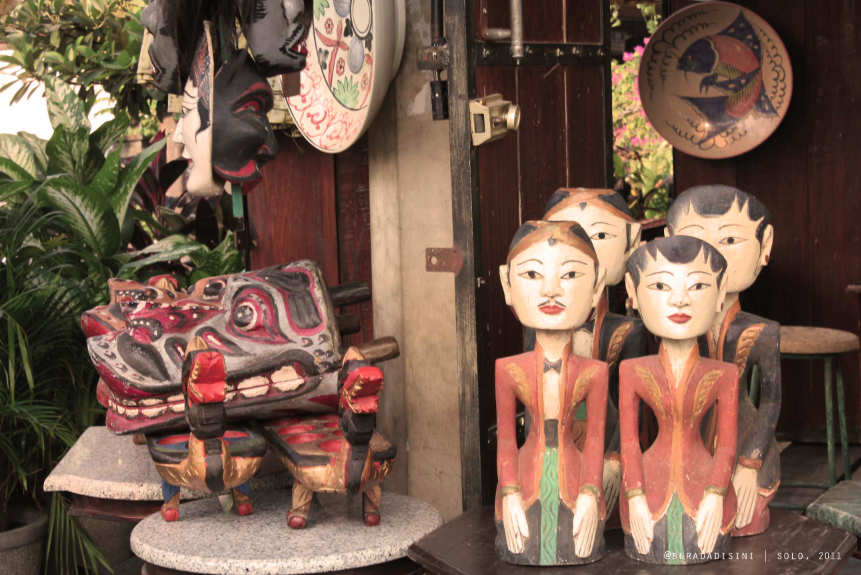
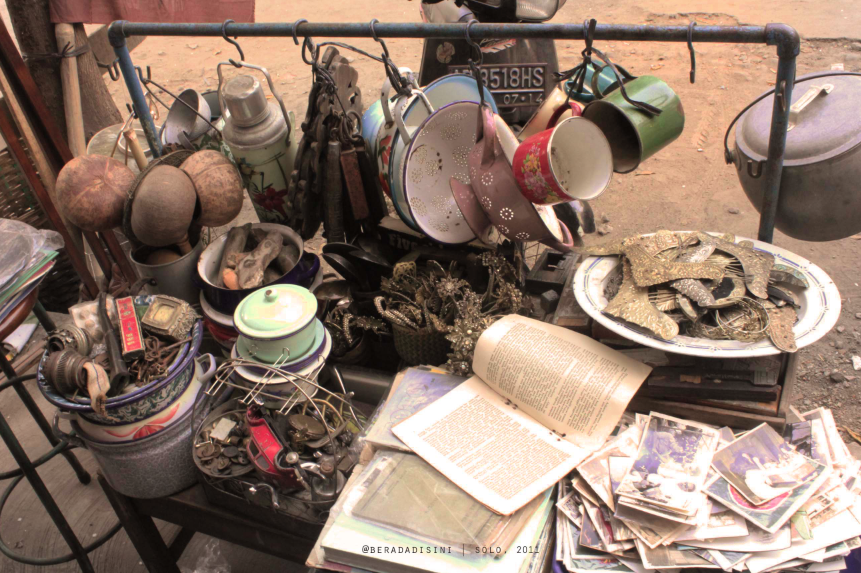
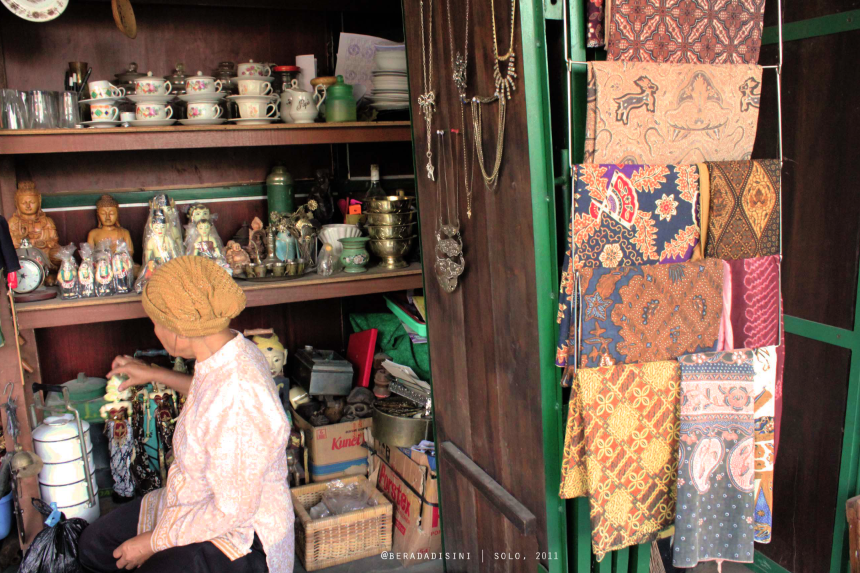
Stretched along Bengawan Solo—one of the longest river in Java, and guarded by some volcanoes: Mt. Merapi, Mt. Merbabu and Mt. Lawu, Solo is a tranquil city of Javanese culture and tradition. There’s a certain ‘ancient’ atmosphere that will captivate you instantly: a certain feeling of going back in time; especially as you get closer to the palaces or keraton—the sound of gamelan music wafting faintly from somewhere, batik cloths hanging from the drying rope.

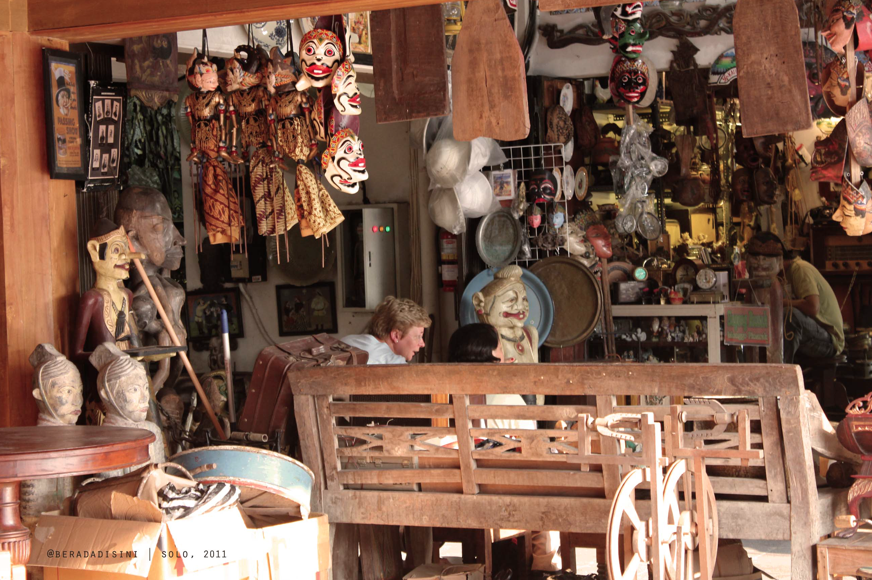
If you love strolling around antique markets, just like me (pretending you’re living in a different century, spotting all those beautiful objects back from the day your mother or grandmother hasn’t been born and making up stories about the imaginary people who used to own those vintage-whatchamacallit as you go along), Solo would definitely charmed you with its Triwindu Antique Market.

Here are some pictures to please your eyes:

Click here for more:

Happy holiday! Wish you all a blessed and wonderful New Year!

hanny
WANT TO SHARE WITH SOMEONE WHO NEED THIS?

Kindness is like electricity. It keeps flowing wherever it finds a connection | Bina Shah, Pakistani’s writer & columnist

What have you heard about Pakistan?

If all that came to mind is the images of bombings, killings, corruption, Moslem extremists, natural disasters, poverty and terrorist attacks, well, you were just like me. Until four days ago, that is, when I landed in Karachi (Pakistan’s City of Bright Lights) and realized that the country has a lot more to tell than what we’ve seen in news reports.

The top of my memory list about Pakistan is the genuine warmth and hospitality of the people. It brushed over me like a sweet nostalgia of being in my own home country. The friendly gesture seeped gently and silently from the side street of Karachi, the market, to the security guards at the hotel lobby. When we were hitting Karachi’s bustling street on midday and taking pictures of a colorful tuk-tuk, the driver turned his head to us, made a peace sign with his hand, and shot us a pleasant smile. At Zainab market, overhearing Dita and me speaking in Indonesian, the shopkeeper told us how he adored Indonesian batik and wished to sell it in Pakistan (which he couldn’t do, unfortunately, due to high customs duty). It’s impossible not to feel optimistic and hopeful when there’s such friendliness around; lifting your mood as you go along.

The second is the positive energy radiated by Pakistan’s younger generation I met during the Social Media Summit. I have faith in Pakistan today, as I have faith in Indonesia 5 – 10 years ago, when things turned ugly. I mean, we’ve been dealing (and still dealt) with more or less the same thing: bombings, killings, corruption, Moslem extremists, natural disasters, poverty and terrorist attacks.

I might have little faith in our government or in the way they rule the country, but I have faith in my fellow Indonesians, especially the younger generation. They’re the ones eager to become a part of a solution instead of being a part of the problem. Maybe, we’ve been so tired of being pessimistic and cynical about a lot of things, and decided to do something about it instead. While our younger generation came up with amazing initiatives like #IndonesiaUnite, Indonesian Youth Conference, Indonesian Future Leaders, and many more, Pakistani youths have also shown their contribution to their beloved country.

One of them is Mehreen Kasana, 20 years old. When I was in Pakistan, the killing of Pakistani youth Sarfaraz Shah by Rangers personnel outside a park in Karachi made headlines everywhere. I met Mehreen during the Social Media Summit at Avari Hotel. She was standing near the coffee table, holding a sign: Stop Killing Your Own People, after coming back from protesting the brutal act. Mehreen is a media student who is loud and opinionated, and she doodles a lot. Her recent blog posting discussed about stereotyping:

I was arguing with a professor once about stereotypes and how they affect us in both direct and indirect ways on discerning levels. After being viewed as a brown Muslim female from Pakistan, I have had my fair share of instances where apparently wise people ended up asking me questions that deserved exasperated sighs and, sometimes, a good punch or two. e.g. “Do you guys in Pakistan kill every girl who wants to study?” and recently “Does everyone wear those black face net things? I heard you can get shot if you don’t.” >> Read more…

And then, there’s Syed Ali Abbas Zaidi, 25 years old—who came all the way from Islamabad, City of Angels.

We shared a session on using social media for disaster response and management. Ali and his friends started a youth movement in Pakistan, called Pakistan Youth Alliance (PYA). As quoted by The Viewspaper, Ali said:

PYA is silent revolution; it is by no means a rebellious initiative. We don’t like to point, we aim to change! We don’t mean to burn, we aim to spark! PYA is a youth motivated, youth run, and youth centered non-political/ indigenous movement which aims to wake the youth of Pakistan from the sleep of apathy. We have had it with the flaws, we have had it with injustice and we have had it being quiet. The anger in us all boils our inside so much that we wish to scream, but if we come out on streets in an unorganized manner, no one would listen. >> Read more…

Pakistan Youth Alliance played a significant role in 2010 Pakistan floods, when they did online fundraising and distributed donations to different areas blocked by the severe flooding.

And please meet Gibran Ashraf, 25 years old, a journalist at the Express Tribune who interviewed me about Coin a Chance!. When he saw my Canon 550D, we started talking about photography instead.

And this is Khaver Siddiqi, 31 years old. He’s a social media manager in a company called Creative Chaos (don’t you just love the name?). Similar to Indonesia, brands and companies in Pakistan have also started making their way into Facebook and Twitter, especially to reach the younger generation.

This is my new Pakistani sister, Sundus Rasheed, the manager of programming at an English-language radio, CityFM89 in Karachi. She loves Ariel Peterpan and really upset that Ariel is now behind bars. She was one of South Asia’s young leaders who got invited to join International Visitors Leadership Program for Civic and Political Engagement hold by US State Department.

You can’t lose hope seeing these young free spirits in Pakistan!

Sundus (and her sister) took me out at around 1 AM to roam the old town of Karachi. The town was lively in small hours, with lots of twinkling lights and street stalls. People were walking, talking, eating, and I got to taste Pakistani’s dessert made of milk cream, and savored one of the best Pistachio ice cream I’ve ever had in my life! Karachi streets after midnight were still bustling with life. Sundus told me that people are usually sleeping very late. In one stretch of the street, I could see lines of men with pillows and mattresses. And no, they are not the homeless. They are actually masseurs! 🙂

And who can resist the food?

Can you imagine? I didn’t really take pictures of the food one by one because I was too busy salivating and attacking mutton curry and chicken masala! And yes, we’re talking about me—who took pictures of almost any kind of food, but was too absorbed in a parade of delicious meals to take a shot of Pakistani food! And it was mango season! I couldn’t describe how sweet and fresh the mangoes were!

And what about these gorgeous sites:

Mazar-e-Quaid (Urdu: مزار قائد) or the National Mausoleum refers to the tomb of the founder of Pakistan, Muhammad Ali Jinnah. It is an iconic symbol of Karachi throughout the world. The mausoleum (Urdu/Persian/Arabic: mazār), completed in the 1960s, is situated at the heart of the city. [Wikipedia]

And this is the breath-taking view of the Jehangir Kothari Parade:

Seth Jehangir Hormusji Kothari, was a member of the Parsi community and one of prominent philanthropists in Karachi, in the days before the 1947 Partition of India. He is remembered today for the gift of his house and adjacent land for the building of a promenade, known as the Jehangir Kothari Parade,[1] on what was then Karachi’s Clifton beach. [Wikipedia]

And this is The Three Swords monument (Teen Talwar):

This impressive monument can be found in the area of Clifton. Karachi has many landmarks, but the Teen Talwar really stands-out. The three white marble swords symbolize (and are inscribed with the dogma of Pakistan’s founder, Mohammad Ali Jinnah) Unity, Faith and Discipline. (“ittehad, yaqeen-e-muhkam, tanzeem.”) This lovely tribute was commissioned by the former President & Prime Minister Zulfikar Ali Bhutto (Quaid-e-Awam). The abundance of white, good-quality marble in the city’s vicinity has apparently encouraged its wide use for the creation of many monuments, lending a symbolic nature of grandeur & purity. [TripAdvisor]

And here are some shots from Karachi streets:

Hey, remember those days when Indonesia became the “Travel Warning” country? And then Iwan Esjepe and his wife Indah Esjepe came up with the famous sticker we’re so proud of:

Well, let me tell you this: Pakistan is dangerously enchanting!

It was weird how I missed Pakistan instantly the moment I was in Dubai, waiting for my flight to Jakarta. And I just knew that I’d be back. Not only to Karachi, but also to Lahore, to Islamabad and other parts of Pakistan I’ve never seen before. This morning, at work, after feeding the goldfish and making a cup of coffee for myself, I realized how I wished I was still in Karachi: hitting the streets with some new friends, enjoying the food served at street stalls and attacking another cup of pistachio ice cream, watching concerts…

But, the best part of the visit is: that I’ve taken a bit of Pakistan’s spirit within me. And have kept it close to my heart ever since.

—–

*) thank you for everyone I met during Pakistan’s Social Media Summit, organizers, panelists, and participants, for your warm welcome and hospitality, for making me feel like I’m at home. bahut bahut shukriya.

hanny
WANT TO SHARE WITH SOMEONE WHO NEED THIS?

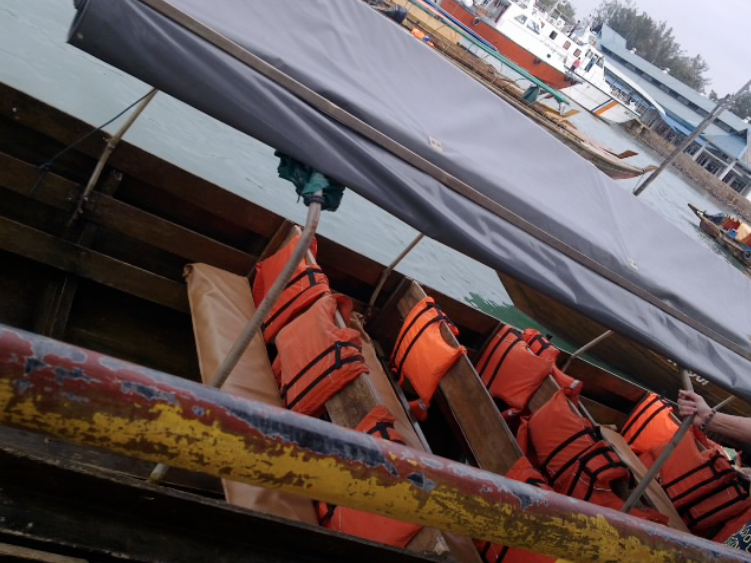
It took a 1.5-hour boat ride to reach Sugi Island from Sekupang Harbor in Batam. The weather was nice, sunny and breezy. I climbed down into the boat with my bestfriend, Nena, and off we went! Our destination: Telunas Beach Resort, an eco-friendly resort built by 3 Americans (Mike, Brad, Eric) who fell in love with the beauty of Sugi Island.

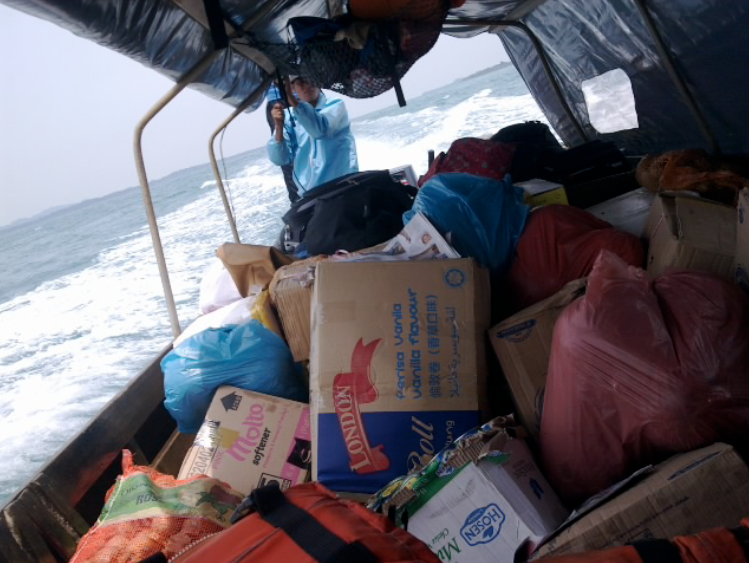
The boat was loaded with groceries. There they were: our food for the next few days! There’s no village in Sugi Island, and really, there’s nothing apart from the Beach Resort. Those who ‘stay’ in the island are those working for the resort; mostly locals from islands nearby. So, it was pretty much us, the resort, and the whole island for yourself!

Apart from myself and Nena, plus Robby and Elsa (Telunas Beach Resort’s hosts), there were 2 other families with us: Australians and Dutch. Robby told us that the island and the resort are more popular to international tourists. Students from Singapore, Korea, and Japan also pay a visit every year for their summer camp.

“International tourists are mostly looking for an escape like this,” said Robby. “So close to the nature, no electricity, no air-conditioner, no jet-ski… maybe domestic tourists are looking for a more lavish holiday.”

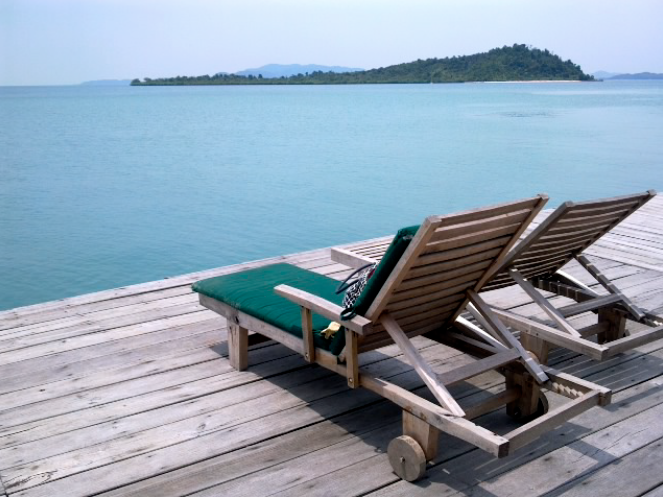
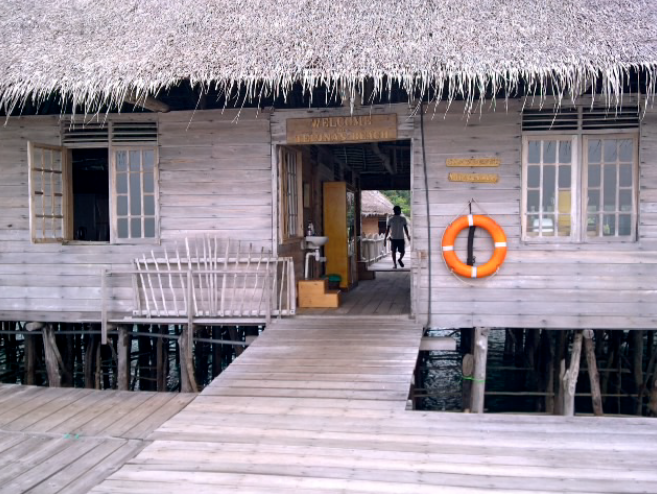
Upon arrival, you need to climb out from the boat, and then climb a wooden ladder to the front deck. And just take a look at the gorgeous view! During high-tide, you can run and jump from the deck into the water, and swim with the fish!

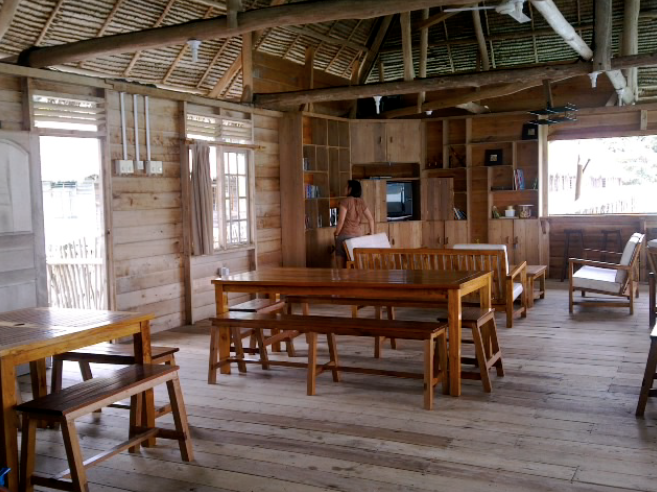
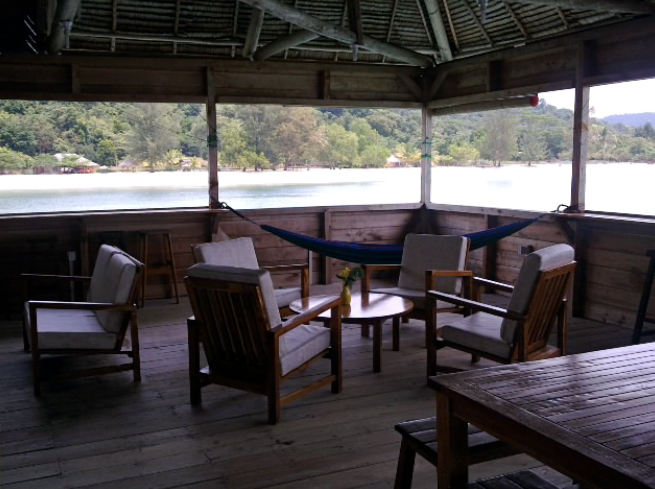
The ‘common room’ includes a dining room and a living room; you share this room with everybody else who are staying in the resort. In an hour or two, you’ll find yourselves exchanging smiles, laughter, and then starting a friendly conversation with everyone.

Since we arrived at noon, we’re greeted by lunch-time! And it was a delicious parade of honey-roasted chicken, baby-corn and mushroom, and fresh watermelon! The taste was just… amazing!

The ‘ibu’ who cooked our meal is a local from an island nearby. For 2 weeks, she stayed in Batam, in the house of Telunas Resort owner. The owner’s wife taught her how to cook Western food! And the food we attacked that day was SUPER-YUMMY! Really! The ‘ibu’ should be opening a restaurant here in Jakarta—and I’ll be her regular.

[Telunas Beach Resort, Batam]

(Did you notice how they cut the watermelon? So thoughtful; that they actually gave a ‘handle’ to the watermelon! :D)

And what’s better than enjoying a cup of coffee after lunch, accompanied by this stunning view 🙂 All day long, tea, coffee, milk, and hot water are available for free in the common room. Heaven!

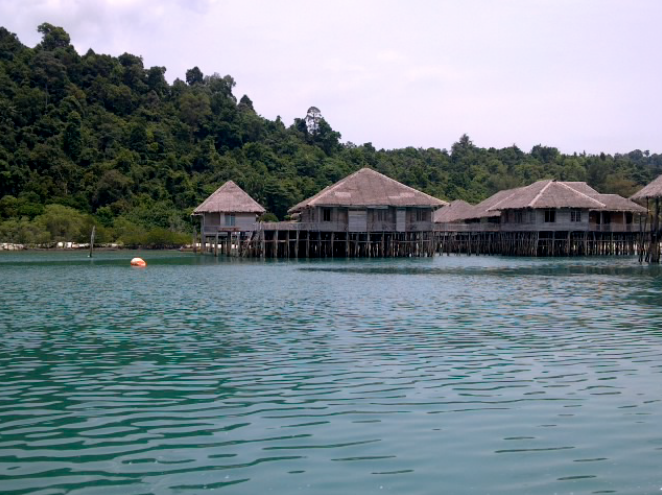
Telunas ‘wooden’ Beach Resort was built in 2004, and 90% of the compound stood above sea water. There’s no electricity in Sugi Island, so the Beach Resort functioned with generators. No air-conditioner, but really, I don’t see any reason on why you’ll need one. The sea breeze is too refreshing! 🙂 What I admired the most from the resort is its cleanliness. The room smells fresh and airy, bed-sheet is spotless, the wooden floor is amazingly clean, the bathroom works well and odor-free. Lovely.

But what’s best than having the beach for your own? When there were only you and 2 other families in the island, you’d feel as if you’re in a private beach. And again, it was one of the best beach I’ve ever seen. The sand was so clean, so white, so soft! No trace of plastic bottles or other trashes as far as the eye can see. It was just wonderful!

And what about this private-view of the sunset? 🙂

Apart from enjoying the white sand, reading a book or magazine while lying down in the hammock, and pampering yourself with a bath in the sea, you can also spend your time in Telunas playing volley ball, going on a kayak ride, or lighting up the campfire and baking pizza. In the morning, you can have your ‘jungle walk’ and for the more adventurous, you can also camp in the jungle! There’s also a black-hole drop inside the jungle, where you can jump from the height and dive into the pool of cold water. And don’t worry, there’s no mosquitoes in Telunas!

And you hear me, Telunas? I’ll be back—I promise, and this time: for a week getaway! 🙂 Thanks, Maverick, for the free trip! Am looking forward to my next all-expense-paid holiday!^^

hanny
WANT TO SHARE WITH SOMEONE WHO NEED THIS?

Banyak orang yang bilang, kalau mau merencanakan jalan-jalan lebih baik tentukan tujuan dulu, lalu menabung untuk bisa sampai ke tempat tujuan. Nggak salah, memang. Tapi kalau saya lebih suka sebaliknya. Lihat dulu dana liburan ada berapa. Lalu mencari tahu, dengan dana yang ada itu, cukupnya dipakai pergi ke mana. Buat saya pendekatan yang terakhir ini lebih praktis.
Maka, begitulah 🙂 Setiap bulan, saya menyisihkan sebagian pendapatan untuk “tabungan jalan-jalan”. Setelah dalam beberapa bulan merasa jenuh dan membutuhkan liburan, saya intip tabungan jalan-jalan saya itu untuk mengetahui berapa jumlahnya. Lalu saya cari tahu, bisa sampai ke manakah saya dengan dana jalan-jalan yang dimiliki.

Menyicil liburan sambil menunggu pundi-pundi jalan-jalan menggembung juga bisa menjadi proses yang menyenangkan. Kalau langsung dibayar sekaligus mungkin memang terasa berat. Tapi kalau dicicil sedikit-sedikit, rasanya jadi lebih ringan. Bulan pertama biasanya diawali dengan membeli tiket pesawat dulu ke tempat tujuan. Bulan depannya membayar akomodasi di tempat liburan. Bulan ketiga menyisihkan dana untuk konsumsi dan transportasi selama jalan-jalan. Uang yang terkumpul di bulan keempat bisa dipakai berbelanja saat liburan nanti.

Pulang liburan, dana jalan-jalan kembali ke nol. Kosong lagi. Jadi, yang harus dilakukan adalah: merencanakan liburan berikutnya! Karena dengan demikian, kita akan lebih semangat bekerja untuk mengisi kembali pundi-pundi liburan! 😀

hanny
WANT TO SHARE WITH SOMEONE WHO NEED THIS?
Hanny illustrator
Hi. I'm HANNY
I am an Indonesian writer/artist/illustrator and stationery web shop owner (Cafe Analog) based in Amsterdam, the Netherlands. I love facilitating writing/creative workshops and retreats, especially when they are tied to self-exploration and self-expression. In Indonesian, 'beradadisini' means being here. So, here I am, documenting life—one word at a time.

hanny

TAKE WHAT YOU NEED
VISIT THE SHOP